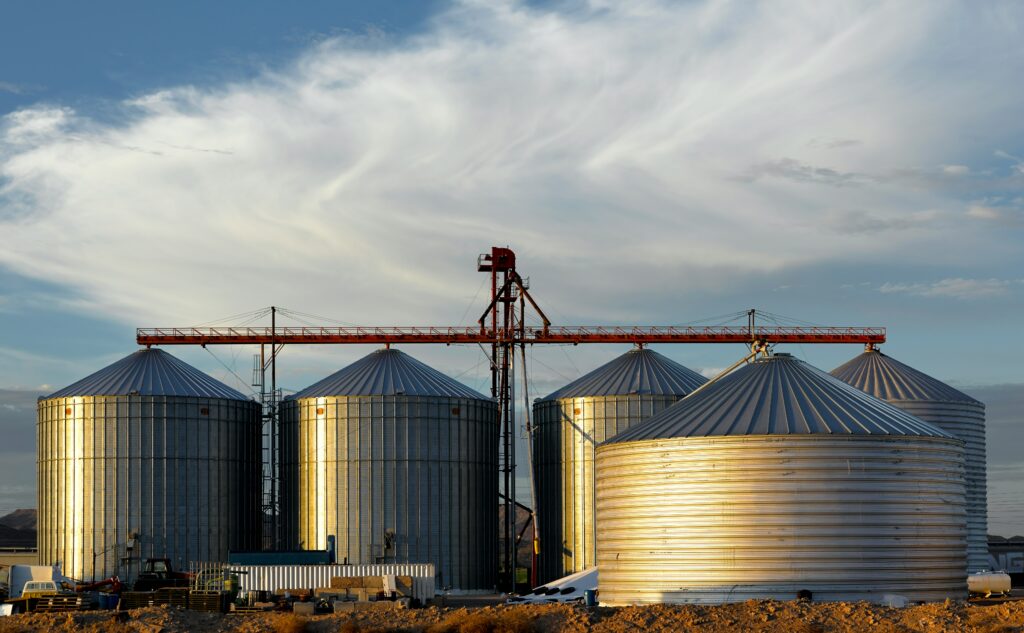
According to a landmark study published in 2019 by Dust Safety Science, food-grade dust is responsible for more than 40% of industrial explosions recorded worldwide. Behind this striking statistic lie major human tragedies, such as the explosion at the Imperial Sugar refinery in Port Wentworth, Georgia, USA, which resulted in 14 deaths and 36 injuries in February 2008. Yet, the ATEX risk associated with flours, sugars, starches, and milk powders remains largely underestimated by many industry players. The reason? These products, perfectly harmless in their usual form, become extremely dangerous when they are present as fine dust suspended in the air. From the flour mill silo to the dairy's spray-drying tower, and including the sugar factory's conveyors, environments that generate combustible fines are ubiquitous in the food industry. This article reviews the four major sectors most exposed, the significant accidents that have helped shape current regulations, the characteristic ATEX parameters of each product, as well as the good industrial practices to be implemented to secure the installations.
Table of Contents
Why is the agri-food sector particularly exposed to ATEX risk?
A sector on the front line in the face of dust explosions
The food processing industry occupies a unique place in the landscape of industrial risks. Handling very large quantities of powdered organic materials on a daily basis, it alone accounts for nearly half of the dust explosions recorded worldwide each year. This observation is significant: it reflects an industrial reality where the risk of explosive atmospheres (ATEX) is omnipresent, often invisible, and frequently minimized by operators.
For a dust explosion to occur, five conditions must be met simultaneously, forming what specialists call the explosion pentagon :
- The presence of a combustible substance in the form of dust (flour, sugar, starch, powdered milk, etc.)
- The presence of an oxidant, in this case oxygen from the air
- A source of ignition (spark, hot surface, static electricity, friction)
- is suspended in the air (concentration within the explosive range)
- Sufficient containment ( silo, pipeline, closed equipment)
Removing just one of these five elements is enough to prevent the explosion. However, in common agri-food processes, these five conditions are frequently found together: a flour storage silo, a milk drying tower or a sugar conveying screw naturally combine most of these risk factors.
The specific characteristics of agri-food powders
Powders from the food industry have several characteristics that explain their particular danger with regard to ATEX risk.
Their organic origin makes them combustible materials by nature. Unlike some completely inert mineral powders, agri-food products contain carbon, hydrogen and oxygen in varying proportions, but always sufficient to support rapid combustion in the presence of air.
Their particle size, often very fine, is a direct result of the industrial processes used: milling, grinding, atomization, and sieving. The finer the particles, the higher their specific surface area, and the faster and more violent the combustion. Ordinary wheat flour can therefore contain particles of just a few tens of micrometers, ideal for forming an explosive cloud.
Humidity also plays an ambivalent role. High humidity tends to reduce particle suspension and limit the risk of ignition. Conversely, an excessively dried product, or one stored in a dry atmosphere, sees its ATEX risk increase considerably. Seasonal variations and storage conditions can therefore significantly alter the hazard level of the same product .
Finally, the formulation and exact composition of the products strongly influence their behavior. Two flours that are chemically similar but produced using different processes or containing distinct additives can exhibit very different ATEX parameters. This variability fully justifies the need for specific analyses for each product and each process.
A particularly worrying point concerns the production of secondary fines. Even when a product is sold in the form of relatively large granules, the simple act of transporting, shaking, unloading, or rubbing it generates, through mechanical wear, a fraction of fines invisible to the naked eye but potentially explosive. This dynamic necessitates constant vigilance, even for products that might be mistakenly considered "safe."
These are significant accidents that serve as a reminder of what's at stake
Industrial history is punctuated by dramatic accidents that have left a lasting mark on the agri-food sector and continue to influence current regulations. Three emblematic cases alone illustrate the seriousness of the risk.
The Great Mill of Minneapolis disaster, which occurred on May 2, 1878, was the pivotal event in raising awareness of ATEX risks in the flour milling industry. The Washburn "A" mill, then the largest in the world, was completely destroyed by a flour dust explosion triggered by a spark from two millstones rubbing against each other. The toll was heavy: 14 workers inside were killed instantly, in addition to 4 victims in neighboring mills, for a total of 18 deaths. The event led to a profound overhaul of safety standards in the American milling industry and permanently illustrated the destructive potential of even a single grain of flour dust.
Theexplosion at the Imperial Sugar refinery in Port Wentworth, Georgia, on February 7, 2008, remains the most studied contemporary case study. An overheated conveyor bearing ignited a buildup of sugar in an enclosed conveyor beneath the storage silos. The shockwave suspended the thick layers of sugar accumulated throughout the plant (up to several centimeters thick in some places) and triggered a series of massive secondary explosions. The toll: 14 dead and 36 seriously injured, a refinery with over 80 years of operation reduced to ruins, and economic losses estimated at over $15 million. The Chemical Safety Board's investigation pointed to a failing safety culture : management had been aware of the risk since 1925 but tolerated chronic dust accumulations. OSHA will eventually impose a fine of more than $6 million, and the event will trigger the proposal for the Combustible Dust Explosion and Fire Prevention Act in the United States.
In France, the BARPI (Bureau for the Analysis of Industrial Risks and Pollution) regularly records similar accidents, although on a smaller scale. Three emblematic cases deserve mention:
- In 1998, in Sainte-Savine, a 30-ton polyester flour silo burst during pneumatic loading, propelling its dome some twenty meters. The clogged air intake system caused overpressure. There were no injuries, but considerable material damage.
- In another flour mill, an explosion occurred while a worker was welding an auger containing barely 300 kg of flour. The employee was seriously injured, several pieces of equipment were destroyed, and the material damage was estimated at €248,000. This is a typical case of a flawed hot work permit.
- In a flour packaging unit, an explosion occurred during the simple emptying of a 25 kg bag of gluten into a mixer. The operator was seriously injured.
These accidents share several common factors: inadequate maintenance and cleaning, uncontrolled dust accumulation, and a poorly controlled ignition source (welding spark, hot spot, static electricity). They illustrate how managing ATEX risks in the food industry relies as much on a safety culture as on the equipment itself.
Flour milling sector: the ATEX risk of flours and cereals
Flour milling is undoubtedly the sector most historically associated with ATEX risks. Since the Grand Moulin disaster in 1878, industry players have progressively integrated explosion risk management into their daily operations. However, despite considerable progress in prevention, accidents continue to occur regularly, demonstrating the persistence and complexity of the hazard. Understanding the specific characteristics of milling processes is essential for identifying critical points and implementing appropriate protective measures.
Processes and equipment that generate fines
The process of transforming cereal grains into flour or semolina inherently generates a significant amount of fine dust at every stage. A typical flour mill combines several unit operations, each with its own ATEX risk characteristics.
reception and storage constitute the primary risk zone. Storage silos, whether made of metal, concrete, or polyester, handle enormous volumes of grain accompanied by fine dust generated by the friction of the grains against each other and against the silo walls. Pneumatic loading and unloading operations significantly amplify the suspension of these fines. The 1998 accident in Sainte-Savine, where a 30-ton silo literally exploded during pneumatic loading due to a clogged suction system, illustrates the particular vulnerability of these facilities.
The milling process is the heart of the transformation. The passage of grains between the grinding rollers generates progressive fragmentation accompanied by heating and a massive release of fines. Modern mills incorporate ventilation and source capture systems, but the effectiveness of these devices depends heavily on their maintenance and sizing.
Sieving and particle size classification are carried out in plansifters and sieves where the particles are kept in constant motion. This equipment is a significant source of suspension and requires strict containment.
Pneumatic and mechanical transport between the different stages of the process is probably the most risky phase. Screw conveyors, bucket elevators, pneumatic conveyors, and redlers transport tens of tons of flour per hour through pipes where particles are constantly suspended. Bucket elevators, in particular, have historically been the cause of numerous accidents: their vertical confinement and the presence of bearings can transform simple overheating into a catastrophic explosion.
Finally, the packaging and bagging operations constitute the last area of risk. Simply emptying a bag into a mixer, as illustrated by the gluten accident reported by BARPI, can generate a cloud of dust sufficient to trigger an explosion in the presence of an ignition source.
ATEX parameters characteristic of flours
Cereal flours are among the powders that are well-characterized from an ATEX perspective, but this does not eliminate the need for specific analyses on each product. The indicative values below provide a typical order of magnitude.
Wheat flour , a key product of the mill, is classified as St 1 , with a Kst value ranging from 50 to 130 bar·m/s depending on the particle size and composition. Its auto-ignition temperature in a cloud is generally between 380 and 500 °C, while its minimum ignition energy (MIE) varies from 30 to over 100 millijoules. These values place flour in the category of moderately explosive powders, but its actual danger depends heavily on the conditions of use.
Gluten exhibits a particularly high sensitivity , as tragically illustrated by the packaging accident reported by BARPI. Its fine texture, rich protein composition, and ability to easily become suspended make it a product requiring very close monitoring. Its Kst can reach values close to the upper limit of class St 1.
Rye, oat, rice, and corn flours generally have similar characteristics to wheat flour, with variations depending on fat content and particle size. Puffed cereal fines or processed products may exhibit greater sensitivity due to their porous structure and low residual moisture.
A key point to remember: the value of an ATEX test is only valid for the specific product and batch tested. The natural variability of agricultural raw materials, process changes, and shifts in suppliers or cereal varieties can significantly alter the parameters. The most rigorous manufacturers implement periodic analysis programs to monitor the evolution of their powders over time.
Sector-specific best practices
ATEX risk prevention in flour milling is based on a set of good technical and organizational practices that have been structured over the decades, notably under the impetus of prevention organizations such as INRS, INERIS, or BARPI.
Dust capture at the source is the first line of defense. Rather than allowing fine particles to disperse throughout the workshop, modern installations incorporate extraction systems directly at the emission points: hoppers, crushers, sieves, and bagging machines. Bag filters, sized according to ATEX requirements, recover more than 99% of the particles while limiting concentrations in the ambient air.
grounding of equipment is essential to dissipate the electrostatic charges that inevitably accumulate during the transport of powders. Metal pipes, cyclones, filters, conductive big bags, and all components likely to accumulate charge must be connected to a grounding system whose resistance is regularly checked.
Hot working procedures ( welding, grinding, cutting) are one of the most frequent sources of accidents in flour mills, as illustrated by the accident reported by BARPI. The implementation of a rigorous hot work permit system , including prior preparation of the area, thorough cleaning, ventilation, and monitoring during and after the intervention, is essential. Any maintenance work on equipment containing or having contained flour must be considered a high-risk operation.
Cleaning programs are an often overlooked but crucial pillar of prevention. The investigation into the Imperial Sugar accident demonstrated that the primary cause of secondary explosions was the chronic accumulation of dust on structures, pipes, and high surfaces. Regular cleaning, using appropriate methods (vacuuming, avoiding compressed air which resuspends dust), and periodic visual audits help keep the plant below the critical threshold.
Inertinginjecting inert gas (nitrogen, CO₂) into high-risk equipment (crushers, dryers, filters) is an advanced but costly protective measure, generally reserved for particularly sensitive installations or products with very low EMI.
Finally, staff training and awareness are essential. A trained operator will recognize hazardous situations, report abnormal buildup, and adhere to cleaning and hot work procedures. A strong safety culture, as the Imperial Sugar accident tragically demonstrated, often makes the difference between a controlled incident and a disaster.
All of these best practices must be based on a precise characterization of the ATEX parameters of the products handled, carried out in the laboratory. Without this objective scientific basis, technical choices (sizing of vents, selection of ATEX equipment, definition of zones) rely on assumptions that can prove dangerously far removed from the reality of the process.
Are you looking for an analysis?
The sugar industry: an underestimated risk with dramatic consequences
While the flour milling industry has long integrated ATEX risk management into its operations, the sugar industry has long underestimated the danger of its own dust. The Imperial Sugar disaster in 2008 served as a stark reminder of this reality for sugar manufacturers and remains the most studied contemporary case study in ATEX risk prevention. Let's analyze in detail what this industry has taught us.
Sugar, a highly combustible dust
At first glance, granulated sugar, as we know it, doesn't seem particularly dangerous. This deeply ingrained perception, however, is misleading. In its fine powder form, sugar becomes a highly effective fuel, capable of generating explosions of terrifying force.
From an ATEX perspective, sugar is classified as St 1, with a Kst value between 100 and 150 bar·m/s depending on the particle size and type of sugar. Its auto-ignition temperature in a cloud is generally between 350 and 490 °C, and its minimum ignition energy is relatively low, between 30 and 50 millijoules for very fine sugars. These values make it a significantly more explosive powder than wheat flour, despite a common public perception to the contrary.
Several characteristics make sugar a dangerous substance in an industrial environment. Its ability to accumulate electrostatic charges during transport and transfer promotes the development of ignition sources. Its low hygroscopicity once crystallized limits the protective effect of humidity. Above all, its tendency to form thick, tenacious deposits on structures, beams, and elevated pipes creates dust reservoirs that can remain invisible for years before fueling a devastating secondary explosion.
Powdered sugar ( icing sugar) and specialty sugars (vanilla sugar, finely ground brown sugar) present increased risks due to their finer particle size, which lowers their MIC (microwaveable energy) and increases their susceptibility to suspension. These products require even more careful attention than standard granulated sugar.
A look back at Imperial Sugar: anatomy of a disaster
The explosion at the Imperial Sugar refinery in Port Wentworth, Georgia, on February 7, 2008, represents the most comprehensive case study of a dust explosion in the sugar industry. Its in-depth analysis by the U.S. Chemical Safety Board (CSB) provided valuable lessons that have influenced global ATEX prevention practices.
The sequence of events is now well documented. Around 7:00 p.m. that evening, the night shift began its workday at a factory that had been operating for over 80 years without a major accident. At 7:15 p.m., in an enclosed conveyor located beneath the granulated sugar storage silos, an overheated conveyor bearing ignited an accumulation of sugar dust. This relatively minor primary explosion generated a shock wave that instantly suspended the thick layers of sugar accumulated throughout the factory's structures. These new concentrations of dust then ignited, triggering a cascade ofsecondary explosions that spread throughout the building, destroying the west elevator tower, three silos, and the south bagging building.
The human and material toll was heavy: 14 workers lost their lives, and 36 others were seriously injured, many with severe burns. The factory was largely destroyed. Imperial Sugar estimated its losses at approximately $15.5 million, but the economic and social impact was far more widespread: the town of Port Wentworth, whose economy depended heavily on the refinery, suffered a prolonged economic downturn.
The CSB investigation highlighted several aggravating factors that still resonate today as a warning for the entire sector:
- An old but neglected awareness of the risk : Imperial Sugar's management had internal documents since 1925 explicitly mentioning the explosive nature of sugar at concentrations as low as 0.045 g/L. This information was included in the safety data sheets, but had not led to the implementation of rigorous dust control policies.
- Chronic accumulations were tolerated : investigators noted sugar deposits reaching several centimeters thick in some places, which the teams considered normal. This "normalization of deviance," typical of failing safety cultures, was identified as the major structural cause of the disaster.
- Inadequate security management : Imperial Sugar lacked a dedicated executive position for security; the security manager reported to a human resources director with no relevant experience. This lack of hierarchical authority hampered the seriousness with which recommendations were taken.
- Preventive audits ignored : an external audit carried out in 2007 had identified the risks and formulated recommendations which had not been fully implemented.
The penalties were commensurate with the violations. OSHA initially proposed an $8.7 million fine for 124 violations identified in Port Wentworth, to which 97 additional violations were subsequently discovered at the Gramercy plant in Louisiana. Imperial Sugar ultimately agreed in 2010 to pay over $6 million in penalties. Beyond the financial sanctions, the event triggered a major regulatory shift: the proposal of the Combustible Dust Explosion and Fire Prevention Act in the United States and a strengthening of awareness programs worldwide.
Best practices for sugar refineries and sugar factories
The lessons learned from Imperial Sugar and other accidents in the sugar industry have helped to structure a set of good practices specific to this sector, which complement the general principles of ATEX prevention.
monitoring of hot spots is a top priority. All bearings, bushings, motors, and transmissions exposed to or near sugar must be regularly monitored, ideally using infrared thermography. Early detection of overheating allows intervention before it reaches the critical ignition threshold for surrounding dust. Some modern installations now incorporate continuous temperature sensors on sensitive equipment, with automatic alarms if a threshold is exceeded.
Containing hazardous equipment is a central principle. Conveyors, elevators, and transfer systems must be designed to minimize dust leaks into the plant environment. When a leak is unavoidable, source capture systems must be installed directly at the point of emission. This "containment rather than dispersion" has proven effective in reducing secondary explosions, the primary factor in amplifying accidents.
Industrial cleaning programs must be rigorous, documented, and auditable. Contrary to popular belief, the use of compressed air for dust removal is strongly discouraged : it resuspends dust and creates conditions conducive to explosion. Recommended methods prioritize ATEX-certified industrial vacuuming , appropriate wet mopping, and regular inspection of hidden areas : beams, suspended ceilings, service ducts, and the tops of equipment, where the most dangerous deposits accumulate. Safety managers must schedule periodic visual audits to detect these accumulations, which are invisible from the floor.
Active explosion protection systems are the last line of defense when prevention has failed. They include, in particular:
- Explosion vents sized according to the Kst and Pmax parameters of the sugar allow the overpressure to be vented to a safe area.
- Explosion suppression systems that rapidly inject extinguishing agents (sodium carbonate, water spray) as soon as a pressure rise is detected
- Explosion isolation systems using quick-release valves or check valves prevent the spread of explosions between connected equipment.
- Anti-flame devices on pneumatic conveying lines
The sizing of these devices is based directly on the ATEX parameters characterized in the laboratory (Kst, Pmax, pressure rise rate). Without this objective data, the technical choices cannot be properly justified.
Finally, and perhaps most importantly, the key lesson from Imperial Sugar is that a strong safety culture is crucial. A factory can be equipped with the best technical systems, but if teams tolerate dust accumulation, ignore early warning signs, or circumvent procedures, the risk remains significant. Involvement from top management, the appointment of an independent safety officer, ongoing training for teams, and the implementation of a system for reporting and addressing early warning signs are integral to managing ATEX risks in the sugar industry.

Dairy industry: the critical issue of atomization towers
The dairy industry occupies a unique position in the landscape of ATEX risks in the agri-food sector. Unlike flour mills or sugar refineries, where powders are handled in their final form, the dairy industry produces its own powders from a liquid using a remarkable process: atomization. This technical specificity transforms drying towers into particularly sensitive risk zones, subject to strict ATEX regulations and requiring constant vigilance.
Atomization: an inherently risky process
Spray drying , sometimes called atomization , is the standard technique for the industrial production of powdered milk, whey powders, infant formula, and specialty dairy ingredients. Its principle is based on the rapid dehydration of a liquid sprayed into very fine droplets upon contact with a stream of hot air .
The process unfolds schematically in several successive stages. The milk, previously concentrated by evaporation to reduce its water content, is sprayed under high pressure inside a vertical cylindrical chamber (the atomizing tower) through a nozzle or a rotating turbine. Simultaneously, a stream of hot air, heated to temperatures between 180 and 220 °C, is introduced into the tower. Upon contact with the droplets, the water evaporates almost instantly, transforming the liquid into powder particles that fall to the bottom of the tower. The powder is then separated from the humid air, laden with fines, by a cyclone separator and a baghouse filter, which ensure a recovery rate close to 100%.
Several factors make atomization a process inherently exposed to ATEX risk:
- The massive generation of fines : by its very nature, atomization produces very small particles, typically between 10 and 200 micrometers. This fine particle size, ideal for food applications, is precisely the most unfavorable condition from the point of view of explosion risk.
- The permanent presence of a potential ignition source : hot air at 180-220 °C, although lower than the auto-ignition temperature of milk powders, can cause auto-heating in the event of product accumulation on hot walls or ventilation failure.
- Structural confinement : the atomization tower and its associated equipment (cyclones, filters, pipes) constitute a totally confined environment, an essential condition for combustion to turn into an explosion.
- The omnipresence of suspended dust : by design, the internal atmosphere of the tower permanently contains concentrations of dust in the explosive range.
It is precisely for these reasons that milk and other dairy ingredient drying towers are systematically subject to ATEX regulations. Their design, operation and maintenance must meet reinforced technical requirements, framed by European directives 1999/92/EC and 2014/34/EU.
ATEX parameters for powdered milk
From an ATEX point of view, powdered milk has characteristics that place it in a moderate to high risk category, with particularities that require specific vigilance.
Powdered milk is classified as St 1, with a Kst value ranging from 50 to 130 bar·m/s depending on the product type (whole milk, skimmed milk, whey) and particle size. Its auto-ignition temperature in a cloud is generally between 410 and 540 °C, and its minimum ignition energy ranges from 50 to 100 millijoules. These values, taken individually, may seem reassuring compared to other food powders. However, several characteristics of powdered milk require particular attention.
Fat content directly influences the ATEX behavior of the product. Whole milks , rich in fat (typically 26% for whole milk powder versus 1% for skimmed milk), exhibit increased combustibility and can reach higher Kst values. Whey powders and infant formulas enriched with vegetable fats may also exhibit specific behaviors requiring particular analysis.
The layer auto-ignition temperature (LAT) is the most critical parameter for spray-drying towers. When a thin film of powdered milk is deposited on a hot surface (tower wall, hot air duct, heat exchanger), it can begin to self-heat through slow oxidation. If the heat produced cannot be properly dissipated, the layer temperature gradually increases until it reaches a critical threshold, triggering ignition that can lead to a secondary explosion in the presence of airborne dust. This phenomenon, particularly insidious because it is silent and invisible, is the cause of numerous incidents documented by BARPI in industrial dairies.
A micro-explosion that occurred in 2018 in a milk powder drying tower at a French dairy, reported by BARPI, perfectly illustrates this risk. The event was contained thanks to the installation's automatic fire suppression system and caused no injuries, but resulted in significant material damage. This type of incident, relatively frequent in the industry, highlights the crucial importance of automatic protection systems in environments where the risk cannot be completely eliminated.
Specific points of vigilance for dairy manufacturers
The control of ATEX risk in atomization towers and their ancillary equipment relies on several areas of vigilance which must be prioritized.
maintenance of ventilation and filtration systems is the first critical area. Bag filters, which capture fine particles at the cooling tower outlet, are high-value safety equipment but also sensitive points. Gradual clogging, leaks, or bag ruptures can lead to a loss of capture and generate dangerous concentrations downstream. Regular cleaning through compressed air backwash cycles (which are themselves potentially dangerous if not properly controlled) and preventive bag replacement according to a defined schedule are essential.
Multi-level temperature monitoring allows for the detection of deviations before they become critical. The most rigorous manufacturers equip their cooling towers with thermal sensors placed at strategic points: hot air inlets, humid air outlets, internal walls, and transport ducts. Automatic alarm systems trigger process shutdowns if a threshold is exceeded, limiting the spread of an emerging incident.
Preventing product buildup on the tower's internal walls is an ongoing challenge. Smooth, polished walls, sometimes coated with non-stick materials, limit the adhesion of powdered milk. Clean-in-place (CIP) systems are systematically integrated to allow for regular cleaning cycles without disassembly. Periodic visual inspections during maintenance shutdowns verify the absence of abnormal deposits and identify areas at risk of self-heating.
Inertingof high-risk equipment is increasingly used in the dairy industry. The controlled injection ofnitrogen or other inert gases into grinders, cyclones, or pneumatic conveying zones reduces the oxygen concentration below the threshold required for combustion. This protective measure, although costly, is particularly well-suited to sensitive installations or products with low electromagnetic fields (EMF).
Explosion detection and suppression systems complete the setup. Modern atomization towers typically incorporate pressure and rapid temperature rise detectors , coupled with suppression devices that inject an extinguishing agent into the tower within milliseconds as soon as an incipient explosion is detected. Explosion vents, sized according to the product's ATEX parameters, allow residual overpressure to be vented to a safe area, limiting structural damage.
Finally, rigorous characterization of the products handled remains the scientific basis upon which all these systems rely. A dairy that changes its recipe, introduces a new ingredient, or modifies its drying parameters must absolutely have the new products characterized in a laboratory to verify that the existing safeguards remain appropriate. This process, sometimes perceived as restrictive, is in reality the guarantee of documented and defensible safety when faced with authorities, insurers, and customer audits.
Starch and processed cereals sector: a multifaceted risk
Often less publicized than flour milling or sugar production, the starch and processed cereal sector nevertheless presents a significant ATEX risk, characterized by a wide diversity of products with sometimes very different behaviors. Native and modified starches, puffed cereals, flakes, instant semolina, roasted malts: these are all products resulting from varied processes, which necessitate product-by-product characterization to properly assess the risk of explosion. This polymorphism is precisely the main difficulty facing manufacturers in the sector.
Wheat, corn, rice, and potato starches: the risk varies depending on the botanical origin
Starches constitute a vast family of products used in numerous industrial applications: food processing, papermaking, pharmaceuticals, cosmetics, adhesives. In terms of ATEX regulations, they are all classified as St 1, but their behavior varies considerably depending on their botanical origin and manufacturing process.
Corn starch is undoubtedly the most studied and widely used. Its Kst value is generally between 100 and 200 bar·m/s , placing it in the upper range of class St 1. Its auto-ignition temperature in a cloud is between 400 and 460 °C, and its minimum ignition energy varies from 30 to 100 millijoules depending on the fineness. These characteristics make it a highly explosive powder, comparable to cereal flours in terms of hazard.
Wheat starch has a similar profile, but with some particularities related to its structure and the potential presence of residual protein fractions (gluten). As we saw in the section on milling, gluten exhibits a high sensitivity to inflammatory mechanisms.
Rice starch , traditionally used in the food and cosmetics industries, can have a particularly fine particle size (often less than 10 micrometers), which increases its susceptibility to explosions. Its extreme fineness makes it a product that must be handled with extra care, especially in pneumatic conveying operations.
Potato starch , widely used in the food and paper industries, also exhibits characteristic ATEX behavior. Its granular structure and high capacity to become suspended in the air make it a product requiring appropriate preventative measures.
Modified starches ( oxidized, pregelatinized, cross-linked, etherified) resulting from physical or chemical treatments can exhibit ATEX parameters significantly different from those of native starches. Process modifications can alter particle size, residual moisture, volatile compound content, and therefore, behavior in the face of ignition risk. This variability fully justifies systematic characterization of each commercially available product.
Particularly risky operations in a starch factory include drying (often carried out by spray drying or fluidized bed drying, with the same issues as in the dairy industry), milling and sieving (generating massive amounts of fines), and final packaging (pneumatic transfer, bagging). Fluidized bed dryers , in particular, are high-risk equipment combining hot air, permanent particle suspension, and containment.
Puffed cereals, flakes and expanded products: a risk amplified by the process
Breakfast cereals and expanded products represent a dynamic segment of the food industry, but also an area particularly exposed to ATEX risks. Blow molding, expansion, and roasting processes generate products whose porous structure and low density increase their susceptibility to ignition and explosion phenomena.
Heat-extrusion blow molding involves heating the raw material to high temperature and pressure, then abruptly releasing this pressure to cause expansion. The fines produced by friction and fragmentation during these operations have particular characteristics: very low density, irregular particle size, high specific surface area, and often very low residual moisture content. All these factors contribute to an increased risk of ATEX (Area of Exposure to Textiles) hazards.
BARPI has documented several accidents in puffed cereal production units, including a particularly instructive case where a detonation occurred following the overheating of a bearing. This scenario, structurally very similar to that of Imperial Sugar, illustrates the transferability of accident mechanisms from one sector to another as soon as the conditions of the explosion pentagon are met.
Oat flakes, corn flakes, or other cereals , although seemingly dust-free, generate secondary fines through wear and friction during transport, bagging, and packaging. These fractions, invisible to the naked eye, can fuel an explosion if they are suddenly disturbed (product drop, unloading of big bags, rapid handling).
Malts used in brewing and baking also present specific risks, particularly roasted malts , whose dehydration further exacerbates the conditions favorable to ignition. Coffee, cocoa, nut, and seed roasters must also incorporate ATEX risks into their design, as the process combines hot spots, a dry atmosphere, and the generation of fines.
Essential product-by-product characterization
The main distinguishing feature of the starch and processed cereals sector lies in the considerable variability of the products handled. Unlike standard wheat flour or granulated sugar, whose characteristics are relatively well documented, products from this sector can exhibit very different ATEX parameters depending on numerous factors.
Botanical origin is the primary factor of variability. Corn starch does not behave exactly like potato or rice starch, even though all three are classified as St 1. Kst, TAI, or EMI values can vary by 30 to 50% depending on the origin, which is significant when sizing vents or protection systems.
The processing method also influences the final characteristics. Native starch obtained through wet processing does not have the same parameters as starch modified by physical or chemical treatment. A product milled to 50 micrometers behaves differently from the same product milled to 200 micrometers. Puffed cereal exhibits radically different combustibility from the raw material used to make it.
Storage and preservation conditions can affect residual moisture, a parameter that significantly influences ATEX behavior. A product stored in a dry atmosphere for several months may have an increased risk of ignition compared to a freshly packaged product.
Variations between batches and between suppliers should not be overlooked. Two seemingly identical batches of corn starch can exhibit significant differences due to plant variety, growing conditions, harvest season, or process adjustments. These variations, generally acceptable for food use, can impact ATEX performance.
Faced with this variability, a responsible approach is to implement a systematic characterization program for the products handled, integrated into the company's quality management system. In concrete terms, this involves:
- to characterize each new product introduced into the factory before its first production run,
- to periodically renew analyses on recurring products to monitor for any potential deviations,
- tosystematically analyze process modifications that could alter the characteristics of the powders,
- to document ATEX parameters in a database accessible to production, maintenance and safety teams.
This approach, sometimes perceived as an additional cost, is in reality a major safety investment. It forms the scientific basis upon which all technical decisions (sizing of protective measures, choice of equipment, definition of ATEX zones) and all regulatory justifications (DUERP, DRPCE, ICPE declarations) are based. Without this objective characterization, the operator risks inappropriate sizing, insufficient or oversized protective measures, and potential litigation in the event of an accident.
It is precisely to address these challenges that YesWeLab has structured an offer dedicated to the ATEX characterization of agri-food powders, as we will see in the following sections after summarizing the key parameters to know by sector.
GC-TCD: for industrial gases and biogas
chromatography coupled with thermal conductivity detection (GC-TCD) is a long-established technique, particularly well-suited to the analysis of permanent gases and simple volatile compounds. Its principle is based on measuring the change in thermal conductivity of the carrier gas induced by the passage of analytes. When a compound is eluted from the column, its thermal conductivity, which differs from that of the carrier gas (usually helium), alters the heat dissipation of a heated filament, generating a signal proportional to the concentration.
GC-TCD is distinguished by its ability to detect all compounds, including those that do not ionize upon combustion, such as water, nitrogen, oxygen, carbon dioxide, and noble gases. It is therefore an indispensable tool for characterizing industrial gases and quantifying the major constituents of gas mixtures.
The main applications of GC-TCD cover:
- Biogas analysis : quantification of methane (CH₄), carbon dioxide (CO₂), hydrogen sulfide (H₂S), oxygen (O₂), and nitrogen (N₂) in the gases produced by methanization. This analysis is essential for optimizing biogas production processes, ensuring the quality of gas injected into networks, and complying with the regulatory requirements for methanization plants.
- Natural gas analysis : characterization of natural gas composition, measurement of calorific value, quality control before injection into distribution networks.
- Industrial gases : control of pure gases (hydrogen, nitrogen, argon, oxygen) used in industry, metallurgy, or laboratory, with purity requirements of up to 99.9999% (six nines).
- Analysis of indoor air and work atmospheres : quantification of major constituents (O₂, N₂, CO₂, water vapor) in the context of air quality monitoring or workplace safety.
- Analysis of green hydrogen : in the emerging context of the energy transition, GC-TCD is used to control the purity of hydrogen produced by electrolysis, in accordance with the requirements of ISO 14687.
This diversity of applications demonstrates the essential complementarity of these chromatographic techniques with LC-MS and GC-MS. Each provides a specific solution to well-defined industrial problems, and it is their intelligent combination that allows laboratories to cover all modern analytical needs. The next step is to understand how to choose the most appropriate technique in a given situation: this will be the subject of the following section.

Comparative table of ATEX parameters by agri-food sector
To provide a concise overview of the ATEX parameters characteristic of each sector, the table below summarizes the main indicative values to be aware of. It is important to emphasize that these figures are orders of magnitude, provided for informational purposes only, and cannot in any way replace laboratory measurements carried out on the actual products of each manufacturer.
| Product | Class St | Kst (bar.m/s) | Pmax (bar) | TAI cloud (°C) | EMI (mJ) | Industrial Sensitive Points |
|---|---|---|---|---|---|---|
| Wheat flour | St 1 | 50 – 130 | 7 – 9 | 380 – 500 | 30 – 100 | Silos, pneumatic conveying, bucket elevators |
| Gluten | St 1 | 100 – 150 | 8 – 10 | 500 – 540 | 30 – 100 | Packaging, mixers |
| Granulated sugar | St 1 | 100 – 150 | 8 – 10 | 350 – 490 | 30 – 50 | Conveyors, storage, bagging |
| Icing sugar | St 1 | 130 – 180 | 8 – 10 | 350 – 410 | 14 – 30 | Crushing, pneumatic transfer |
| Powdered milk (whole) | St 1 | 90 – 130 | 8 – 9 | 410 – 480 | 50 – 100 | Atomizer tower, bag filters |
| Powdered (skimmed) milk | St 1 | 50 – 100 | 7 – 9 | 460 – 540 | 50 – 100 | Spraying tower, cyclones |
| Corn starch | St 1 | 100 – 200 | 8 – 10 | 400 – 460 | 30 – 100 | Dryers, bagging machines |
| Wheat starch | St 1 | 100 – 180 | 8 – 10 | 400 – 480 | 30 – 100 | Dryers, mixers |
| Rice starch | St 1 | 100 – 190 | 8 – 10 | 410 – 440 | 30 – 70 | Pneumatic transfer, bagging |
| Puffed cereals | St 1 | 80 – 150 | 7 – 9 | 400 – 500 | 30 – 100 | Blowing, bagging |
| Cocoa powder | St 1 | 50 – 100 | 7 – 9 | 420 – 500 | 100 – 200 | Grinding, mixing |
Sources: indicative data compiled from specialist literature (INRS, INERIS, Allianz Tech Talk Vol. 10) and international ATEX databases. Exact values depend on the product, particle size, moisture content, and manufacturing process.
Several lessons can be drawn from this table:
- All common food-grade powders are classified as St 1, which can falsely suggest a homogeneous risk. In reality, the Kst values between products can vary by a factor of 3 or 4, with direct consequences for the design of protective measures.
- The finest products (icing sugar, ground starches, secondary fines) systematically present more unfavorable parameters than their coarse equivalents, confirming the determining importance of particle size.
- Minimum ignition energies (MIE) are relatively low for most food powders (between 30 and 100 mJ), meaning that a simple electrostatic spark generated by pneumatic conveying or by an ungrounded operator can be enough to ignite them.
- The auto-ignition temperatures in the layer (not detailed in this table but crucial in practice) are often much lower than the TAI in the cloud and can go down to 200-250 °C for some powders, making them incompatible with many conventional industrial equipment without appropriate protection.
This table illustrates why an ATEX risk analysis approach in the agri-food sector can never be based on generic values: it requires rigorous characterization, product by product, under real operating conditions.
Assessing the ATEX risk in the agri-food sector: a 5-step approach
Beyond simply understanding the characteristic parameters of each powder family, the practical assessment of ATEX risk in a food processing facility requires a structured, scientifically sound, and legally regulated approach. This section presents the crucial role of laboratory testing, the applicable regulatory framework, and the standard methodology for a risk analysis.
The indispensable role of laboratory tests
ATEX parameters (Kst, Pmax, EMI, TAI cloud, TAI layer, CME) can only be reliably determined through standardized tests in a specialized laboratory. These tests, carried out on representative samples of the products handled, provide the objective data on which the entire prevention approach will be based.
For manufacturers wishing to delve deeper into the test methods and measured parameters, the technical details of the analyses (20-litre sphere, Godbert-Greenwald furnace, capacitive discharge device, etc.) are presented exhaustively in our dedicated article "Explosiveness and flammability tests of powders — ATEX", which usefully complements this sector-specific article.
Three principles guide the execution of ATEX tests:
- Testing the actual product : a test performed on a generic or theoretical sample has no predictive value. Only tests on products actually handled in the factory provide usable data. The representativeness of the sample (particle size, moisture content, storage conditions) is crucial.
- Consider variability : For manufacturers managing multiple batches, suppliers, or varieties, it is recommended to conduct periodic analysis campaigns to verify the stability of parameters over time. A drift in particle size or moisture content can cause a product to move from one class to another.
- Anticipate process changes : any significant change (new supplier, recipe change, new drying process, change of grinder) must be accompanied by a new characterization to verify that the protections in place remain suitable.
Regulatory framework applicable to the agri-food sector
The ATEX regulatory framework applicable to the agri-food industry is based on two complementary European directives, transposed into French law and into the national law of the Member States.
Directive 1999/92/EC, known as the "ATEX 137 Directive" or "Social Directive," concerns the protection of workersexposed to the risk of explosive atmospheres. It requires employers to conduct risk assessments, classify areas, implement technical and organizational measures, and prepare a document relating to protection against explosions (DRPCE). In France, this directive is transposed primarily through the Labor Code (articles R.4227-42 to R.4227-54).
Directive 2014/34/EU, known as the "ATEX 114 Directive" or "Equipment Directive," concerns the design and placing on the market of equipment intended for use in explosive atmospheres. It defines the equipment categories (category 1, 2, or 3) corresponding to the different zones, as well as the essential safety requirements that manufacturers must comply with.
The ATEX dust zoning defines three zones, applicable to agri-food installations:
- Zone 20 : an area where an explosive atmosphere in the form of a dust cloud is present continuously, for long periods, or frequently. This typically includes the interiors of silos, cyclones, baghouses, crushers, and spray towers.
- Zone 21 : an area in which an explosive atmosphere in the form of a cloud is likely to form occasionally during normal operation. This typically concerns the immediate vicinity of dust emission points (hopper openings, emptying stations, filter outlets).
- Zone 22 : an area where an explosive atmosphere is unlikely to form during normal operation and, if it does form, persists only briefly. This typically applies to production facilities where accidental leaks may occur.
Compliance with this zoning determines the choice of equipment installed in each zone, as well as the application of specific procedures (prohibitions, authorizations, monitoring).
In addition to these ATEX directives, other cross-cutting regulations apply to the agri-food sector:
- The Environmental Code and the ICPE (Installations Classées pour la Protection de l'Environnement) nomenclature, which impose specific obligations on agri-food installations (headings 2160 storage silos, 2260 grinding and milling, 1532 wood storage, etc.).
- Regulation (EC) No 178/2002 on food safety, whose traceability requirements may overlap with those of ATEX prevention (for example during incidents requiring a product recall).
- Insurance regulations ( FM Global, NFPA in the United States, European standards EN 14491 for explosion vents) often constitute a complementary framework imposed by industrial insurers.
YesWeLab: your partner for characterizing ATEX risk in the agri-food sector
Given the technical and regulatory complexity of ATEX risk assessment in the food industry, choosing a reliable analytical partner is a key factor for success. YesWeLab supports industry players in the comprehensive characterization of their powders and in defining the most appropriate prevention strategies for their processes. This approach combines industry expertise, access to specialized laboratories, and personalized support throughout the project.
Expertise dedicated to agri-food matrices
Food manufacturers face a considerable diversity of matrices: cereal flours, sugars, native and modified starches, milk powders, cocoa powders, puffed products, and compound ingredients. Each matrix has specific characteristics that require a tailored analytical approach, from sample preparation to results interpretation.
YesWeLab has developed specific expertise in agri-food matrices, based on in-depth knowledge of industrial processes (milling, atomization, blow molding, drying, grinding), the products handled, and their characteristic behavior in the face of ignition and explosion risks. This specialization allows us to direct each request to the most experienced partner laboratory for the matrix in question, guaranteeing reliable and actionable results.
YesWeLab's network of partner laboratories, accredited according to ISO 17025 standards , has the specialized equipment required to carry out all standardized ATEX tests: 20-litre explosion sphere for Kst, Pmax and CME measurements according to NF EN 14034-1, 2 and 3 standards, Godbert-Greenwald furnace for auto-ignition temperatures according to NF EN 50281-2-1 standard, capacitive discharge device for measuring minimum ignition energy according to NF EN 13821 standard.
Personalized support from framing to interpretation
The ATEX analysis of a food-grade powder is not simply a matter of conducting laboratory tests. To be fully effective, it must be part of a coherent approach, from defining the need to integrating the results into the company's prevention strategy. This is precisely the role that YesWeLab plays for its food-related clients.
The support process begins with a precise technical definition of the need. Which products need to be characterized? Which parameters should be measured as a priority? Which processes should be covered? Which representative batches should be selected? This scoping phase, often overlooked, is nevertheless crucial to the relevance of the entire approach. YesWeLab experts intervene upstream to guide the client toward the tests truly useful for their project, thus avoiding analyses that are either oversized or insufficient.
Once the tests are completed, interpreting the results is a critical step. A Kst value of 130 bar·m/s does not have the same meaning depending on whether it concerns a product confined in a spray tower or a product packaged in bags. An EMI of 30 millijoules requires radically different protective measures depending on whether the operator is wearing heat-dissipating footwear. YesWeLab assists its clients in contextualizing the results with real-world operating conditions and in defining the specific measures to be implemented.
This approach is particularly valuable in several critical contexts:
- During investment projects : preliminary characterization of powders to correctly size new installations
- During process modifications : analysis of the impact of a change of supplier, recipe, or equipment on ATEX parameters
- During regulatory compliance : creation of the DRPCE and the DUERP with objective and defensible data
- Duringclient or insurance audits : presentation of accredited, traceable results compliant with international standards
- Following an incident : a thorough analysis to identify the causes and define corrective actions.
A simplified process thanks to the YesWeLab digital platform
Organizing an ATEX testing campaign may seem complex at first glance: selecting laboratories, preparing representative samples, shipping, tracking, receiving, and interpreting reports. YesWeLab radically simplifies this process with its dedicated digital platform.
The client can directly identify relevant analyses in the online catalog, which includes over 10,000 analyses covering all industrial sectors. For specialized ATEX analyses, a preliminary consultation with experts allows for refining the scope and finalizing the quote.
Sample shipment is facilitated by a simplified protocol, with real-time tracking via the platform. This traceability is particularly valued for quality audits and certification processes.
The results are made available directly on the platform, with a clear and structured presentation of the measured parameters. For manufacturers managing multiple sites or product lines, this centralization represents a considerable time saving.
This digital pooling of resources allows food manufacturers to benefit from the best available analytical expertise, without having to deal with multiple contacts or manage the administrative complexities of multi-laboratory relationships. The client focuses on their core business; YesWeLab orchestrates the analytical complexity.
To gain a deeper understanding of the technical parameters measured in the laboratory, you can consult our article "Explosiveness and Flammability Tests of Powders — ATEX," which details the test methods (Kst, Pmax, EMI, TAI, class St) and the equipment used. This article complements the present content by providing the underlying technical foundation for the sector-specific approach.