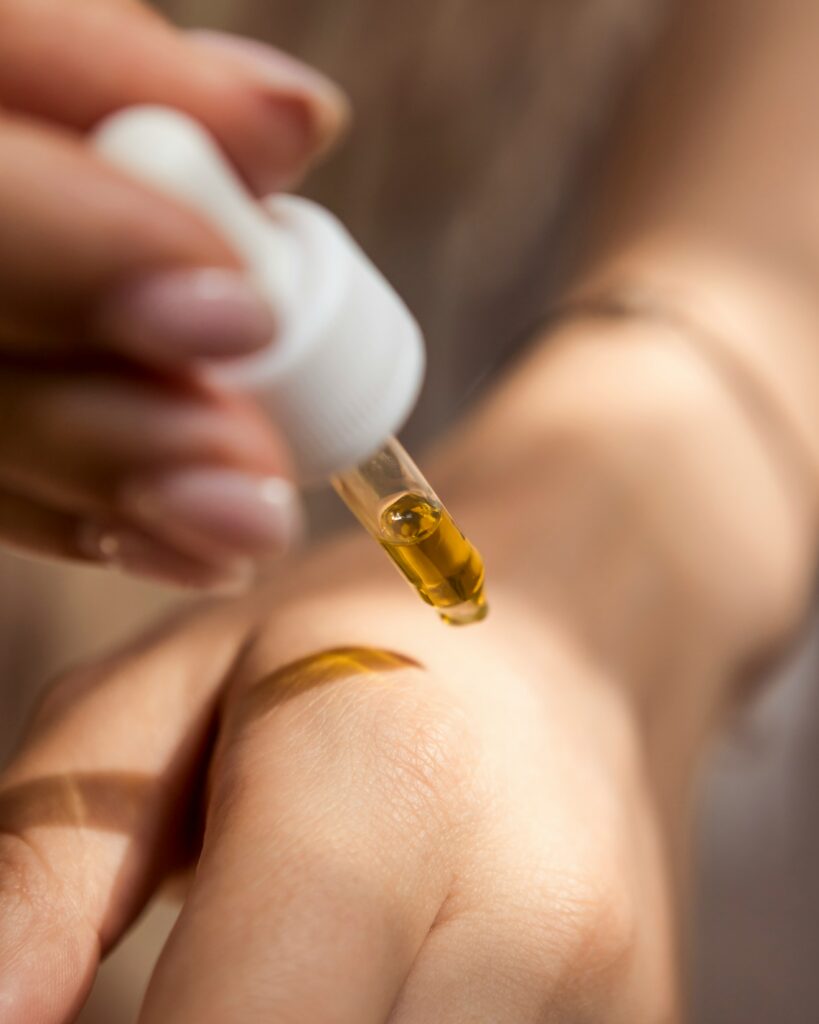
Tocopheryl acetate, also known as vitamin E acetate (CAS: 58-95-7), is a compound widely used in the cosmetics , dietary supplement, and food . Valued for its antioxidant properties and chemical stability, this vitamin E derivative is particularly effective in protecting cells against oxidative stress and contributing to skin and cell health. This article explores the characteristics of tocopheryl acetate, its main applications, and the laboratory analytical techniques used to ensure its safety and efficacy.
What is tocopherol acetate?
Definition and chemical structure of tocopherol acetate
Tocopheryl acetate is a synthetic ester obtained by reacting α-tocopherol, an active form of vitamin E, with acetic acid. This chemical modification transforms α-tocopherol into a more stable compound resistant to oxidation, thus extending its shelf life in industrial formulations. Tocopherol exists in several isomers—α, β, γ, and δ—each with distinct biological activity. Of these, α-tocopherol is considered the most biologically active and is therefore preferred in applications requiring potent antioxidant action. Its conversion to acetate stabilizes it while preserving its beneficial effects, particularly in products exposed to light or air.
Physicochemical properties: liposolubility and stability
Tocopheryl acetate, as the esterified form of vitamin E, is fat-soluble, meaning it dissolves in fats and oils. This property facilitates its incorporation into oil-based formulations, such as moisturizers and skin-conditioning oils. Furthermore, thanks to its modified chemical structure, tocopheryl acetate is particularly resistant to oxidation. Unlike free α-tocopherol, which can degrade when exposed to oxygen or light, tocopheryl acetate remains stable under various environmental conditions. This enhanced stability makes it a preferred ingredient in formulations requiring extended shelf life, thus ensuring consistent product efficacy.
The different forms of vitamin E and the specificity of tocopherol acetate
Vitamin E encompasses a group of eight distinct molecules: four tocopherols (α, β, γ, δ) and four tocotrienols. Each of these molecules possesses antioxidant properties and specific biological effects, but α-tocopherol remains the most commonly used form due to its high biological activity. In industry, tocopheryl acetate is often preferred for its stability and its ability to easily penetrate the skin without oxidizing. Once absorbed by living cells, some of the tocopheryl acetate is converted into free tocopherol, thus deploying its antioxidant effects directly at the cellular level. This process provides effective protection against free radicals, those unstable molecules that contribute to cellular aging and various health problems.
Role of tocopherol acetate: antioxidant and anti-inflammatory agent
Tocopheryl acetate is widely recognized for its antioxidant properties. By neutralizing free radicals, it protects skin cells and other organs from oxidative damage that accelerates aging and increases the risk of chronic diseases. Furthermore, tocopheryl acetate possesses anti-inflammatory properties that help soothe skin irritations, thus reducing signs of redness and swelling. Thanks to these properties, it is particularly valued in skincare and restorative products, where it promotes healing and helps maintain the integrity of the skin barrier. In dietary supplements, these antioxidant and anti-inflammatory effects provide valuable support to the immune system and help prevent the harmful effects of oxidative stress on overall health.
Main uses of tocopherol acetate
In cosmetic products: skin care and protection
Tocopheryl acetate is a widely used ingredient in cosmetic formulations, particularly in creams, lotions, oils, and serums. Thanks to its ability to penetrate the epidermis and act as an antioxidant, it protects skin cells against the harmful effects of free radicals. These free radicals are often generated by UV rays, pollution, or stress, and can cause cellular damage that leads to premature skin aging.
In addition to its antioxidant properties, tocopheryl acetate has restorative and hydrating effects. It helps maintain skin hydration by strengthening the lipid barrier, making it a valuable ingredient in products for dry or sensitive skin. Regular use in cosmetics can contribute to smoother, more supple, and visibly more radiant skin. While tocopheryl acetate is generally well-tolerated, it can occasionally cause skin irritation in some individuals, especially those with an allergy to vitamin E derivatives. However, such cases are rare, and this ingredient is widely considered safe for regular use.
In dietary supplements: antioxidant support and general health
Tocopheryl acetate is also a common ingredient in dietary supplements, particularly in the form of vitamin E capsules. Vitamin E is essential for protecting the body's cells from oxidative damage, thus strengthening cardiovascular health and helping to prevent chronic diseases related to oxidative stress. Furthermore, it plays an important role in supporting immune function and preventing certain types of inflammation.
Dietary supplements containing vitamin E acetate are particularly beneficial for people looking to boost their antioxidant intake, especially those following a low-fat diet or who have increased vitamin E requirements due to specific conditions, such as aging. However, regulations impose dosage limits to prevent the side effects of excessive vitamin E consumption, which can lead to digestive problems, nausea, and, in rare cases, blood clotting disorders. These dosages are therefore rigorously controlled to ensure consumer safety.
In agri-food products: food preservation and protection
Tocopheryl acetate is also used in the food industry for its antioxidant properties, which help preserve product quality. This vitamin E derivative is incorporated into certain vegetable oils, processed foods, and food preparations to prevent fat oxidation. This oxidation process, which can be accelerated by exposure to light or air, can lead to alterations in the taste, smell, and texture of food, as well as a reduction in its nutritional quality.
The use of tocopheryl acetate as a natural preservative extends the shelf life of food while meeting consumer expectations for food safety. Products where this ingredient is frequently used include vegetable oils, margarines, sauces, and some prepared meals. Tocopheryl acetate also complies with international food regulations, notably European Union Regulation (EC) No 1333/2008, which governs the use of additives in food. These regulations ensure that the addition of this antioxidant adheres to strict safety limits to guarantee consumer health.

Common quantification techniques
High-performance liquid chromatography (HPLC)
High-performance liquid chromatography, or HPLC, is one of the most commonly used techniques for quantifying tocopherol acetate in samples of cosmetics, dietary supplements, and food. This method relies on separating the compounds in a sample, allowing them to migrate at different rates under the influence of a high-pressure solvent flow through a specific column. Tocopherol acetate is thus separated from the other components and can be accurately measured.
HPLC offers several advantages for tocopherol acetate analysis: it allows for precise detection even at low concentrations and provides good repeatability of results. By using UV or fluorescent detectors, HPLC can directly quantify tocopherol acetate. These detectors are chosen based on the required sensitivity of the sample and the specific experimental conditions. In the case of cosmetic products, for example, HPLC with UV detection is often preferred for its speed and efficiency.
HPLC-MS/MS: Advanced analysis for increased accuracy
High-performance liquid chromatography, or HPLC, is one of the most commonly used techniques for quantifying tocopherol acetate in samples of cosmetics, dietary supplements, and food. This method relies on separating the compounds in a sample, allowing them to migrate at different rates under the influence of a high-pressure solvent flow through a specific column. Tocopherol acetate is thus separated from the other components and can be accurately measured.
HPLC offers several advantages for tocopherol acetate analysis: it allows for precise detection even at low concentrations and provides good repeatability of results. By using UV or fluorescent detectors, HPLC can directly quantify tocopherol acetate. These detectors are chosen based on the required sensitivity of the sample and the specific experimental conditions. In the case of cosmetic products, for example, HPLC with UV detection is often preferred for its speed and efficiency.
HPLC-MS/MS: Advanced analysis for increased accuracy
For analyses requiring even higher precision, such as those involving dietary supplements or pharmaceuticals, HPLC-MS/MS (high-performance liquid chromatography coupled with tandem mass spectrometry) is often used. This method combines the separation capabilities of HPLC with the highly sensitive detection of mass spectrometry, enabling the detection of ions produced by tocopherol acetate molecules.
Thanks to this technology, laboratories can not only quantify tocopherol acetate with remarkable precision, but also identify its various isomers. HPLC-MS/MS is particularly useful for quality control analyses, as it allows for confirmation of sample purity and detection of any potential contaminants. Furthermore, this method offers a very low limit of detection, ensuring product compliance with the strictest safety standards.
Regulations and standards for tocopherol acetate
Regulatory framework for cosmetics and food supplements
In the European Union, the use of tocopherol acetate in cosmetic products and food supplements is governed by several regulations designed to ensure the safety of products placed on the market. For cosmetic products, Regulation (EC) No 1223/2009 imposes strict requirements regarding formulation, labeling, and safety. This regulation stipulates that all ingredients, including antioxidants such as tocopherol acetate, must be assessed to ensure they do not pose risks to human health at the concentrations used.
In the case of food supplements, European Directive 2002/46/EC establishes maximum permitted levels for vitamins, including vitamin E. These limits aim to prevent adverse effects related to overdose, such as digestive problems or blood clotting complications. These regulations are based on the opinions of the European Food Safety Authority (EFSA), which regularly assesses nutrient requirements and safety levels for each component.
Quality certifications for laboratories: ISO 17025 and COFRAC
To meet the requirements of these regulations, tocopherol acetate analyses must be performed in certified laboratories, guaranteeing reliable methods and accurate results. ISO 17025 is one of the most recognized certifications in the field of laboratory analysis. It ensures that laboratories possess the necessary technical expertise to perform accurate tests and that they adhere to rigorous quality management procedures. This certification also allows laboratories to provide internationally valid results, ensuring mutual recognition between countries.
In France, COFRAC (French Accreditation Committee) accreditation is also required for certain laboratories that perform analyses of cosmetic and food products. COFRAC accreditation, compliant with the ISO 17025 standard, certifies that laboratories adhere to high standards of quality, traceability, and accuracy in their analyses. These certifications are essential for manufacturers wishing to guarantee the conformity of their products and meet regulatory and consumer expectations.
Specific restrictions: use in inhaled products
Tocopherol acetate has received particular attention in the field of inhaled products, especially following the outbreak of vaping-related lung injuries in the United States in 2019. Although no direct link has been confirmed, the use of tocopherol acetate in vaping products has been called into question due to its possible association with respiratory problems. In response, several public health agencies, including the Centers for Disease Control and Prevention (CDC) and the Food and Drug Administration (FDA), have recommended avoiding the use of this ingredient in products intended for inhalation.
These specific restrictions aim to prevent potential risks to respiratory health, even though tocopherol acetate remains safe when used in products applied to the skin or ingested as a dietary supplement. Health authorities continue to monitor research on tocopherol acetate in inhaled products and adjust recommendations based on new scientific findings.
Are you looking for an analysis?
Advantages and disadvantages of tocopherol acetate
Advantages of tocopherol acetate
Chemical stability and protection against oxidation
One of the main advantages of tocopheryl acetate is its chemical stability. Unlike free vitamin E, which can easily oxidize and lose its effectiveness, tocopheryl acetate remains stable in formulations for extended periods. This stability is crucial in cosmetic and food products, where shelf life is a key factor in product quality. By acting as an antioxidant, it protects other ingredients from oxidation, thus helping to maintain the efficacy and integrity of formulations.
Bioavailability and efficient absorption
Once applied to the skin or ingested, tocopheryl acetate readily penetrates cells where it is partially converted into free tocopherol. This conversion allows the molecule to exert its antioxidant effect directly at the cellular level, neutralizing free radicals and thus reducing oxidative stress. This high bioavailability makes it an effective ingredient for skincare products and dietary supplements, where rapid absorption is desired for optimal effects.
Safety of use in various products
Tocopheryl acetate is well tolerated by most users, with a low risk of adverse effects when used at recommended doses. This high tolerability explains its popularity in cosmetics and dietary supplements for daily use. The low incidence of allergic reactions, combined with its moisturizing and protective properties, makes it a preferred ingredient for products intended for sensitive or dry skin.
Disadvantages of tocopherol acetate
Risk of skin irritation and allergic reactions
Although tocopherol acetate is generally safe, cases of skin irritation or contact dermatitis can occur, particularly in people with sensitivity to vitamin E derivatives. These reactions are relatively rare, but they may limit its use for some consumers. For this reason, manufacturers often conduct dermatological tests to ensure the tolerability of the final product.
Controversies surrounding its use in vaping
Tocopherol acetate has been linked to public health concerns when used in inhaled products, such as vaping solutions. While research is ongoing to determine the exact role of this molecule in vaping-related lung injuries, several health agencies recommend avoiding its use in inhalation products. This controversy has prompted manufacturers to reconsider the use of tocopherol acetate in e-liquids and other vaping products.
Reduced effectiveness in some formulations
In certain applications, such as hair care products or highly aqueous formulations, tocopheryl acetate may exhibit reduced efficacy due to its lipid solubility. This property complicates its incorporation into water-based formulations, where emulsifiers may be required to stabilize the compound. While formulation techniques exist to overcome this obstacle, they often add extra steps and can increase production costs.

Alternatives to tocopherol acetate
Other forms of vitamin E: natural tocopherols and tocotrienols
Natural tocopherols
Natural tocopherols, extracted primarily from plant sources such as sunflower, soybean, and palm oils, are a common alternative to tocopherol acetate. They come in several isomers, including α-, β-, γ-, and δ-tocopherol, each with varying antioxidant properties and efficacy. Although their stability is generally lower than that of tocopherol acetate, natural tocopherols are often preferred in products where a "natural" label is desired. Furthermore, some consumers perceive natural tocopherols as being more bioavailable and better tolerated than their synthetic counterparts.
Tocotrienols: a lesser-known but promising form of vitamin E
Tocotrienols, while also belonging to the vitamin E family, differ from tocopherols in their chemical structure and biological effects. They are found in smaller quantities in nature, primarily in palm oil, rice, and the seeds of tropical plants. Research suggests that tocotrienols possess more potent antioxidant activity than conventional tocopherols, as well as a greater ability to protect cells from oxidative damage. Furthermore, tocotrienols may have additional beneficial effects, such as anti-inflammatory and neuroprotective properties, making them a promising alternative for dietary supplements and anti-aging formulations.
Other antioxidants for cosmetic and food applications
Ascorbic acid (vitamin C)
Ascorbic acid, or vitamin C, is a water-soluble antioxidant that can complement or replace tocopheryl acetate in some products. It is particularly valued in skincare for its effectiveness in brightening skin tone and stimulating collagen production, in addition to its antioxidant properties. However, ascorbic acid is less stable than tocopheryl acetate and can be difficult to incorporate into formulations exposed to light or air. To overcome this problem, stabilized derivatives of vitamin C, such as magnesium ascorbyl phosphate, are often used in cosmetic formulations.
Plant-derived polyphenols
Polyphenols, natural antioxidants found in plants such as green tea, grapes, and rosemary, are increasingly popular in cosmetic and food products. They possess powerful antioxidant properties and offer broad protection against free radicals. Their benefits include reducing signs of skin aging, protecting against UV rays, and improving the stability of food formulations. Polyphenols are often used in conjunction with tocopherols or vitamin C to enhance a product's antioxidant efficacy, while also adding a natural touch to the formulation.
Innovations and new research on antioxidants
Antioxidant nanoparticles
Advances in nanotechnology have led to the development of antioxidant nanoparticles, which offer improved skin penetration and prolonged protection. By encapsulating antioxidants such as tocopherol or ascorbic acid in nanoparticles, researchers are able to enhance their stability and effectiveness in cosmetic products. While these technologies are still under development, they open up new possibilities for formulating high-performance products, particularly in anti-aging skincare and dietary supplements.
Antioxidants derived from algae and microorganisms
Certain species of algae and microorganisms produce unique antioxidants, such as astaxanthin and glutathione, which are distinguished by their effectiveness and stability. Astaxanthin, for example, is a potent red pigment with recognized antioxidant properties, often extracted from microalgae. These marine or microbial antioxidants are considered sustainable and innovative options for natural formulations, meeting the growing consumer demand for products made with ecologically sourced ingredients.