
Rancimat is an accelerated analytical method for measuring the oxidation stability of fats and oils. It involves exposing a lipid sample to a high temperature under a constant airflow to assess its resistance to oxidation, a phenomenon responsible for rancidity, loss of sensory quality, and reduced product shelf life. Oxidation stability is a crucial criterion for ensuring the quality of lipid products throughout their lifecycle. Simple, reproducible, and standardized, this technique is widely used in the cosmetics, food, and nutraceutical industries to predict the behavior of fats over time.
Table of Contents
Introduction
An essential test for fats and oils
The Rancimat test is a physicochemical analytical used to measure the oxidative stability of fats and oils, that is, their resistance to oxidation when exposed to heat and air. This property is crucial in many industrial sectors, particularly in food processing, nutrition, cosmetics, and nutraceuticals. Oils, butters, margarines, and even lipid-rich plant extracts can have their quality, safety, and shelf life compromised by oxidation.
Lipid oxidation leads to the formation of volatile compounds and byproducts such as aldehydes and short-chain fatty acids. These substances can degrade the texture, odor, flavor, and nutritional qualities of the product. In some cases, they can even generate toxic compounds. Therefore, it is essential for manufacturers to have a reliable tool to assess the stability of their fats.
A recognized and standardized reference method
The Rancimat test is now internationally recognized, notably thanks to the European standard EN 14112 , which defines the analytical conditions for this type of measurement. It is used for both quality control and research and development, particularly in the formulation of highly stable products or those enriched with antioxidants.
This method is based on a simple principle: subjecting the sample to a flow of hot air and measuring the time required for secondary oxidation products to appear. This time is called the induction time , and it provides a clear indicator of the oxidative stability of an oil or fat. The longer the induction time, the more resistant the product is to oxidation.
A strategic issue for quality and compliance
Beyond simple measurement, the Rancimat test is part of a broader approach to product quality control. It allows for the anticipation of rancidity, the comparison of several formulations, the evaluation of the effectiveness of different antioxidants, and the validation of claims such as "rich in omega 3" or "long shelf life".
What is the Rancimat test?
A method of accelerated aging
The Rancimat test, also known as the Oxidation Stability Index ), is an accelerated aging method designed to measure the resistance of fats and oils to oxidation. This technique is based on a simple principle: by artificially increasing the temperature and circulating an airflow through a lipid sample, accelerated oxidation is induced. The goal is to predict the behavior of a fat over time, without having to wait several months for storage at room temperature.
The test therefore allows for a reliable estimation of a product's oxidative stability, and thus its shelf life. It is a valuable tool for food manufacturers, cosmetic product formulators, and animal nutrition laboratories alike.
A precise indicator: induction time
The key parameter obtained with the Rancimat test is the induction time. This is the point at which secondary oxidation products begin to appear in significant amounts. These compounds (aldehydes, ketones, volatile acids) result from the degradation of peroxides formed during the oxidation of unsaturated fatty acids. A laboratory analysis of the peroxide value allows for the quantification of these compounds in the initial oxidation phase.
The test measures this time indirectly: when volatile compounds reach a deionized water solution at the system's outlet, they alter its electrical conductivity. This change is continuously recorded by the device, and the software determines the breakpoint in the curve, corresponding to the acceleration of oxidation. This time is expressed in hours, and it is longer the more resistant the product is to oxidation.
A modern alternative to traditional methods
Before the advent of the Rancimat test, the oxidative stability of fats was generally assessed using lengthy and difficult-to-automate methods, such as the Schaal method or room-temperature storage tests. These techniques, while useful, required several weeks, or even months, to obtain usable results.
The Rancimat test, on the other hand, provides accurate data in less than 24 hours, sometimes in just a few hours. It also offers significantly higher reproducibility than traditional methods, making it an ideal tool for quality control and comparing batches or formulations.
A complementary method within a comprehensive approach
The Rancimat test does not completely replace other oxidation analyses, but it is part of a comprehensive analytical approach . It is often used in conjunction with the peroxide value , anisidine value , or Total Oxidation Value (TotOx ), which provide additional information on the primary or secondary oxidation state of a sample. Rancimat, on the other hand, offers a dynamic view of product stability by simulating its behavior over time.
Are you looking for an analysis?
Rancimat test operating principle
A flow of hot air to accelerate oxidation
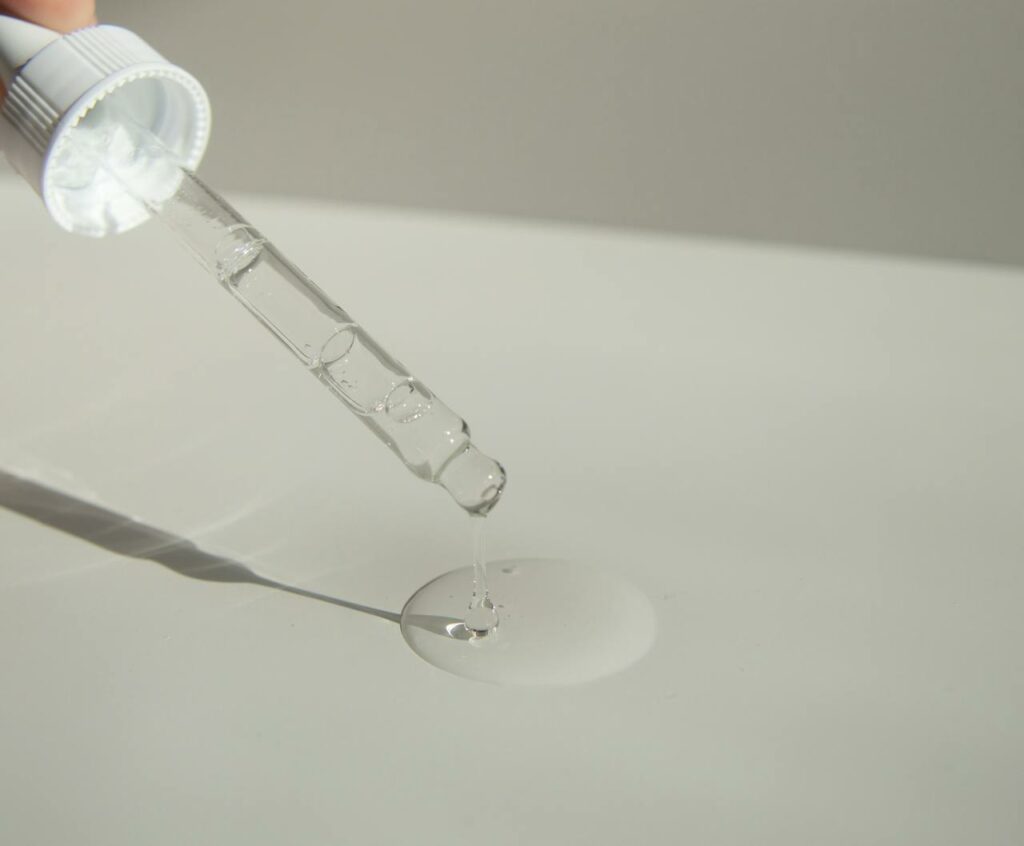
The Rancimat test is based on a chemical oxidation reaction, amplified by heat and oxygen. In the reaction cell, a lipid sample is subjected to a constant temperature, typically 110 °C. Simultaneously, a stream of dry air is injected through the sample at a controlled rate, creating conditions for accelerated oxidation.
Under the influence of this temperature/air combination, the unsaturated fatty acids in the sample begin to oxidize. This reaction initially produces peroxides, then more unstable secondary compounds such as aldehydes, ketones, or short-chain fatty acids.
Collection and detection of volatile compounds
Since the secondary oxidation products are largely volatile, they are carried by the airflow to a second compartment containing deionized water. These compounds, upon dissolving in the water, alter its electrical conductivity. It is this change in conductivity that is continuously recorded by the instrument throughout the test.
At the beginning of the test, as long as the sample is stable, the conductivity curve remains flat. Then, at a certain point, volatile compounds form in sufficient quantity to cause a rapid increase in the solution's conductivity. This abrupt inflection point corresponds to the induction time , that is, the point at which the oxidative stability of the product begins to degrade significantly.
A reproducible and automated measurement
One of the major advantages of the Rancimat test lies in its ease of execution and the reproducibility of its results. The system is fully automated: once the test conditions are defined (temperature, airflow, sample volume), the analysis can be started without manual intervention. The software integrated into the device automatically plots the conductivity curve and calculates the induction time according to criteria defined by the EN 14112 standard.
This automation reduces operator bias and makes comparisons between different samples much more reliable. This makes the Rancimat test a particularly suitable tool for screening formulations, validating production batches, or evaluating the effectiveness of an antioxidant added to an oil.
A test applicable to different types of matrices
The Rancimat test can be performed on liquid products (oils, melted butters) and, under certain conditions, on solid matrices. When the sample cannot be directly analyzed in its native form, a preliminary extraction of the fat is carried out, often using a solvent such as petroleum ether. This step allows the lipid fraction to be recovered for testing.
Analytical and technical details of the test
A standardized method: EN 14112
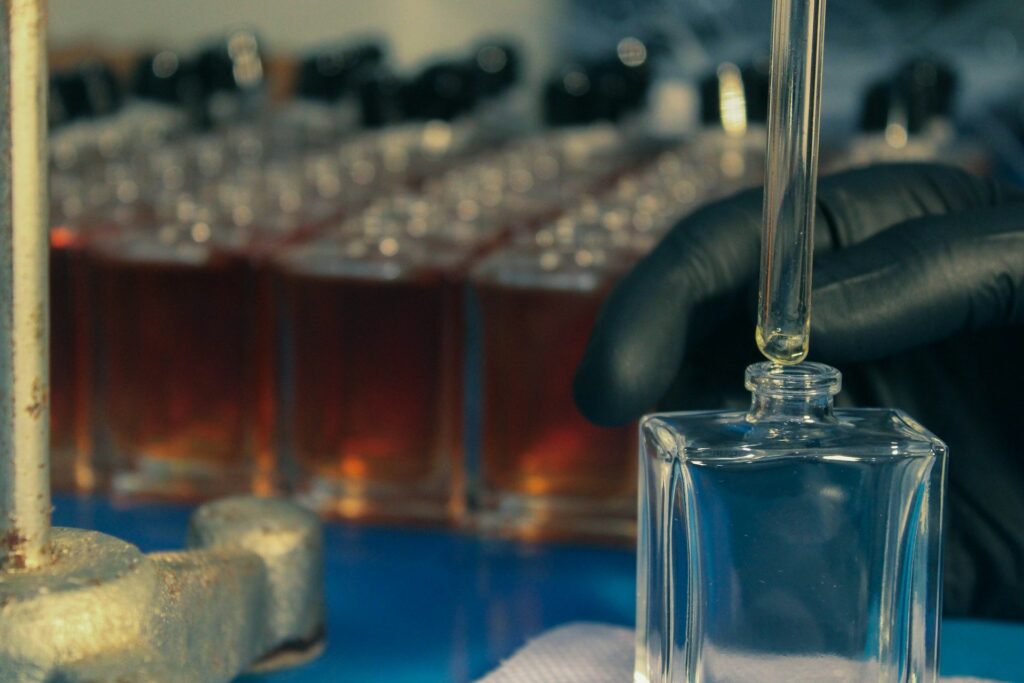
The Rancimat test is governed by the European standard EN 14112 , which defines the experimental conditions to be met to obtain reliable and comparable results. This standard is notably used for the analysis of biofuels and edible vegetable oils. It specifies a test temperature of 110 °C , an air flow rate of 20 L/h , and a standardized sample volume depending on the nature of the product.
Adherence to this standard ensures that the measured induction times are reproducible, comparable from one laboratory to another, and usable for compliance or formulation optimization purposes.
Accepted sample types and preparation
The Rancimat test can be applied to a wide variety of lipid matrices . The most common samples are:
- Crude or refined vegetable oils (sunflower, rapeseed, olive, palm, etc.)
- Melted margarines and butters
- Nutraceutical ingredients based on omega-3
- Lipid extracts derived from plants or algae
- Cosmetic products containing oils
When the products are solid or complex (such as a paste or a lipid-enriched powder), prior extraction of the oil phase is necessary. This is generally done by cold extraction with a nonpolar solvent, such as petroleum ether. The resulting extract is then analyzed as is.
Samples must be packaged in airtight, inert containers to prevent premature oxidation. Transport and temperature-controlled storage may also be required, depending on the sensitivity of the products being analyzed.
Detection of volatile compounds and induction time
The measurement is based on the change in conductivity of an aqueous solution (deionized water) placed in a detection cell. Volatile compounds generated by the oxidation of the fat migrate under the influence of the airflow and dissolve in the water, leading to an increase in its conductivity.
The device's software plots the conductivity curve in real time. The induction time is defined as the inflection point of this curve, where the slope sharply increases. This point marks the end of the sample's oxidative stability period.
The longer this time, the more resistant the product is considered to be to oxidation . This parameter is often used as a selection criterion in the formulation of long-life food or cosmetic products.
Example of an analytical presentation
To ensure the accuracy of the service, laboratories can present the Rancimat analysis in the following format:
The test: Oxidative stability index (Rancimat) at 110 °C is performed according to standard EN 14112. The sample is taken in a sealed, inert container. The measurement is based on the detection of volatile oxidation products transported in an aqueous solution, the conductivity of which is continuously recorded. The induction time characterizes the oxidative stability of the tested fat.
This standardized presentation allows for optimal traceability , essential for manufacturers subject to quality, safety and regulatory compliance requirements.
The Rancimat test, with its technical precision and proven protocol, is an essential analytical tool in any quality control or product improvement process.
Parameters influencing Rancimat test results
Fatty acid profile: a determining factor
The fatty acid composition of a lipid product is one of the major factors influencing its oxidative stability. Saturated fatty acids (SFAs) are structurally more stable to oxidation because they lack double bonds. Conversely, polyunsaturated fatty acids (PUFAs) , rich in double bonds, are much more susceptible to oxygen attack.
A product containing a high proportion of PUFAs (such as linoleic acid C18:2 or linolenic acid C18:3) will generally have a shorter induction time . Conversely, fats rich in saturated fatty acids (such as palmitic acid C16:0 or stearic acid C18:0) are more stable over time. Monounsaturated fatty acids (MUFAs) , such as oleic acid (C18:1), offer a good compromise between stability and nutritional value.
Thus, a simple change in the saturated fatty acid/polyunsaturated fatty acid ratio can significantly alter the results of a Rancimat test. This is why fatty acid profile analysis, often performed in parallel by gas chromatography-FID (GC-FID), is essential to explain the observed variations.
The presence of natural or added antioxidants
Antioxidants are molecules capable of inhibiting or slowing down lipid oxidation. They can be naturally present in vegetable oils (vitamin E, tocopherols, phenolic compounds), or added during formulation (BHA, BHT, ascorbates, rosemary extracts).
The Rancimat test is often used to evaluate the effectiveness of an antioxidant added to an oil or lipid ingredient. By comparing induction times with and without the addition, it is possible to demonstrate the protective effect of the tested compound. The dose, chemical nature, and synergy between several antioxidants all play a role in the final performance.
nutraceutical sector , where the stability of omega-3 is a critical issue, but also in the food industry to extend the shelf life of products based on sensitive oils.
The transformation or formulation process
Heat treatment , refining , partial hydrogenation , and interesterification of oils can profoundly alter their oxidation behavior. For example, a refined oil will have lost some of its natural antioxidants, which can shorten its induction time.
Similarly, certain technological combinations, such as blending hydrogenated oils rich in stearic acid with liquid oils, allow for adjustments to both the texture and stability of the final product. These formulation choices directly influence the results obtained in the Rancimat test.
The physical structure of the product (liquid, semi-solid, microencapsulated) can also influence exposure to air and therefore the rate of oxidation.
The complexity of the lipid matrix
Not all samples are equally susceptible to oxidation. Complex food products , such as margarines, ready-to-use preparations, or fortified powders, contain multi-component matrices where lipids interact with proteins, sugars, or emulsifiers.
These interactions can either accelerate oxidation (presence of trace metals, pro-oxidants) or, conversely, slow (protective effect of certain proteins or structural agents). In these cases, the reproducibility of the test depends largely on the quality of the lipid phase extraction prior to analysis.
This is why laboratory experience and strict adherence to preparation protocols play a key role in the reliability of measurements.
The value of the Rancimat test in industry
In the agri-food sector: ensuring the shelf life of lipid products
In the food industry, the Rancimat test is widely used to assess the oxidative stability of oils, margarines, butters, and fats incorporated into processed products. It determines a product's ability to resist rancidity during storage, a crucial criterion for organoleptic quality and microbiological safety.
It is particularly useful when developing new recipes , for example, to compare the stability of different vegetable oils or to test the effectiveness of antioxidant combinations. Rancimat is also used routinely in quality control of production batches to ensure compliance with internal or regulatory specifications .
Manufacturers also use it to justify claims such as “rich in omega-3” or “extended shelf life”, provided that the results are correlated with other complementary analyses such as the peroxide value or sensory analysis.
In nutraceuticals: evaluating the stability of essential fatty acids
Dietary supplements made with marine or vegetable oils rich in omega-3 fatty acids (EPA, DHA, ALA) are particularly susceptible to oxidation. These polyunsaturated fatty acids are highly unstable, which can affect their nutritional efficacy, safety, and taste.
The Rancimat test is used to select raw materials , but also to evaluate the effectiveness of microencapsulation processes , the addition of natural antioxidants, or formulation. It plays a crucial role in validating the stability of finished products throughout their shelf life.
In this sector, Rancimat is often coupled with advanced analytical techniques such as GC-FID for fatty acid profiling, or spectrometry for the detection of secondary oxidation products.
In cosmetics: controlling the stability of the oil phases
In cosmetic formulations, the oily phase (vegetable oils, synthetic esters, butters, waxes) can oxidize and alter the properties of the finished product. Rancidity can lead to a change in texture, a loss of effectiveness of oil-soluble active ingredients, and even the appearance of unpleasant odors.
The Rancimat test allows formulators to select the most stable raw materials , verify compatibility with antioxidants, and validate the stability of their products under thermal stress. It is also useful for comparing the performance of different oils (argan, jojoba, macadamia, sunflower, etc.) or for testing innovative materials derived from green chemistry.
Oxidative stability is particularly critical in products exposed to air and light, such as skincare oils, balms, or jarred creams.
In animal and plant nutrition: ensuring adequate lipid intake
In the animal nutrition sector , vegetable oils and animal fats used in livestock feed must exhibit good oxidative stability to prevent spoilage during transport or storage. Oxidation can reduce the energy value of feed, affect animal growth, and harm their health.
The Rancimat test allows for quality control of oil batches, prevents claims related to spoiled products , and optimizes the formulation of fortified foods. It is also used in pet products, particularly for kibble and supplemental oils.
In the plant sector, oilseed extracts and lipid-enriched powders are also affected. The Rancimat test is used to evaluate the stability of lipid botanical extracts (e.g., essential oils, supercritical CO₂ extracts) and optimize their preservation.

Interpreting the results: how to read the induction time
Induction time: a marker of stability
The induction time, or OSI ( Oxidation Stability Index ), is the time measured between the start of the analysis and the sudden appearance of oxidation byproducts. It is expressed in hours and is a direct indicator of the oxidation resistance of the sample tested.
The longer this time, the more stable the product. Conversely, a short induction time means that the sample is rapidly oxidized by heat and air. This time should not be confused with actual shelf life, but it allows for objective comparisons between different formulations or batches.
For example, a conventional virgin sunflower oil may have an induction time of approximately 5 to 7 hours, while a refined palm oil may take up to 15 to 20 hours, depending on its quality and antioxidant content.
Influence of fatty acid profile
The induction time reading should always be correlated with the fatty acid profile of the sample. An oil rich in linoleic acid (C18:2) or linolenic acid (C18:3) will naturally exhibit a shorter induction time, unless it contains potent antioxidants.
Thus, flaxseed or fish oil, very rich in omega-3, can have an induction time of less than 2 hours. On the other hand, virgin olive oil, rich in oleic acid (C18:1), will offer average stability (10 to 12 hours), while coconut or palm oil, mostly saturated, can exceed 20 hours.
Knowledge of lipid composition therefore makes it possible to partially predict oxidative stability , but the Rancimat test remains essential to confirm it experimentally.
Examples of industrial interpretation
Let's consider the case of a comparative study of commercial margarines. Five samples (MB1 to MB5) are analyzed by Rancimat at 110 °C:
- MB1 exhibits an induction time of 43.86 hours, indicating very high stability. This result is explained by a formulation rich in saturated fatty acids and antioxidants.
- MB2, richer in polyunsaturated fatty acids, shows an induction time of 16.17 hours.
- MB3, MB4 and MB5 display values of 15.16 h, 17.45 h and 23.49 h respectively.
These results should be considered in light of ISO 6886 , which recommends induction times of between 6 and 24 hours for standard margarines. Beyond this range, the product can be considered particularly stable. Below this range, reformulation may be necessary to ensure better preservation.
Use for development and compliance
research and development phases , as it allows for the optimization of a formulation by testing different fats, antioxidant dosages, or manufacturing processes. It is also used in quality control to ensure that produced batches meet the stability thresholds defined by the specifications.
In some cases, induction time may be required as part of quality standards or sectoral norms , particularly for oils for industrial use or products intended for export.
Finally, the results can support marketing claims such as “stable formulation” or “rich in protected essential fatty acids”, provided they are validated by additional data.

Comparison of the Rancimat test with other oxidation indicators
Classical indicators of lipid oxidation
Several chemical analyses can be used to monitor the oxidation process of fats and oils. The most commonly used in laboratories are:
- The peroxide value (PV) : This measures the amount of peroxides formed in the primary oxidation phase. It is an indicator of the initiation of lipid oxidation. The higher its value, the more the product is in the degradation phase.
- The anisidine index (AI) : It quantifies the secondary aldehydes formed during the decomposition of peroxides. It therefore reflects an already advanced oxidation process.
- The TotOx index : It is calculated using the formula TotOx = (2 × IP) + IA. This overall parameter combines the two main stages of oxidation (primary and secondary) and provides a more complete picture of the product's condition.
These three indicators are often required in the specifications for edible fats and allow a static assessment of the oxidation state at the time of analysis.
The specifics of the Rancimat test
Unlike conventional chemical methods, the Rancimat test does not directly measure the concentration of oxidized compounds. Instead, it simulates the dynamic behavior of the sample under accelerated conditions of temperature and oxygenation.
The goal is not to determine if a product is already oxidized, but to predict how long it will resist oxidation . This makes it a valuable tool for formulation studies, ingredient selection, and shelf-life validation.
Another advantage: Rancimat does not require the use of organic solvents or chemical reagents, which simplifies its implementation and reduces risks for the operator. It also provides automated results that can be interpreted immediately.
Complementarity between methods
The Rancimat test and chemical indices are not mutually exclusive; on the contrary, they complement each other. Used together, they offer a comprehensive and multidimensional reading of oxidation :
- Rancimat measures predictive stability .
- The peroxide index assesses the initial state of degradation .
- The anisidine index measures the progress of secondary oxidation .
- The TotOx index gives an overall picture of the level of alteration .
This complementarity is particularly useful in demanding industries (food, infants, nutraceuticals, cosmetics), where it is imperative to validate quality at each stage of the product life cycle .
Towards integrated analytical approaches
More and more laboratories are offering analytical packages combining several of these methods , to provide manufacturers with a comprehensive and reliable view of the stability of their lipid products.
This integrated approach is recommended for quality assurance processes, certification, or the filing of nutritional claims. It helps to secure the formulation , prevent defects , and guarantee a shelf life that meets market expectations .
Advantages and limitations of the Rancimat method
The advantages of the Rancimat method
The Rancimat test offers many advantages which explain its adoption by a large number of laboratories and manufacturers worldwide.
- Rapid method : The analysis time is generally between 2 and 20 hours, which allows usable results to be obtained in the same day, without waiting for a long natural oxidation to monitor.
- High reproducibility : Thanks to a standardized protocol (EN 14112) and complete automation, the results are reliable and comparable from one laboratory to another.
- Ease of implementation : The analysis does not require chemical reagents or complex preparation, which reduces the risk of error and operational costs.
- Predictive analysis : The test simulates accelerated oxidation conditions, allowing us to anticipate the product's behavior over time, without waiting for the actual end of its lifespan.
- Comparison tool : The test is particularly effective for evaluating and comparing the stability of different formulations or raw materials (oils, margarines, extracts, etc.).
- Adaptability : It can be applied to a wide variety of samples, ranging from food oils to cosmetic fats, including enriched powders or nutraceutical ingredients.
These advantages make Rancimat a method of choice for product development , quality control , and validation of functional or nutritional claims .
Limitations to consider
Despite its qualities, the Rancimat method has certain limitations that must be taken into consideration to avoid misinterpretations or unrepresentative results.
- Comparative, not absolute, approach : The test does not provide a critical threshold or actual lifespan under normal conditions. It is designed to compare products within a standardized framework.
- Not suitable for volatile or very dry matrices : Some products cannot be tested as is, particularly dry powders, matrices with low fat content, or highly volatile extracts. Prior extraction may then be necessary.
- Strong influence of preparation : Poor homogenization or incomplete extraction can skew the results. Therefore, sample quality and meticulous preparation are essential.
- Sensitivity to parameter selection : Temperature, airflow, and sample volume must be precisely controlled. Variations in these conditions alter the oxidation kinetics.
- Non-specific method : The test does not identify the compounds formed during oxidation. It only indicates the overall rate of degradation.
Use Rancimat wisely
The Rancimat method should be considered a rapid and standardized screening tool , particularly useful in the context of selecting or comparing raw materials. It is ideal for testing the effect of an antioxidant, optimizing a formulation, or evaluating a product's stability against oxidation.
However, it does not replace a complete lifetime study or the additional analyses (peroxide index, anisidine, GC-FID, sensory analysis, etc.) required in applications with high regulatory requirements.
Example of a concrete application: comparative study of margarines
Study objective
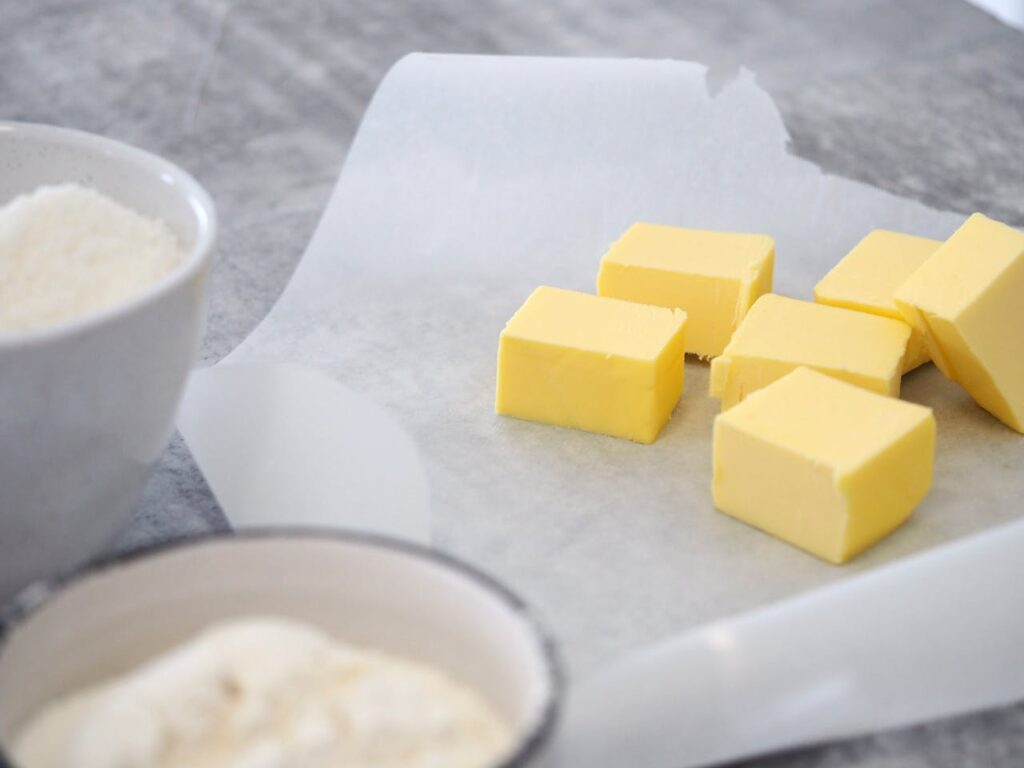
The aim of this study is to compare the oxidative stability of five commercial margarines (MB1 to MB5) using the Rancimat test, and to correlate the induction times obtained with the lipid composition of each sample. This type of analysis is common in research and development or competitive intelligence, in order to identify the most stable formulations or to optimize a nutritional profile without compromising shelf life.
Rancimat test results
The five samples were subjected to the Rancimat test at 110 °C according to standard EN 14112. The results show variable induction times depending on the formulations:
- MB1: 43.86 hours
- MB2: 16, 17 hours
- MB3: 15, 16 hours
- MB4: 17.45 hours
- MB5: 23.49 hours
These values are interpreted in comparison with ISO 6886 , which sets a reference range of 6 to 24 hours for standard margarines. Only MB1 margarine significantly exceeds this threshold, indicating a formulation that is particularly stable against oxidation.
Analysis of the link with fatty acid composition
Gas chromatography-FID analysis of the five samples reveals notable differences in the fatty acid profile:
- MB1 is rich in saturated fatty acids (SFAs) with a high content of palmitic (C16:0) and stearic (C18:0) acids. This profile promotes high oxidative stability, further enhanced by the addition of antioxidants.
- MB2 has a significant proportion of polyunsaturated fatty acids (PUFAs), particularly linoleic acid (C18:2), which explains its lower stability.
- MB5 stands out for its balanced composition of monounsaturated fatty acids (MUFAs) and polyunsaturated fatty acids (PUFAs), with a high content of oleic acid (C18:1) and linolenic acid (C18:3). It achieves a good induction time while offering a favorable nutritional profile.
The PUFA/SFA ratio is a key indicator for assessing oxidative stability. A high ratio reflects increased susceptibility to oxidation. In this study, MB1 showed a ratio of 0.24, while MB2 reached 0.64, confirming the inverse relationship between lipid unsaturation and stability.
Usefulness of the results for formulation
The results of the Rancimat test allow us to:
- Identify the most stable margarine (MB1), useful for long-life products or products without refrigeration.
- Adjusting fatty acid profiles to improve lifespan without sacrificing nutritional benefits.
- To validate the effectiveness of antioxidants added to certain formulations.
- Segment the products according to their use: cooking, spreadable, enriched with omega-3, etc.
The Rancimat test at YesWeLab
Recognized sector expertise
YesWeLab is a company specializing in laboratory analysis services for the agri-food, nutraceutical, cosmetic, environmental, and animal health sectors. Through a network of over 200 laboratories , the majority of which are ISO 17025 and/or COFRAC , YesWeLab guarantees the reliability and conformity of results, particularly for standardized methods such as the Rancimat test.
YesWeLab's partner laboratories are experts in the Rancimat method, compliant with EN 14112 , with rigorous application of technical parameters (temperature, airflow, sample volume, container type, etc.). This expertise ensures reproducible induction times, comparable between products, and usable for development, quality control, or regulatory validation.
A solution designed for industrialists
YesWeLab offers an all-in-one digital platform to centralize the entire analytical process:
- Search and selection of the service via a catalogue of more than 10,000 referenced analyses.
- Online ordering with sample description, choice of method, specific conditions.
- Easy shipping of samples with precise instructions and logistical traceability.
- Real-time monitoring of the analysis: reception, testing, online report.
- Secure access to results and archiving of reports for compliant document management.
This approach allows manufacturers to save time, avoid scattered email exchanges, and structure their analytical projects in a professional and secure manner .
An ability to adapt to specific needs
Each analysis request via YesWeLab can be adapted according to the specifics of the product or the client's specifications:
- Choice of analysis temperature if a deviation from the standard is justified.
- The Rancimat test can be combined with additional analyses (peroxide index, fatty acid profile, antioxidant assay by HPLC, etc.).
- Support from a technical expert for understanding the results, interpretation or formulation recommendations.
- Support for complex matrices requiring prior extraction or specific processing (cosmetics, powders, botanical extracts, etc.).
This flexibility is particularly appreciated by R&D, quality or regulatory managers who are looking for partners capable of adapting to their technical and regulatory constraints .
Complete traceability and a commitment to quality
YesWeLab's partner laboratories apply strict procedures to guarantee the integrity of the results. Every step, from sample receipt to report issuance, is documented and tracked. The equipment used for the Rancimat test is regularly calibrated and checked, in accordance with the requirements of ISO 17025.
The entire process is overseen by the YesWeLab scientific team, which acts as a liaison between manufacturers and laboratories, and ensures that services are performed according to best practices .