Oligomeric proanthocyanidins (OPCs) are plant compounds belonging to the flavonoid family . Known for their potent antioxidant activity , they are present in many plants and play a crucial role in protecting against oxidative stress. Their scientific and industrial interest continues to grow due to their beneficial effects on human health, particularly in cardiovascular prevention, skin protection, and inflammation modulation .
These molecules are now widely used in the nutraceutical , cosmetic , and food . However, their effectiveness depends heavily on their origin, concentration, and bioavailability. Therefore, laboratory analyses are essential to guarantee the quality and compliance of products containing proanthocyanidin oligomers.
In this article, we will explore the properties, sources, benefits, and analytical techniques for evaluating these compounds.
YesWeLab offers a complete range of analyses to characterize OPCs, guaranteeing their identification, concentration and stability through advanced analytical methods , adapted to regulatory and industrial requirements.
Table of Contents
What are oligomers proanthocyanidins (OPCs)?
Definition and chemical structure
Proanthocyanidin oligomers (OPCs) are polymers of flavan-3-ols , a subclass of flavonoids. They are composed of catechin and epicatechin , which can combine to form dimers, trimers, or oligomers. Their unique molecular structure gives them a high capacity to scavenge free radicals , which explains their strong antioxidant activity .
OPCs are often compared to anthocyanins, another type of flavonoid responsible for the red, blue, or purple color of certain fruits and vegetables. However, unlike anthocyanins, oligomer proanthocyanidins are colorless and more stable in the face of pH variations. Their solubility varies according to their molecular size: monomers and dimers are soluble in water , while more complex forms require organic solvents for efficient extraction.
Differences between monomers, dimers and oligomers
OPCs are primarily differentiated by their degree of polymerization :
- Monomers : Basic molecules (catechin, epicatechin), easily absorbed by the body.
- Dimers and trimers : Associated with better bioavailability than more complex polymers.
- Oligomers (> 4 units) : Very powerful antioxidants but less well assimilated by the body .
This degree of polymerization impacts their biological activity, intestinal absorption, and industrial applications. For example, grape seed extracts primarily contain dimers and trimers, while maritime pine bark is richer in complex polymers. Unlike oligomeric proanthocyanidins (OPCs) , proanthocyanidins encompass structures that can contain several hundred monomers, which strongly influences their physicochemical properties and bioavailability.
Physicochemical properties and bioavailability
Proanthocyanidin oligomers possess several characteristics that influence their absorption and efficacy:
- Solubility : Small proanthocyanidin oligomers are more soluble in water and better absorbed.
- Metabolism : They are transformed by the gut microbiota, which influences their bioavailability.
- Interaction with other nutrients : The presence of vitamin C improves their absorption.
- Stability : Unlike anthocyanins, OPCs are stable over a wide pH range , making them attractive for food and cosmetic formulations.
All of these factors play a key role in their pharmacological efficacy, which explains why manufacturers invest in optimized formulations and rigorous laboratory analyses to assess their concentration and stability.

Natural sources of oligomers proanthocyanidins (OPCs)
Oligomeric proanthocyanidins (OPCs) are present in many plants and foods, where they play a crucial role in protecting against oxidative stress and external aggressions. Their concentration varies depending on several factors, including the plant species, growing conditions, and the extraction methods used for their isolation.
The main plant sources rich in OPCs
OPCs are abundant in various parts of plants , including fruits, bark, leaves, and seeds . Here are the main natural sources:
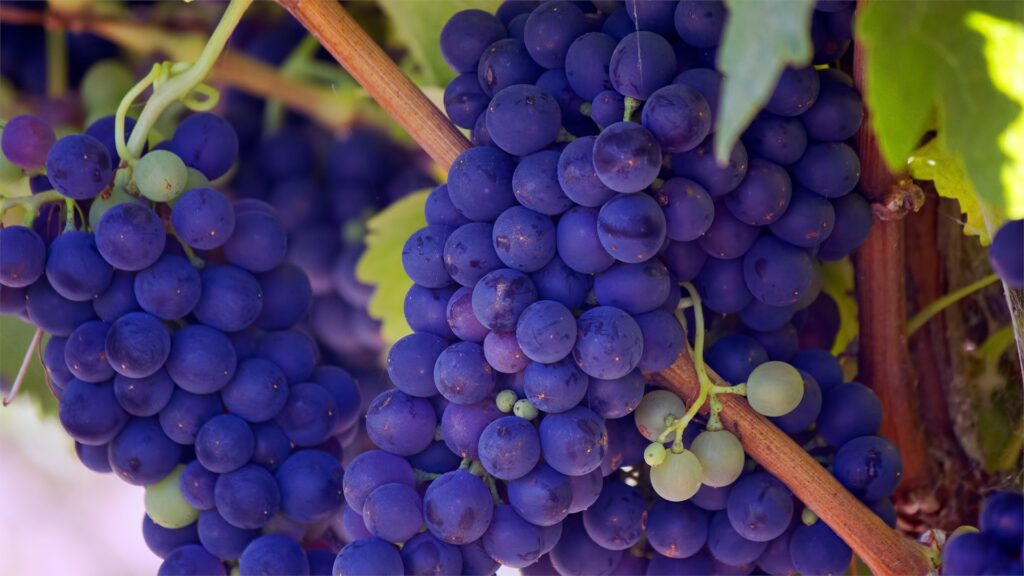
- Grape seeds and skin 🍇 : They contain a high concentration of OPCs, particularly in the form of dimers and trimers. Grape seed extracts are widely used in dietary supplements for their protective effects on the cardiovascular system.
- Maritime pine bark 🌲 : One of the most studied sources, pine bark extract (Pycnogenol®) is rich in polymerized proanthocyanidin oligomers. These compounds are known for their anti-inflammatory effects and their ability to improve microcirculation .
- Red berries and fruits 🍓 : Blueberries, cranberries, raspberries and blackberries are natural sources of OPCs, with powerful antioxidant properties.
- Apples 🍏 : Primarily found in the skin of apples, OPCs contribute to the beneficial effects of the fruit's polyphenols .
- Cocoa and dark chocolate 🍫 : Cocoa contains proanthocyanidin oligomers and other flavan-3-ols that are beneficial for cardiovascular health.
- Green tea and black tea 🍵These drinks are rich in polyphenols, including OPCs, which gives them their protective properties against cardiovascular diseases .
Factors influencing the concentration of proanthocyanidin oligomers
The OPC content of a plant or food can vary depending on several parameters:
- Geographical origin : Climatic conditions and soil quality influence the synthesis of flavonoids.
- The stage of fruit maturity : The riper a fruit is, the more its OPC concentration can decrease.
- Extraction and transformation methods : Industrial processes, such as grape fermentation in winemaking, affect the composition of OPCs.
- Storage conditions : Exposure to light and oxygen can alter the stability of OPCs in finished products.
Comparison between natural sources and industrial extracts
Oligomeric proanthocyanidins can be consumed directly through food or as concentrated extracts found in dietary supplements and cosmetic formulations . Here is a comparison between these two methods of intake:
| Criteria | Natural springs | Industrial extracts |
|---|---|---|
| Bioavailability | Moderate, dependent on the gut microbiota | Optimized through advanced extraction processes |
| OPC concentration | Variable depending on growing and ripening conditions | Standardized and guaranteed by laboratory analyses |
| Presence of other nutrients | Contains other flavonoids and vitamins | Targeted and purified formulation |
| Use | Daily diet | Cosmetic supplements and applications |
Thus, while the consumption of fruits and vegetables rich in OPCs contributes to good general health, standardized extracts make it possible to ensure an optimal and regular intake, particularly for therapeutic and cosmetic applications.
Laboratory analyses play an essential role in the characterization and quantification of OPCs present in these extracts, ensuring their effectiveness and compliance with applicable standards.
Are you looking for an analysis?
Mechanisms and biological properties of proanthocyanidin oligomers (OPCs)
Oligomeric proanthocyanidins (OPCs) possess exceptional biological properties that explain their growing interest in the nutraceutical, cosmetic, and healthcare sectors . Their chemical structure gives them remarkable antioxidant potency , as well as anti-inflammatory, cardiovascular, and skin-protective effects. Their action is based on several fundamental mechanisms that influence various biological systems.
Antioxidant activity: enhanced cell protection
OPCs are considered 20 to 50 times more antioxidant than vitamins C and E, allowing them to effectively neutralize free radicals responsible for oxidative stress. This phenomenon is at the root of cellular aging and numerous chronic diseases, including cardiovascular and neurodegenerative diseases, and certain cancers.
Mechanism of action:
- Neutralization of free radicals : OPCs stabilize unstable molecules by donating electrons without becoming reactive themselves .
- Protection of cell membranes : They prevent lipid peroxidation , a destructive process of cells.
- Regeneration of other antioxidants : OPCs participate in the recycling of vitamin C , thus strengthening the entire antioxidant defense system .
Studies have shown that proanthocyanidin oligomers can significantly reduce markers of oxidative stress, thus helping to preserve cellular integrity and limit damage caused by environmental aggressions (pollution, UV, toxins).
Anti-inflammatory effects: a modulation of immune responses
Chronic inflammation is a key factor in the development of many diseases, such as arthritis , diabetes, and cardiovascular disease . OPCs play a major role in regulating inflammatory responses by inhibiting several metabolic pathways involved in inflammation .
Mechanism of action:
- Inhibition of pro-inflammatory cytokines (TNF-α, interleukins) which activate inflammatory reactions.
- Blocking of cyclooxygenase enzymes (COX-1 and COX-2) involved in the production of pro-inflammatory prostaglandins.
- Stabilization of mast cells , thus reducing allergic and inflammatory reactions.
Thanks to these properties, OPCs are being studied for their potential in the management of chronic inflammatory diseases , particularly in the treatment of joint pain and autoimmune diseases .
Cardiovascular protection: improved blood circulation
The benefits of proanthocyanidin oligomers on the cardiovascular system are well documented. Their ability to strengthen blood vessel walls and improve microcirculation makes them an essential asset for the prevention of heart and venous diseases .
Mechanism of action:
- Strengthening of vascular collagen : OPCs bind to collagen and elastin , thus improving the strength and elasticity of capillaries .
- Reduction of LDL cholesterol oxidation , a key factor in the development of atherosclerosis .
- Vasodilatory effect : By stimulating the production of nitric oxide (NO), OPCs promote the relaxation of blood vessels , thus reducing blood pressure.
Clinical trials have demonstrated that the consumption of grape seed extracts rich in proanthocyanidin oligomers can significantly reduce high blood pressure and improve blood circulation in patients suffering from venous insufficiency.
Benefits for the skin: protection against aging and external aggressors
OPCs are particularly beneficial for skin health , notably due to their protective action on collagen and elastin . These essential proteins ensure skin firmness, hydration, and elasticity. Over time, and under the influence of UV rays, oxidative stress, and pollution, these structures degrade, leading to wrinkles, sagging skin, and loss of radiance .
Mechanism of action:
- Inhibition of collagen-destroying enzymes (collagenases, elastases) responsible for skin degradation.
- Protection against UV rays by limiting the damage caused by sunlight.
- Moisturizing and repairing effect , by improving water retention in the epidermis.
OPCs are now incorporated into many cosmetic formulas in the form of grape seed extracts or maritime pine bark , for their anti-aging and protective .
Anticancer potential: inhibition of tumor proliferation
Recent research suggests that proanthocyanidin oligomers could play a role in the prevention and treatment of certain cancers through their effects on cell growth and apoptosis.
Mechanism of action:
- Blocking of tumor signaling pathways , preventing the uncontrolled proliferation of cancer cells.
- Induction of apoptosis (programmed cell death) , thereby reducing tumor growth.
- Anti-angiogenic action , limiting the blood supply to cancer cells and slowing their development.
Although these effects have been demonstrated in vitro and in animal models, further clinical studies are needed to confirm the impact of OPCs in the treatment of cancer in humans .
A key role in intestinal balance
Proanthocyanidin oligomers also appear to have a beneficial effect on the gut microbiota , a central element of human health. They promote the growth of beneficial bacteria while reducing pathogenic strains.
Mechanism of action:
- Modulation of the intestinal flora , by stimulating beneficial bacteria such as lactobacilli and bifidobacteria.
- Prebiotic effect , improving nutrient absorption and energy metabolism.
- Reduction of intestinal inflammation , useful in the management of chronic inflammatory bowel diseases (IBD).
These properties make OPCs a potential ally for digestive health and intestinal well-being , especially as part of a diet rich in polyphenols.

Applications of oligomers proanthocyanidins (OPCs) in industry
Thanks to their powerful antioxidant, anti-inflammatory, and protective properties , oligomeric proanthocyanidins (OPCs) are widely used in several industrial sectors. They are found in nutraceuticals, cosmetics, food processing, and functional foods. These diverse applications allow their potential for disease prevention and improved well-being to be fully exploited.
Nutraceutical supplements: support for health
dietary supplement industry has widely incorporated OPCs into its formulations, particularly for their protective effects on the cardiovascular system, skin, and inflammation . They are often used in the form of standardized extracts , derived from grapes or maritime pine, to ensure an optimal concentration of active ingredients.
Benefits of UCITS in supplements:
- Cardiovascular protection : reduction of hypertension, improvement of blood circulation.
- Anti-aging effect : maintains skin elasticity and hydration.
- Joint support : modulation of inflammatory processes responsible for joint pain.
- Effect on immunity : modulation of the intestinal microbiota and strengthening of natural defenses.
OPCs are often combined with other antioxidants, such as vitamin C, vitamin E, and resveratrol, to enhance their synergistic action.
Cosmetics and dermo-cosmetics: a powerful anti-aging ingredient
The cosmetics industry is increasingly using proanthocyanidin oligomers to preserve youthful skin and combat skin aging. Their ability to protect collagen and elastin makes them preferred active ingredients in creams, serums, and anti-aging treatments .
Cosmetic applications of OPCs:
- Anti-wrinkle creams and serums : stimulate collagen production and inhibit destructive enzymes.
- Sun protection : mitigating damage caused by UV rays.
- Soothing products : reduce redness and skin sensitivity thanks to their anti-inflammatory effect.
- Skincare for sensitive skin : improved skin tolerance and strengthened skin barrier.
Grape seed extract and maritime pine bark extract are the most widely used sources in cosmetics, due to their high content of bioavailable OPCs.
Food industry: natural preservatives with protective effects
In the agri-food sector, OPCs are being explored for their potential as natural preservatives. Their antioxidant and antimicrobial activity helps protect food against oxidation, rancidity, and microbial degradation .
Applications in the agri-food sector:
- Preservation of oils and fats : protection against oxidation and rancidity.
- Beverage protection : added to wine and fruit juices to limit the degradation of aromatic compounds.
- Preservation of meats and meat products : inhibition of lipid oxidation and improvement of product stability.
Research is underway to integrate OPCs into biodegradable food films , in order to extend the shelf life of perishable products.
Functional foods and fortified beverages: a growing market
Functional foods are becoming increasingly popular due to growing consumer interest in preventative health . OPCs are incorporated into various products to enhance their nutritional value and provide targeted health benefits.
Examples of functional foods enriched with proanthocyanidin oligomers:
- Energy bars and protein supplements : protection against exercise-induced oxidative stress.
- Fruit juices and functional drinks : improved antioxidant properties and reduced cellular stress.
- Enriched teas and infusions : synergistic action with other polyphenols present in tea.
The integration of OPCs into these products requires rigorous analysis of their stability to guarantee their effectiveness up to final consumption.

Laboratory analyses of oligomers proanthocyanidins (OPCs): ensuring quality and safety
Oligomeric proanthocyanidins (OPCs) are widely used in the nutraceutical , cosmetic, and food . However, their efficacy and safety depend on their purity, concentration, and stability. To ensure the compliance of products containing OPCs, rigorous laboratory analyses are essential. These tests allow for the quantification of these compounds, the evaluation of their bioavailability, and the verification of their compliance with applicable regulations.
Laboratory analysis methods
Since OPCs are complex compounds, several analytical techniques are used for their quantification and characterization.
High-performance liquid chromatography (HPLC)
High-performance liquid chromatography (HPLC) is the reference method for the analysis of OPCs. It allows for the separation, identification, and quantification of these compounds in a complex matrix (plant extracts, cosmetics, food supplements).
Advantages of HPLC:
- High precision and reproducibility.
- Identification of the different types of proanthocyanidin oligomers (monomers, dimers, trimers).
- Adaptability to complex matrices (powders, liquids, creams).
BL-DMAC Method
The BL-DMAC method is a specific technique for precisely quantifying OPCs in plant extracts . It is particularly well-suited to extracts of grape seeds and maritime pine bark , two of the richest sources of OPCs.
Why use the BL-DMAC method?
- Specific to OPCs (reduced risk of interference with other polyphenols).
- High sensitivity and precision.
- Used by industry to guarantee the quality of standardized extracts.
Spectrophotometry
UV-Vis spectrophotometry is a simpler method used to assess the absorption of proanthocyanidin oligomers at specific wavelengths . It is often used for a rapid initial screening before further analysis by HPLC.
Advantages of spectrophotometry:
- A quick and economical technique.
- Allows for an overall estimation of OPC concentration.
- Easy to automate for high-volume analysis.
Importance of Regulatory Compliance
Laboratory analyses must meet international standards and certifications to guarantee the reliability of results and ensure product conformity.
ISO 17025 standard and COFRAC accreditation
Laboratories performing OPC analysis must comply with ISO 17025 , which defines the requirements for competence and quality of laboratory tests .
In France, laboratories accredited by COFRAC (French Accreditation Committee) guarantee:
- The reliability and traceability of the results.
- The use of validated and recognized methods.
- Compliance with European regulatory requirements.
Regulations for food supplements and cosmetics
OPCs are used in food supplements and cosmetic products , and must comply with specific standards:
- European Regulation 1924/2006 on health claims: nutritional claims concerning OPCs must be scientifically proven.
- ISO 16128 standard for natural cosmetics: guarantees the authenticity of ingredients of plant origin.
- FDA (Food and Drug Administration) regulations in the United States, for products intended for the American market.
Examples of matrices analyzed in the laboratory
OPCs are present in different matrices , which require specific analyses:
| Matrix | Analysis method | Objective |
|---|---|---|
| Dietary supplement (capsule, powder, liquid extract) | HPLC, BL-DMAC | OPC quantification and purity control |
| Cosmetics (cream, serum, lotion) | HPLC, spectrophotometry | Stability and bioavailability verification |
| Functional beverages (tea, fortified juices, red wine) | HPLC, spectrophotometry | Determination of OPC content and its evolution in the product |
| Plant extracts (pine bark, grape seeds) | BL-DMAC | Standardization of extracts to guarantee their effectiveness |
Stability and bioavailability of OPCs: essential analyses
OPCs are sensitive to certain environmental factors that can alter their effectiveness, such as:
- Light : prolonged exposure leading to oxidation of compounds.
- Temperature : accelerated degradation under conditions of excessive heat.
- pH : modification of the chemical structure of OPCs in an environment that is too acidic or basic.
Stability analyses are therefore necessary to ensure that OPC-based products retain their biological activity throughout their shelf life.
Commonly performed stability tests:
- Accelerated testing (high temperature and humidity).
- Measurement of in vitro bioavailability to simulate their intestinal absorption.
- Degradation analyses based on pH and storage conditions.
These tests are particularly important for food supplements and cosmetics , to ensure that consumers actually benefit from the effects of proanthocyanidin oligomers over time.

The role of YesWeLab in the analysis of proanthocyanidin oligomers (OPCs)
Laboratory analyses are essential to ensure the quality, safety, and regulatory compliance of products containing oligomeric proanthocyanidins (OPCs). YesWeLab, through its network of over 200 laboratories , offers analytical solutions tailored to the nutraceutical, cosmetic, and food industries .
YesWeLab's expertise allows manufacturers to centralize and optimize their analytical needs via a digital platform, ensuring simplified management and transparent monitoring of analyses .
YesWeLab's expertise in laboratory analysis
YesWeLab supports companies in the analysis of OPCs for different sectors, by offering precise quantification methods and regulatory compliance tests .
Why have your UCITS analyzed with YesWeLab?
- A network of specialist laboratories : access to ISO 17025 and COFRAC accredited laboratories.
- Appropriate analytical techniques : HPLC, spectrophotometry, BL-DMAC method.
- An innovative digital platform : simplifies the management of analyses and the tracking of samples.
- Personalized support : expert advice to choose the analyses best suited to industrial needs.
Thanks to these advantages, YesWeLab guarantees reliable results that comply with regulatory requirements .
Quality and compliance tests of OPCs performed by YesWeLab
Examples of tests offered:
- Quantification of proanthocyanidin oligomers by HPLC and spectrophotometry : precise determination of flavan-3-ols in plant extracts and finished products.
- Stability and bioavailability tests : verification of OPC degradation under different storage and absorption conditions.
- Regulatory analyses : compliance with ISO standards, COFRAC, and European and American regulations.
These tests are essential to ensure that the OPCs used in food supplements, cosmetics and agri-food products meet the applicable quality standards.
OPC analysis process at YesWeLab
YesWeLab facilitates access to laboratory analyses through a simplified and efficient process .
Steps in the process:
- Analysis selection : the manufacturer chooses the appropriate tests via the YesWeLab platform.
- Sending samples : the products are shipped to an accredited partner laboratory.
- Performing the analyses : application of analytical methods adapted to OPCs.
- Interpretation of results : YesWeLab provides a detailed report and recommendations.
Thanks to this process, manufacturers benefit from fast and reliable results , thus optimizing the development and marketing of their products.