Proanthocyanidins, also known as condensed tannins, are natural plant-derived compounds that are increasingly attracting attention for their antioxidant properties and numerous health benefits. Found in a variety of fruits, seeds, and barks, these versatile molecules play a key role in protecting organisms from oxidative damage. This article explores their origin, chemical structure, applications, and the scientific advances that are leading to a better understanding of their potential.
1. Introduction
Definition of proanthocyanidins
flavonoid polymers derived from flavan-3-ols, such as catechin and epicatechin. This group of phenolic compounds is distinguished by its ability to bind as dimers, trimers, or polymers via specific carbon-carbon bonds. Their unique chemical structure confers remarkable antioxidant activity, often described as 20 to 50 times more potent than that of vitamins C and E.
Importance in biological and food sciences
One of the most studied properties of proanthocyanidins concerns their impact on cardiovascular health. These compounds strengthen blood vessel walls, promote circulation, and reduce risk factors associated with cardiovascular disease.
The observed effects include:
- Reduction of hypertension : Proanthocyanidins promote vasodilation by increasing the production of nitric oxide (NO), a natural vasodilator.
- Lowering LDL cholesterol : They protect low-density lipoproteins (LDL) against oxidation, thus reducing the risk of atherosclerosis.
- Improved microcirculation : They strengthen the resistance of capillaries, limiting edema and peripheral circulatory disorders.
These benefits make proanthocyanidins valuable in the prevention of strokes, heart attacks, and venous insufficiency.
These molecules are known for their protective role against free radicals, which are responsible for oxidative stress, a factor contributing to aging and many chronic diseases. In the food industry, proanthocyanidins also help preserve food thanks to their antioxidant effect, while offering nutritional benefits when consumed. They are also highly valued in the cosmetics and pharmaceutical industries for their effects on the skin and their potential anticancer properties.
2. Origin and chemical structure of proanthocyanidins
Proanthocyanidins are distinguished by their complex chemical structure and widespread presence in the plant kingdom. Understanding their molecular composition and origins allows for a better grasp of their unique properties and their impact on human health and industrial applications.
Classification and molecular structure
Proanthocyanidins belong to the large family of flavonoids, phenolic compounds widely distributed in plants. Their structure is based on flavan-3-ol units, such as (+)-catechin and (-)-epicatechin. These units can be linked together by specific carbon-carbon bonds, forming dimers, trimers, or more complex polymers.
Two main types of proanthocyanidins are distinguished according to the nature of their bonds:
- Type A : Flavanic units are linked by a double bond (C4→C8 or C4→C6 bonds, associated with a C2→O→C7 ether bond).
- Type B : The bonds are limited to a single carbon-carbon connection (usually C4→C8 or C4→C6).
This chemical structure gives them remarkable stability, while also influencing their biological activity and their interaction with other compounds.
Physicochemical properties
Proanthocyanidins are characterized by variable solubility, depending on their degree of polymerization. Monomers and dimers are soluble in water and organic solvents, while high molecular weight polymers tend to be insoluble. Their ability to scavenge free radicals is directly related to the arrangement of hydroxyl groups in their structure.
In acidic environments and at high temperatures, proanthocyanidins can undergo degradation into anthocyanidins, pigments responsible for the red to purple coloration in many fruits and wines.
Plant origin and biodiversity
Proanthocyanidins are ubiquitous in the plant kingdom and play a crucial ecological role. They protect plants against UV radiation, microbial infections, and herbivores thanks to their astringency.
The main sources of proanthocyanidins include:
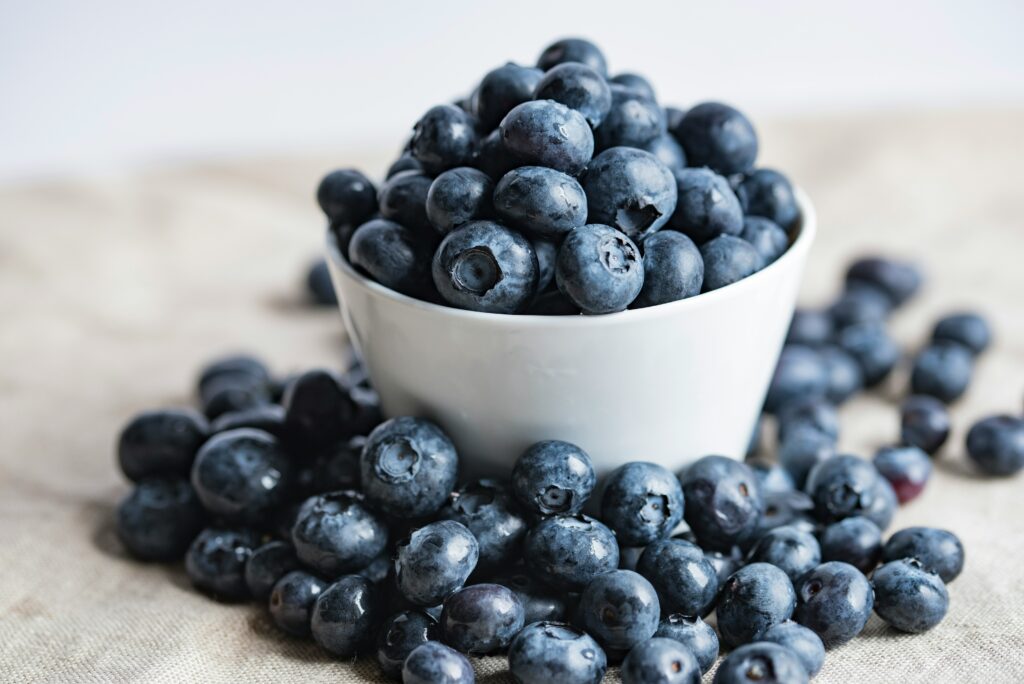
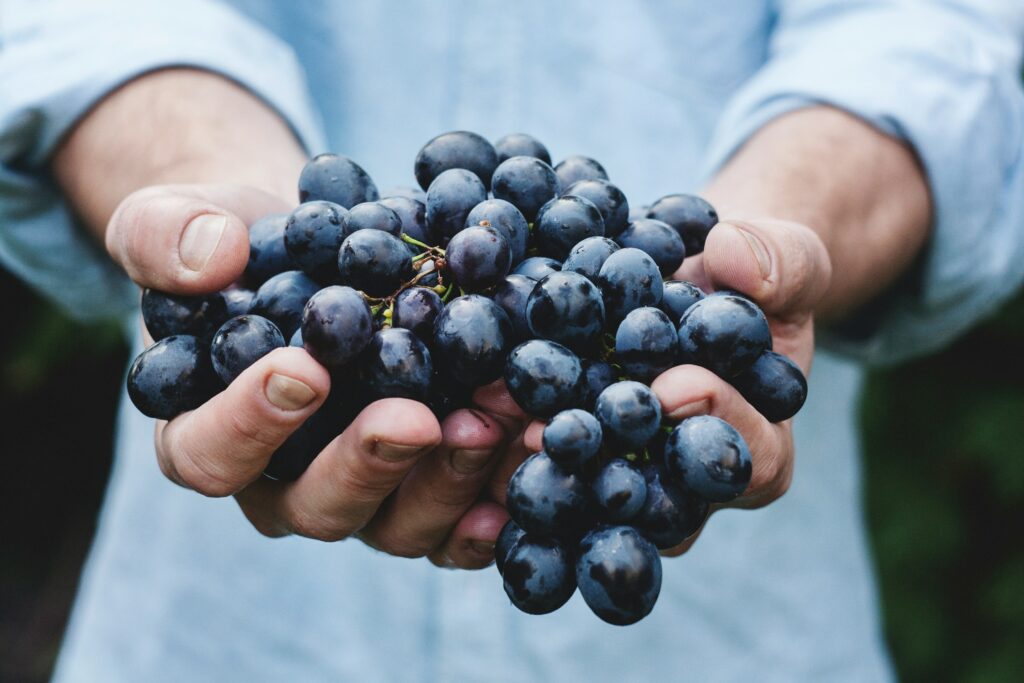
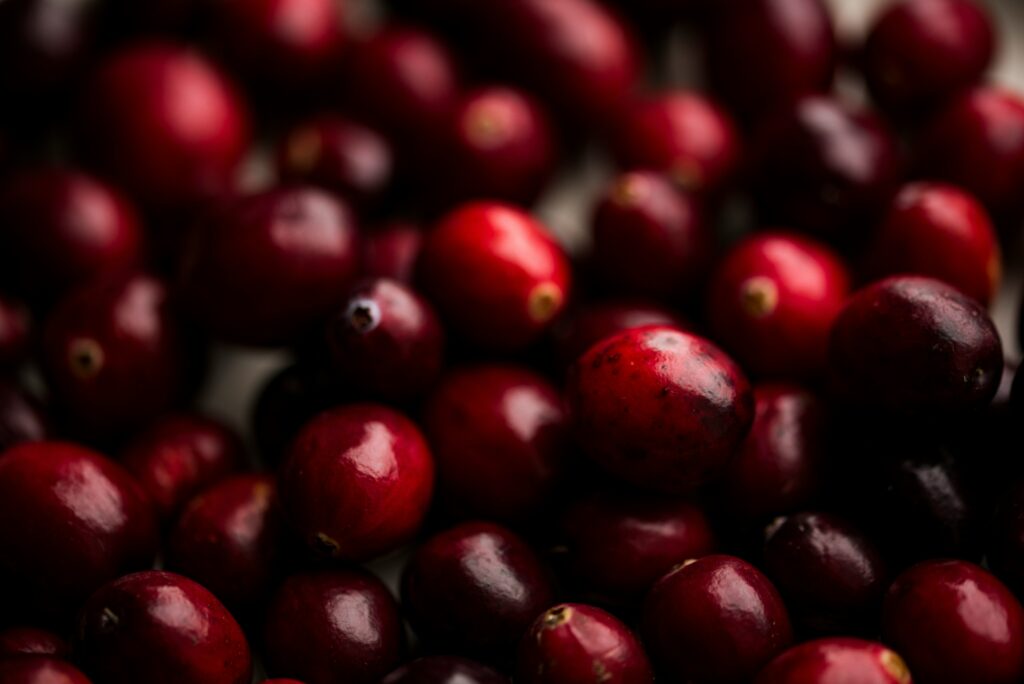
- The fruits : Grapes (especially the seeds and skin), cranberries, blueberries, apples, cherries.
- The bark : Maritime pine (source of the commercial extract Pycnogenol).
- Drinks : Red wine, green tea, cocoa.
The concentration of proanthocyanidins varies depending on the plant species, growing conditions, and processing methods. Grape seeds, for example, contain polymers with up to 18 flavan units, while cranberries are rich in type A proanthocyanidins.
3. Main natural sources of proanthocyanidins
Proanthocyanidins, widely found in nature, play a vital role in plant defense and offer numerous benefits when incorporated into the human diet. Identifying their main natural sources allows for a better understanding of their availability and uses in various sectors.
Fruits and berries: rich in proanthocyanidins
Fruits are one of the most abundant sources of proanthocyanidins. These compounds are particularly concentrated in the seeds, peels, and sometimes the flesh of certain fruits, where they contribute to their astringent taste and color.
Fruits rich in proanthocyanidins include:
- Grapes : The seeds and skin are particularly rich in procyanidin polymers. They play an important role in the quality of red wines, where they contribute antioxidant properties and influence organoleptic characteristics.
- Cranberries : Containing type A proanthocyanidins, they are recognized for their role in preventing urinary tract infections by inhibiting bacterial adhesion.
- Blueberries and blackcurrants : They are rich in dimers and trimers, offering benefits for vision and cardiovascular health.
- Apples : The peel concentrates a large part of the proanthocyanidins, contributing to their antioxidant properties and anti-inflammatory action.
Beverages: a specific concentration through fermentation and transformation
Certain plant-derived beverages are also notable sources of proanthocyanidins. Their concentration often depends on the processing or fermentation methods.
- Red wine : The fermentation of grapes promotes the extraction of proanthocyanidins from the seeds and skin. These compounds contribute to longevity and the cardiovascular benefits often associated with moderate red wine consumption.
- Green tea : Rich in flavan-3-ols and proanthocyanidins, green tea offers antioxidant and anti-inflammatory properties.
- Cocoa and dark chocolate : Cocoa beans contain proanthocyanidins, although their concentration can decrease during processing. Dark chocolates with a high cocoa content are particularly rich in these compounds.
Other specific plant sources
Besides fruits and beverages, certain plants are known for their exceptional proanthocyanidin content:
- Maritime pine bark : Harvested to produce Pycnogenol, a commercial extract rich in proanthocyanidins, used in food supplements and cosmetics.
- Witch hazel leaves : Used in herbal medicine for their venotonic and anti-inflammatory properties, they contain dimeric proanthocyanidins.
- Black-fruited chokeberry : This small North American fruit is one of the most concentrated sources of proanthocyanidins, with a notable polymer content.
Variability depending on growing and processing conditions
The concentration of proanthocyanidins in these natural sources can vary considerably depending on several factors:
- Climatic conditions : Light, humidity, and temperature influence their biosynthesis in plants.
- Transformation methods : Fermentation, drying, or roasting can alter the concentration and structure of proanthocyanidins.
- Species and varieties : Some varieties, such as the Tannat grape varieties for red wine, have particularly high levels of proanthocyanidins.
4. Biological properties and health benefits
Proanthocyanidins, thanks to their bioactive properties, play a crucial role in the prevention of many chronic diseases and in maintaining overall health. These compounds exert protective effects on various bodily systems, ranging from neutralizing free radicals to modulating inflammatory processes.
Powerful antioxidants to protect cells
Proanthocyanidins are distinguished by their ability to neutralize free radicals, which are responsible for oxidative stress and cell damage. This oxidative stress is implicated in numerous pathologies, such as cardiovascular diseases, cancer, and neurodegenerative disorders.
The antioxidant mechanisms of proanthocyanidins are based on:
- Their ability to donate electrons to stabilize free radicals.
- Their synergistic effect with other antioxidants, such as vitamins C and E.
- Their interaction with cell membranes, where they reduce damage to lipids and proteins.
This antioxidant property, combined with their bioavailability, gives them effectiveness in both aqueous and lipid environments, making them versatile in various biological contexts.
Modulation of inflammation
Proanthocyanidins act as natural anti-inflammatories by modulating several biological pathways involved in inflammation. They inhibit pro-inflammatory enzymes, such as cyclooxygenase (COX) and lipoxygenase, while limiting the release of inflammatory cytokines (TNF-α, IL-6).
This anti-inflammatory effect has been demonstrated in studies on models of chronic diseases, such as:
- Inflammatory bowel diseases.
- Inflammatory arthritis.
- Metabolic disorders linked to inflammation, such as type 2 diabetes.
By reducing inflammation, proanthocyanidins also contribute to protecting tissues against long-term damage.
Improvement in cardiovascular health
One of the most studied properties of proanthocyanidins concerns their impact on cardiovascular health. These compounds strengthen blood vessel walls, promote circulation, and reduce risk factors associated with cardiovascular disease.
The observed effects include:
- Reduction of hypertension : Proanthocyanidins promote vasodilation by increasing the production of nitric oxide (NO), a natural vasodilator.
- Lowering LDL cholesterol : They protect low-density lipoproteins (LDL) against oxidation, thus reducing the risk of atherosclerosis.
- Improved microcirculation : They strengthen the resistance of capillaries, limiting edema and peripheral circulatory disorders.
These benefits make proanthocyanidins valuable in the prevention of strokes, heart attacks, and venous insufficiency.
Protection against skin aging and UV damage
Proanthocyanidins play an important role in skin health. By binding to collagen and preventing its breakdown, they preserve the skin's elasticity and firmness.
Their benefits for the skin include:
- Wrinkle reduction : Thanks to their antioxidant properties, they limit oxidative damage responsible for premature aging.
- UV protection : They reduce inflammation and damage caused by sun exposure.
- Improved wound healing : By stimulating collagen production, they accelerate the repair of superficial wounds.
These effects make proanthocyanidins a key ingredient in many anti-aging cosmetic products.
Potential role in cancer prevention
Proanthocyanidins have also shown promising anticancer properties. They act by inhibiting the proliferation of cancer cells, inducing their apoptosis (programmed cell death), and reducing the formation of new blood vessels necessary for tumor growth.
These properties have been studied in several types of cancer, including:
- Colon cancer.
- Breast cancer.
- Skin cancer.
Although these results are encouraging, further research is needed to confirm their effectiveness as a therapeutic agent.
Are you looking for an analysis?
5. Industrial applications of proanthocyanidins
Proanthocyanidins, due to their antioxidant, anti-inflammatory, and protective properties, have diverse applications in various industrial sectors. These natural molecules are harnessed to improve product quality and meet the growing need for sustainable and effective solutions.
Dietary supplements: an asset for health
Proanthocyanidins are widely used in the dietary supplement for their numerous health benefits. These products are formulated to address specific needs, such as cardiovascular support, immune system enhancement, and cellular aging management.
The main applications include:
- Cardiovascular support : Proanthocyanidins extracted from grape seeds or pine bark are used to reduce the risk of heart disease by strengthening vascular walls and decreasing LDL oxidation.
- Immune system strengthening : Thanks to their antioxidant properties, they protect immune cells from oxidative damage.
- Aging management : They prevent oxidative stress which causes degenerative diseases and contribute to better overall health.
These supplements are often offered in the form of capsules, powders or liquid extracts, and are particularly popular in the nutraceutical and natural health sectors.
Cosmetics: an essential anti-aging ingredient
In the cosmetics , proanthocyanidins are incorporated into formulations for their anti-aging properties and their ability to protect the skin against environmental aggressions.
Their applications include:
- Anti-aging creams : By preserving collagen elasticity and reducing oxidative stress, they diminish the visible signs of aging, such as wrinkles and loss of firmness.
- Sun care products : They protect the skin from damage caused by UV rays, limiting inflammation and the risk of skin cancer.
- Products for healing : Thanks to their role in collagen production, they promote skin regeneration after injuries or irritations.
Formulations based on proanthocyanidins include serums, creams, and lotions, targeting a clientele concerned with natural and effective products.
Functional nutrition: food product enrichment
Functional nutrition is another area where proanthocyanidins play a key role. They are added to food to improve their nutritional value and offer health benefits.
Examples of applications:
- Fortified drinks : Fruit juices, iced teas, and energy drinks are often fortified with proanthocyanidins for their antioxidant properties.
- Nutritional bars : Proanthocyanidins are included in snacks designed to promote muscle recovery and reduce inflammation after physical exertion.
- Food preservation : Their ability to limit oxidation makes them natural preservatives, particularly in oils, processed meats, and cereal products.
Sustainable packaging and materials
Proanthocyanidins also find applications in packaging materials, particularly those intended to come into contact with food. Their role is to prevent product degradation by delaying oxidation processes.
- Active films and coatings : Proanthocyanidins are incorporated into biodegradable packaging to extend the shelf life of food.
- Protective barriers : Their ability to inhibit microbial growth makes them an asset in innovative food packaging.
Laboratory methods for analyzing proanthocyanidins
Accurate characterization of proanthocyanidins is essential to fully exploit their properties and ensure their quality in various industrial applications. Laboratories use a range of advanced analytical methods to quantify these compounds and evaluate their physicochemical characteristics.
Techniques for quantifying proanthocyanidins
Several analytical methods are used to measure the concentration and structure of proanthocyanidins in different matrices.
Spectrophotometry (BL-DMAC)
The BL-DMAC method is based on a chemical reaction between 4-dimethylaminocinnamaldehyde (DMAC) and proanthocyanidin terminal units, producing a color measurable by spectrophotometry.
- Advantages : Speed, high sensitivity, and low sample volume required.
- Applications : Analysis in food, beverages, and plant extracts.
- Limitations : The method is more accurate for low molecular weight proanthocyanidins.
High-performance liquid chromatography (HPLC)
HPLC is used to separate and identify the different fractions of proanthocyanidins, ranging from monomers to polymers.
- Advantages : High resolution and ability to identify specific structures.
- Applications : Profiling of compounds in complex extracts.
- Limitations : Requires sophisticated equipment and technical expertise.
Colorimetry (Bate-Smith test)
This method relies on the depolymerization of condensed tannins into anthocyanidins in an acidic medium at high temperature. The formation of a red color is proportional to the initial concentration of proanthocyanidins.
- Advantages : Simplicity and low cost.
- Applications : Rapid analysis for quality control.
- Limitations : Less precise for complex samples.
Example of standardized analysis
A concrete example of analysis includes the quantification of proanthocyanidins in a grape extract:
- Sample collection : Use of sealed and inert vials to prevent any degradation of the compounds.
- Analytical method : Spectrophotometry via BL-DMAC.
- Limit of quantification (LOQ) : Approximately 0.1 to 10 mg/L depending on the matrix.
- Results : The data provide valuable insights into the quality and concentration of proanthocyanidins for further use.
Challenges and innovations in analysis
Despite technological advances, the analysis of proanthocyanidins presents several challenges:
- Structural heterogeneity : Proanthocyanidins exist in various forms (dimers, polymers), making their complete characterization complex.
- Matrix interactions : In food or plant matrices, compounds can interact with other molecules, affecting their detection.
- Bioavailability : Studies require tools to link proanthocyanidin concentration to their actual biological activity.
Recent innovations include the use of mass spectrometry and combined techniques such as HPLC-MS for more detailed and precise analysis.
7. Bioavailability and metabolism of proanthocyanidins
The bioavailability of proanthocyanidins, that is, their ability to be absorbed, distributed, and utilized by the body, plays a crucial role in their biological efficacy. Understanding their metabolism allows us to assess their actual impact on human health and optimize their use in various products.
Absorption and transport of proanthocyanidins
Proanthocyanidins, depending on their molecular size, exhibit varied behaviors during absorption:
- Monomers and dimers : These small units are easily absorbed in the small intestine and pass into the bloodstream in an intact or slightly modified form. They are often conjugated with glucuronides, sulfates, or methylated acids, facilitating their transport throughout the body.
- Polymers : Larger polymers, such as trimers and oligomers, are not absorbed in the small intestine due to their size and low solubility. They reach the colon directly, where they are broken down by the intestinal flora.
Studies show that only a fraction of consumed proanthocyanidins is detectable in plasma, highlighting the importance of metabolism mechanisms.
Role of the gut microbiota
In the colon, proanthocyanidin polymers are metabolized by intestinal bacteria, producing bioactive compounds called phenolic metabolites .
- Major metabolites : Phenolic acids (e.g., gallic acid, protocatechuic acid).
- Biological effects : These metabolites exhibit antioxidant and anti-inflammatory properties similar to, or even superior to, those of the original proanthocyanidins.
This step is crucial for their bioavailability, as it transforms initially non-absorbable molecules into bioactive compounds usable by the body.
Distribution and excretion
Once absorbed, proanthocyanidins and their metabolites are distributed to various tissues, including the liver, kidneys, and vascular walls, where they exert their protective effects.
- Plasma concentration : Although low, it is sufficient to trigger important biological activities, such as the neutralization of free radicals or the modulation of inflammatory enzymes.
- Excretion : Unmetabolized compounds or their final metabolites are excreted via urine and feces within 24 to 48 hours of ingestion.
Implications for biological efficacy
The limited bioavailability of crude proanthocyanidins raises questions about their actual efficacy. However, in vivo studies show that their metabolites contribute significantly to their benefits. The main effects observed include:
- Reduction of oxidative stress : Phenolic metabolites amplify antioxidant properties.
- Systemic effects : Improved microcirculation, vascular protection, and modulation of the immune system.
- Long-acting : Metabolites, once formed, can remain active in the body longer than intact proanthocyanidins.
Factors influencing bioavailability
Several factors impact the bioavailability of proanthocyanidins:
- Chemical form : Monomers and dimers are more bioavailable than polymers.
- Food matrix : Co-ingested fiber, lipids, and proteins can influence absorption.
- Gut microbiota : Bacterial diversity and composition influence the degradation and conversion of polymers.
Optimizing these parameters could improve the effectiveness of products enriched with proanthocyanidins.