Ferulic acid is a plant-derived compound distinguished by its numerous applications in the cosmetic , food, and pharmaceutical industries. Thanks to its unique chemical structure, it offers exceptional antioxidant properties, placing it among the most prized active ingredients for combating cellular aging and oxidative stress. This first part explores the chemical and natural characteristics of ferulic acid, as well as its key role in plants and its extraction.
1. Definition and chemical properties of ferulic acid
Definition
Ferulic acid, with the chemical formula C10H10O4 , belongs to the polyphenol family, a group of organic compounds known for their antioxidant properties. It is a derivative of cinnamic acid, a molecule found in many plants. The term "ferulic acid" originates from the botanical genus Ferula , which includes herbaceous plants of the Apiaceae family, such as giant fennel.
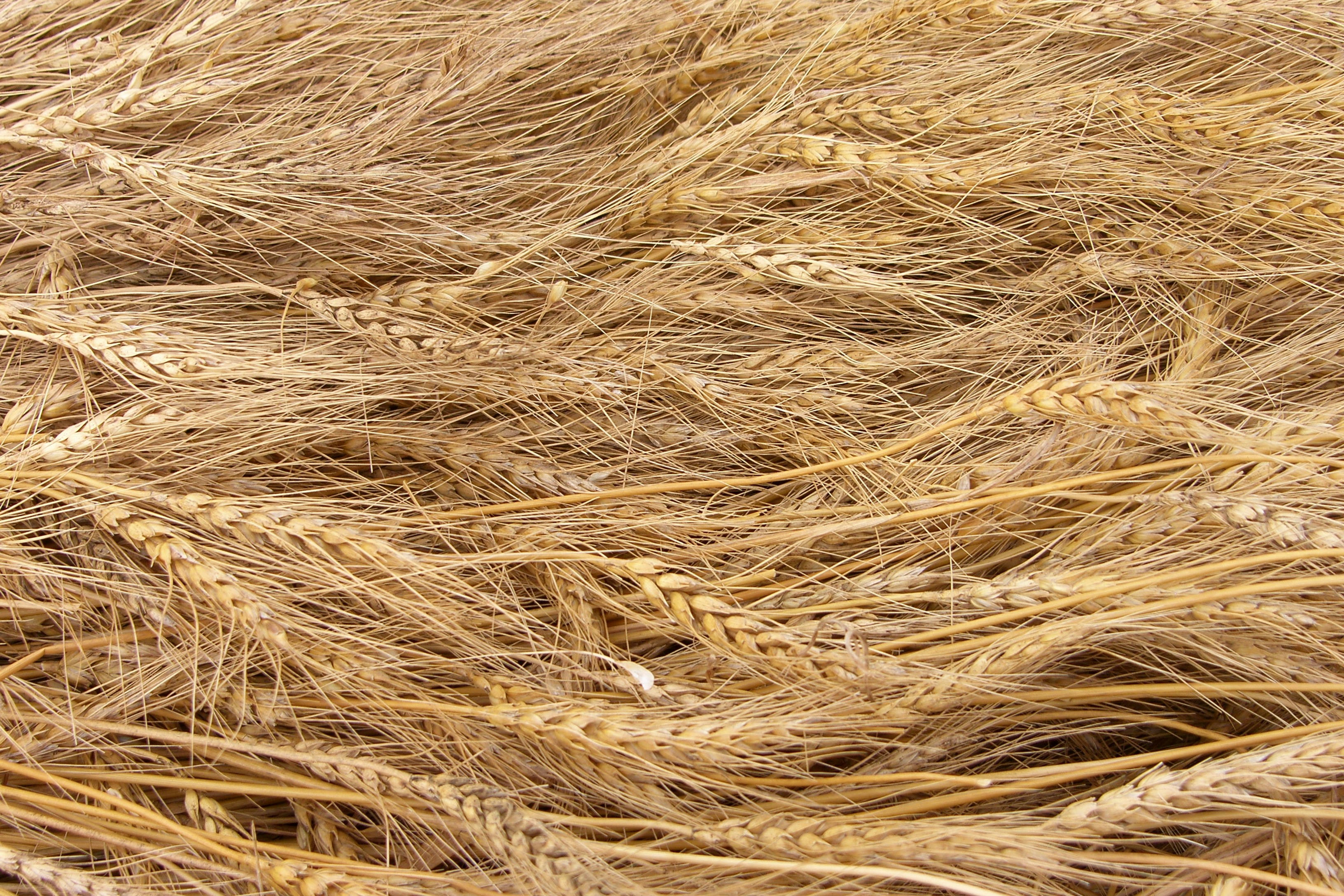
Ferulic acid occurs naturally in various foods, such as fruits, vegetables, and especially grains like wheat, oats, and corn. It is also extracted from the bark of trees such as fir and pine. Its powerful antioxidant properties make it a key ingredient in cosmetic formulations, while also having notable applications in pharmacology and nutrition.
Chemical properties
Ferulic acid is distinguished by its simple yet effective molecular structure. It consists of a phenyl ring to which the following are attached:
- A hydroxyl group (-OH), responsible for its antioxidant reactivity.
- A methoxy group (-OCH3), which enhances its chemical stability.
This unique configuration allows ferulic acid to effectively neutralize free radicals, which are unstable molecules involved in cellular damage.
Main physical characteristics :
- Molar mass : 194.18 g/mol.
- Solubility : Moderately soluble in water, highly soluble in organic solvents.
- Melting point : Between 169 and 173 °C.
Due to its chemical properties, it also acts as a stabilizer in cosmetic formulations, extending the shelf life of products rich in antioxidant vitamins such as vitamin C.
Biosynthesis and natural occurrence
Ferulic acid plays a crucial role in plant metabolism. It is synthesized from caffeic acid by the addition of a methoxy group, a process catalyzed by the enzyme caffeic acid-O-methyltransferase . This conversion allows the compound to participate in the formation of lignin, an essential component of plant cell walls.
It is found in high concentrations in:
- Cereals : Wheat and oats, especially their outer husks.
- Fruits and vegetables : Apples, artichokes and spinach.
- Tree bark : Particularly that of conifers such as fir and pine.
Ferulic acid, incorporated into cell walls, contributes to their mechanical strength and protection against pathogens. It is often industrially extracted from wheat or corn bran using chemical processes with strong bases such as sodium hydroxide.
2. Benefits of ferulic acid
Ferulic acid is renowned for its powerful antioxidant properties and its benefits for the skin and body. Its protective effects against cellular aging and oxidative stress make it a prized ingredient in cosmetic, food, and biomedical products. This section explores in detail the many benefits of this compound.
Powerful antioxidant
Ferulic acid acts as an antioxidant by neutralizing free radicals, unstable molecules that damage cells and accelerate aging. This ability stems from its chemical structure, which allows it to donate electrons to stabilize these free radicals.
- Protection against oxidative stress : Oxidative stress, caused by factors such as pollution, UV rays, or a poor diet, is one of the main culprits behind premature skin aging. Ferulic acid combats this phenomenon by inhibiting the chain reactions of free radicals.
- Preservation of proteins and lipids : It protects structural proteins such as collagen and elastin, essential for maintaining skin firmness and elasticity, as well as lipids that form the skin barrier.
Specific effects on the skin
Ferulic acid is widely used in skincare for its anti-aging and brightening effects. Incorporated into serums and creams, it works on several levels:
- Wrinkle reduction and prevention of skin sagging : By limiting damage caused by free radicals, ferulic acid helps to prevent and reduce the appearance of wrinkles and fine lines.
- Improves skin tone evenness : It regulates the production of melanin, responsible for pigment spots, which helps to brighten the complexion and make it more even.
- Increased radiance : Thanks to its revitalizing action on skin cells, ferulic acid restores radiance and vitality to the skin.
Synergies with other antioxidants
Ferulic acid is particularly effective when used in combination with other antioxidants. Its synergies with vitamins C and E are well documented:
- Vitamin C : Together, they strengthen protection against UV rays, reduce inflammation and stimulate collagen production.
- Vitamin E : Ferulic acid improves the stability of vitamin E, prolonging its protective action against environmental aggressions.
These combinations make ferulic acid an ideal choice for multifunctional cosmetic formulations.
Biomedical applications
Beyond its benefits for the skin, ferulic acid has promising properties for overall health:
- Anticancer properties : In vitro studies show that ferulic acid can induce apoptosis (programmed cell death) of cancer cells, particularly in liver and breast cancers.
- Anti-inflammatory effects : It reduces chronic inflammation, a risk factor for many degenerative diseases.
- Cardiovascular protection : By neutralizing free radicals, ferulic acid protects the walls of blood vessels and helps prevent atherosclerosis.
3. Practical applications in industries
Ferulic acid is widely used in several sectors thanks to its versatile properties. Whether in cosmetics, food processing, or pharmaceuticals, this compound offers innovative solutions to improve product quality while meeting consumer expectations.
Cosmetic
cosmetics industry is the primary user of ferulic acid, due to its beneficial effects on the skin. Incorporated into various formulations, it helps address several specific skin needs.
- Antioxidant formulations : Ferulic acid is commonly used in serums, creams, and lotions to protect the skin against external aggressors such as UV rays, pollution, and free radicals. Combined with vitamin C, it enhances skin photoprotection and limits sun damage.
- Skin lightening products : Its ability to regulate melanin production makes it ideal for treatments designed to even out skin tone and reduce pigmentation spots.
- Cleansers and basic care : Ferulic acid is also included in cleansers for its ability to soothe inflammation and reduce redness, making these products suitable for sensitive skin.
Example: Many high-end brands offer serums enriched with ferulic acid combined with other antioxidants to maximize their benefits, such as the "Ferulic Acid 3% + Ashitaba" serum.
Agri-food
In the food industry, ferulic acid is mainly used for its aromatic and stabilizing properties.
- Vanillin synthesis : Ferulic acid is a key precursor for producing vanillin , a flavoring widely used in food, beverages, and baked goods. This synthetic method offers a sustainable alternative to traditional vanilla extraction.
- Stabilizing agents : Thanks to its antioxidant properties, it extends the shelf life of food by delaying the oxidation of fats and oils.
- Taste improvement : Ferulic acid is patented to mask the bitter aftertaste of artificial sweeteners such as saccharin or acesulfame potassium, thereby improving the sensory acceptability of sweet products.
Pharmaceutical
In the medical field, ferulic acid is used for its health benefits and its ability to intervene in essential biological processes.
- Prevention of chronic diseases : Thanks to its anti-inflammatory and antioxidant properties, it is being studied as a protective agent against cardiovascular and neurodegenerative diseases.
- Anticancer properties : As mentioned in biomedical studies, ferulic acid can inhibit the proliferation of certain cancer cells and limit the effects of environmental carcinogens.
- Topical applications : Used in dermatological formulations, it reduces oxidative stress in the skin and promotes the repair of damaged tissue.
Are you looking for an analysis?
4. Laboratory analysis of ferulic acid
Ferulic acid, as an active compound used in various sectors, requires precise analytical methods to ensure its quality and efficacy. This section explores the techniques commonly used in the laboratory to analyze this compound, as well as the importance of regulatory compliance in analytical processes.
Analysis techniques
Laboratories use advanced technologies to measure the concentration and purity of ferulic acid in various samples. Some of the most common methods include:
High-performance liquid chromatography (HPLC) :
This technique is the reference method for quantifying ferulic acid. Thanks to its precision, it allows for the analysis of this compound in complex matrices, such as cosmetic serums, fortified foods, and plant extracts.
-
- Example: HPLC coupled with a UV detector to quantify ferulic acid in cereal powders with a limit of quantification of approximately 0.02 mg/g.
UV-Vis spectrophotometry :
Used to identify the antioxidant properties of ferulic acid by measuring light absorption at specific wavelengths. This method is rapid and suitable for routine analyses.
Mass spectrometry :
It allows confirmation of the molecular structure and purity of ferulic acid, particularly when present in trace amounts in complex matrices.
Acid-base titration :
Although more traditional, this process is still used for simple products or basic formulations containing ferulic acid.
Examples of analyses
Analytical applications cover a wide range of products and industries. Here are some typical examples:
- Cosmetics : Analysis of serums enriched with ferulic acid to guarantee their efficacy and stability.
- Functional foods : Measurement of ferulic acid concentration in cereals and processed products to assess their antioxidant potential.
- Food supplements : Dosage of ferulic acid in formulations to ensure compliance with nutritional claims.
Standards and regulatory compliance
Ferulic acid analyses must adhere to strict standards to ensure reliable results. Accredited laboratories play a key role in this process.
- ISO 17025 : This standard establishes the requirements for the competence of testing laboratories, ensuring that analyses are carried out with accuracy and rigor.
- COFRAC accreditation : In France, accredited laboratories ensure strict compliance with European regulations and guarantee reliable results for cosmetic, agri-food or pharmaceutical companies.
- Migration tests : In the context of food packaging, specific analyses are carried out to ensure that ferulic acid does not migrate into the food, in accordance with EC Regulation No. 1935/2004.

5. Where can ferulic acid be found and how is it used?
Ferulic acid, thanks to its numerous benefits, is present in various products and used in multiple contexts. This section explains where this natural compound can be found and provides recommendations for its effective use, particularly in cosmetics and dietary supplements.
Natural sources of ferulic acid
Ferulic acid is naturally present in many plants and foods. Here are its main sources:
- Cereals : Wheat bran, corn, and oats are the main natural sources of ferulic acid. It is primarily located in the cell walls of the outer layers of the grains.
- Fruits and vegetables : It is found in apples, oranges, spinach, and rhubarb. These foods contain varying amounts, depending on their ripeness and growing conditions.
- Tree bark : The bark of coniferous trees, such as fir or pine, also contains ferulic acid, which is used in specific industrial applications.
- Seeds and coffee : Seeds such as sunflower seeds or green coffee are also interesting sources of this polyphenol.
Products containing ferulic acid
Ferulic acid is incorporated into a variety of products to exploit its antioxidant and stabilizing properties:
- Cosmetics :
- Serums: Antioxidant serums enriched with ferulic acid are designed to protect the skin from free radicals, improve complexion and reduce signs of aging.
- Creams: Used for their moisturizing and anti-aging effect, they help prevent sagging skin and even out skin tone.
- Specific treatments: Some products, such as spot correctors, combine ferulic acid with other active ingredients to target pigmentation problems.
- Dietary supplements :
- Capsules and powders: Ferulic acid is often offered in supplement form for its beneficial effects on cardiovascular health and its ability to reduce inflammation.
- Fortified drinks: Some nutritional products include this compound to increase their antioxidant power.
Recommendations for use
The use of ferulic acid must be adapted to the product and the specific needs of the user. Here are some practical tips:
- In cosmetics :
- Apply serums containing ferulic acid in the morning to maximize their protective effect against free radicals generated by UV rays and pollution.
- Pair it with sunscreen for added protection against sun damage.
- Perform a skin test before use to avoid possible allergic reactions, especially for sensitive skin.
- As a dietary supplement :
- Follow the manufacturer's recommended dosage to avoid any overdose.
- Consult a healthcare professional if you have any doubts, especially if you are pregnant, breastfeeding, or taking medication.
Alternatives and perspectives
For those wishing to avoid synthetic products or with specific dietary restrictions, natural alternatives containing high levels of ferulic acid, such as wheat bran or corn extracts, may be preferred. Furthermore, ongoing innovation in the cosmetics and food sectors promises increasingly effective and environmentally friendly formulations.
6. Regulatory aspects and industrial challenges
Ferulic acid, as a widely used ingredient in cosmetic, food, and pharmaceutical products, is subject to specific regulations to ensure its safety and efficacy. This section addresses the main regulatory frameworks and the challenges faced by manufacturers.
Cosmetics regulations
The use of ferulic acid in cosmetic products is regulated by strict standards in order to protect consumers.
- European standards (Regulation (EC) No 1223/2009) : This regulation requires that all cosmetic ingredients be assessed for safety before being placed on the market. Ferulic acid must meet specific criteria regarding its maximum permitted concentration to avoid the risk of irritation or sensitization.
- ISO 22716 Compliance : Good Manufacturing Practices (GMP) must be followed in the production of cosmetics containing ferulic acid. This ensures consistent quality and product traceability.
- Restrictions on claims : Brands must ensure that claims made about products enriched with ferulic acid, such as "anti-aging" or "brightening", are supported by robust scientific evidence.
Regulations in the agri-food sector
In the food industry, ferulic acid is primarily used as a precursor to vanillin or as a stabilizing agent. Regulations aim to ensure the safety of food products containing this compound.
- Regulation (EC) No 1333/2008 : This European regulation governs the use of food additives, including antioxidants such as ferulic acid, to ensure that they do not have harmful effects on human health.
- Migration tests : Food packaging containing materials enriched with ferulic acid must undergo migration tests to verify that the transfer into food complies with the limits set by EC Regulation No. 1935/2004.
- Concentration limits : Products intended for consumption must comply with precise ferulic acid concentration thresholds in order to prevent overdoses.
Industrial challenges
The integration of ferulic acid into formulations poses several technical and strategic challenges for manufacturers.
- Stability in formulations :
- In cosmetics: Ferulic acid is sensitive to light and oxidation, which necessitates encapsulation processes or combinations with other antioxidants to prolong its stability.
- In the food industry: Products containing ferulic acid must be protected from moisture and high temperatures to prevent degradation of the compound.
- Sustainable sourcing : Ferulic acid is primarily extracted from plant sources such as wheat or corn bran. Fluctuations in the availability of these raw materials, combined with increasing demand, are driving manufacturers to seek alternative sources or environmentally friendly synthesis processes.
- Production costs : Ferulic acid extraction and purification methods can be expensive, which impacts the final price of products, especially in high-end ranges.
Towards widespread and sustainable adoption
To meet consumer demands and constantly evolving regulations, the industry is increasingly turning to sustainable approaches:
- Green chemistry : The use of environmentally friendly technologies for the extraction and production of ferulic acid is booming. This includes processes using fewer chemical solvents and less energy.
- Bio-based substitutes : Research is exploring the possibility of producing ferulic acid from biotechnologies, such as microbial fermentation, to meet growing demand while reducing the carbon footprint.