Aloin is a natural compound found in the sap of various aloe species, particularly aloe vera. This glucoside is well-known for its laxative properties, but also for the risks it can pose when consumed inappropriately. Over time, numerous regulations have been put in place to govern the use of aloin in health, cosmetic , and food products, in order to limit its potentially toxic side effects. In this article, we will explore in detail the composition and properties of aloin, extraction methods, uses, side effects, and precautions, as well as the regulations in place to ensure consumer safety.
1. Introduction to aloin
What is aloin?
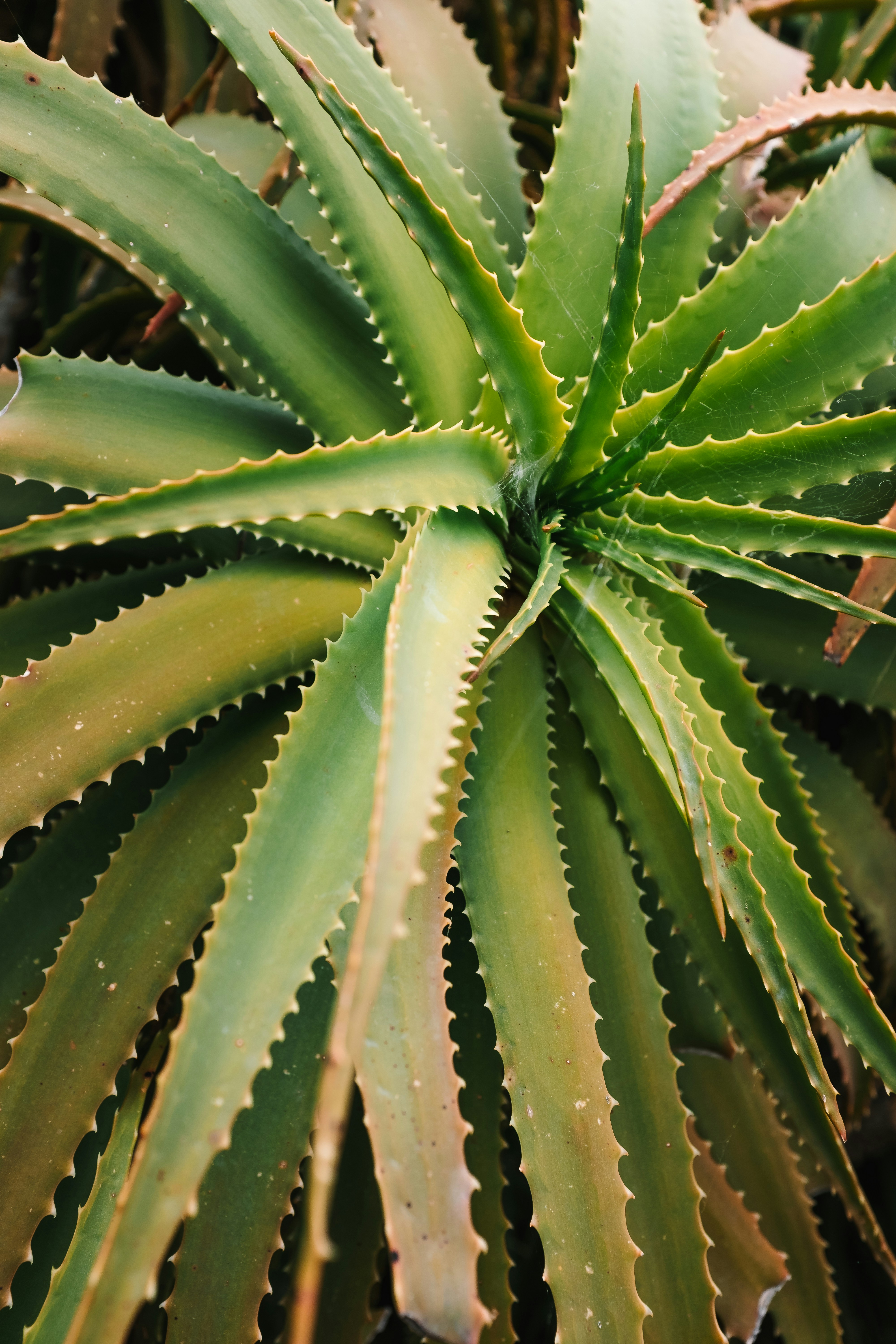
Aloin, also called barbaloin, is a bitter, yellow to brown chemical compound. It is a glucoside, a molecule formed from a sugar bonded to another substance, in this case derived from certain aloe species. It occurs naturally in the sap of aloe vera, as well as in other varieties, such as aloe ferox, and is known for its laxative effects. Aloin is found primarily in the outer layer of the leaf, between the rind and the mucilaginous gel. In addition to its laxative effects, aloin has a bitter taste that also makes it useful in some food applications.
Origin and chemical composition
The aloin molecule is classified as an anthraquinone, a family of compounds known for their purgative properties. Aloin's CAS number is 8015-61-0, and it is estimated that this compound is present in at least 68 aloe species at concentrations ranging from 0.1% to 6.6% of the dry leaves. This variability depends on the aloe species, climate, and growing environment. Its bitter taste has led to its occasional use in alcoholic beverages, although this is now restricted by various regulations for safety reasons.
2. Composition and properties of aloin
Chemical structure and identification
Aloin is an anthraquinone glucoside that, in its pure form, appears as yellow crystals. It is classified as a potent laxative due to its action on the digestive system. Its chemical formula is C21H22O9, and it is often analyzed by chromatography to verify its purity and concentration in various products. High-performance liquid chromatography (HPLC) is the most widely used method for identifying and quantifying aloin, particularly in dietary supplements and cosmetic .
Main properties
Aloin possesses several distinct properties that explain its varied uses:
- Laxative properties : Aloin acts as a stimulant of intestinal peristalsis, making it effective for the temporary treatment of constipation. It is particularly useful in cases of occasional constipation, but prolonged use is not recommended due to its side effects.
- Bitterness : Its bitter taste makes it useful as an additive in some alcoholic beverages to impart a bitter flavor. However, this property is restricted by law due to its potential toxicity.
- Potential allergen : Although rare, aloin can cause allergic skin reactions. This risk is monitored and controlled, particularly in skincare products and food supplements.
Physiological properties
Aloin works by stimulating contractions of the intestinal muscles, which facilitates bowel movements. However, repeated use can irritate the intestinal lining, cause cramps, and lead to laxative dependence. At high doses, aloin can cause severe dehydration and electrolyte imbalance. This compound can also cause abdominal spasms, so its use should be limited in duration to avoid these adverse effects.
3. Extraction and separation of aloin in aloe vera
Extraction processes
Aloin extraction is a crucial step in separating the latex (sap) from the aloe vera leaf from the edible gel. Traditionally, aloin was extracted by simple flow and then concentrated by evaporation. Today, modern methods involve the use of vacuum chambers and advanced filtration processes to ensure the purity of the aloe gel and the absence of aloin in products intended for human consumption. This process guarantees that the gel is safe for cosmetic use or ingestion.
Use of chromatography techniques
To ensure that aloin is properly separated from the aloe vera gel, laboratories use techniques such as high-performance liquid chromatography (HPLC). This method allows for the precise detection and quantification of aloin in a sample. HPLC is crucial for analyzing aloe vera-containing products, thus verifying their compliance with safety standards.
HPLC-MS (mass spectrometry) is also used to identify and analyze the different components of aloin, particularly useful in quality control testing of consumer products.
4. Uses of aloin in products
Traditional use of aloin
Aloin has historically been used in laxative medications due to its intestinal-stimulating effect. It has also been used as a bittering agent in some beverages, although this practice has become less common due to potential adverse effects and regulatory restrictions. In traditional medicine, it was also incorporated into remedies for its purgative and cholagogue (bile-stimulating) effects.
Use in pharmaceuticals and cosmetics
The laxative properties of aloin made it a popular ingredient in pharmaceutical laxatives, although the FDA stopped recognizing it as a safe ingredient in 2002. In cosmetics, some aloe vera-based products may contain traces of aloin, but in minimal quantities that comply with safety standards. In cosmetics, advanced purification techniques eliminate aloin residues, ensuring products are safe for consumers.
Examples of products containing aloin
Some digestive supplements may contain aloin, but they often come with recommendations for limited use. Aloe-based laxatives are also regulated to prevent misuse and side effects. Finally, aloin is sometimes included in hair and skin care formulations for its stimulating properties.
Are you looking for an analysis?
5. Side effects and toxicity of aloin
Health risks
Aloin can cause several side effects, including abdominal cramps, diarrhea, and an increased risk of melanosis coli, a brown discoloration of the intestinal lining caused by prolonged use of anthraquinone laxatives. The effects of melanosis coli are reversible, but can lead to laxative dependence.
Studies on toxicity
Studies have revealed that prolonged use of aloin can cause hypokalemia (low potassium levels), thereby compromising heart and muscle health. These findings led the FDA to remove aloin from its list of safe ingredients in 2002, resulting in restrictions on products containing aloin.
populations at risk
Aloin is particularly discouraged for pregnant and breastfeeding women, as well as for children and people suffering from intestinal disorders. Excessive doses can cause miscarriages in pregnant women and severe irritation of the digestive system.
6. Laboratory analyses of aloin
Analysis techniques
Laboratory analysis of aloin is primarily performed using HPLC, which allows for precise quantification. HPLC-MS (mass spectrometry) is also used for detailed compound identification, particularly for compliance testing.
Importance of conformity testing
Laboratory tests ensure that products containing aloe comply with maximum safety and concentration standards for aloin, thus protecting consumers from adverse effects.
Example of analysis
In the case of a powdered aloe vera product, laboratories analyze the concentration of aloin, ensuring that it does not exceed 0.1 mg/kg, the safety limit set by health authorities to avoid laxative effects.

7. Regulation and legal framework of aloin
European regulations
In Europe, products containing aloin are subject to strict restrictions, particularly in food supplements and laxatives. European regulations impose a strict limit on the concentration of aloin to prevent the risk of toxicity.
FDA position and restrictions in the United States
In the United States, the FDA banned laxatives containing aloin in 2002, stating that this compound can no longer be used in products deemed safe. This restriction aims to protect consumers from the adverse effects of prolonged use.
Labeling and safety recommendations
Products containing aloe vera must include clear information on aloin concentrations, along with warnings for users, and indicate any contraindications.
8. Alternatives and methods for purifying aloin
Pure aloe vera gel without aloin
Pure aloe vera gel, without aloin, is a safe alternative for those who wish to enjoy the benefits of aloe without the risks associated with aloin.
Purification techniques
Filtration and purification techniques make it possible to remove aloin from the gel, thus ensuring a product that is safe for skin and consumption.
Conclusion
Aloin is a compound with powerful laxative properties, but its use must be strictly controlled due to its potential adverse effects. Laboratory tests and international regulations ensure product safety for consumers, guaranteeing that aloe vera products are safe when used according to guidelines.