What is vitamin B17?
Often called vitamin B17, amygdalin is not actually a vitamin: it is a cyanogenic glycoside, meaning a plant compound that releases cyanide when it is broken down. It is also known as laetrile or amygdalin. Under the action of enzymes, amygdalin is hydrolyzed into glucose, benzaldehyde , and hydrogen cyanide (HCN), which explains the interest—and the vigilance—surrounding its measurement in food products.
Inwhich foods is amygdalin found?
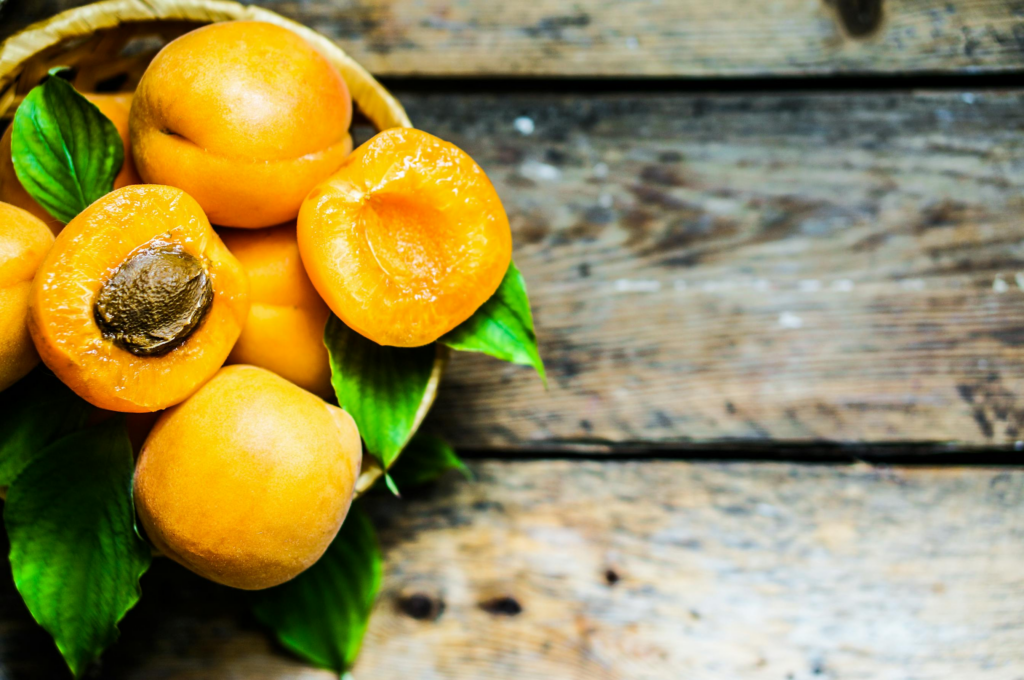
Amygdalin is naturally present in the kernels and almonds of several stone fruits: apricots, peaches, nectarines, cherries, and bitter almonds are particularly rich in it. It is also found, in lower concentrations, in certain legumes, cereals, and oilseeds. Its presence poses a food safety concern: at high doses, the release of cyanide necessitates analytical monitoring of its levels, particularly in dietary supplements, kernel extracts, and processed products.
Why measure amygdalin levels?
The analysis primarily addresses safety and regulatory compliance objectives. Health authorities strictly regulate the cyanogenic compound content of food products due to the toxicological risk associated with the release of hydrogen cyanide. Accurately measuring amygdalin (or total cyanide) allows food and dietary supplement manufacturers to verify the safety of their raw materials and finished products.
How can it be analyzed in a laboratory?
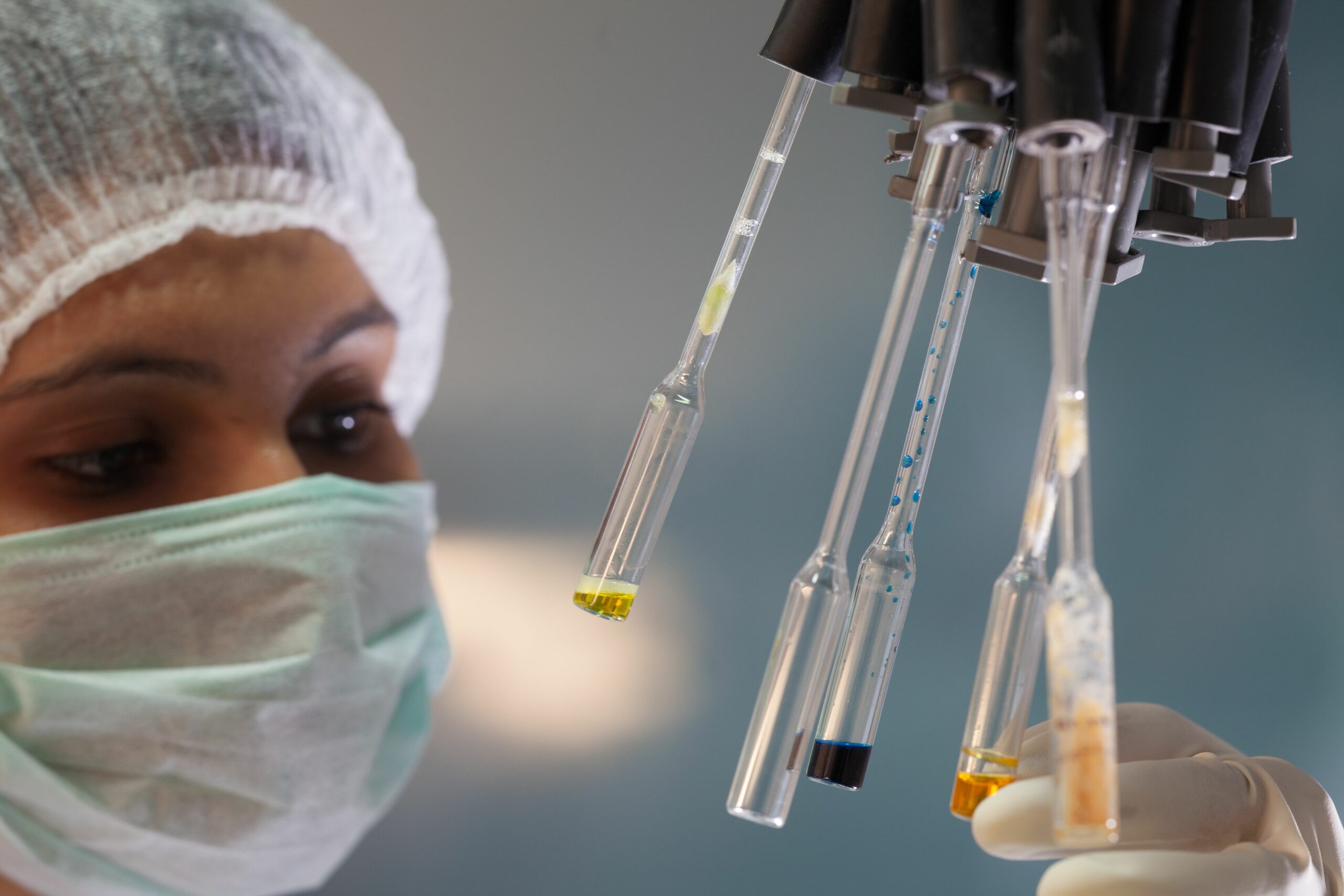
YesWeLab has listed several accredited partner laboratories capable of quantifying this compound. The analysis can be performed in two ways: by direct quantification of amygdalin, generally using liquid chromatography coupled with mass spectrometry (LC-MS/MS) or HPLC, or by indirect quantification via the measurement of released hydrogen cyanide. The choice of method depends on the matrix being analyzed and the objective of the control (specific amygdalin content or total cyanide).
Need to measure amygdalin or cyanogenic compounds in your products? Contact YesWeLab to identify the laboratory and method best suited to your matrix.