1. Introduction and definition
Betanin belongs to the betalain family, a class of water-soluble pigments divided into two main groups: betacyanins (to which betanin belongs) and betaxanthins. It is chemically defined as a heteroside, composed of a glucose molecule bonded to a betadin. This pigment is classified as a natural colorant under the European code E162.
Origin and natural sources
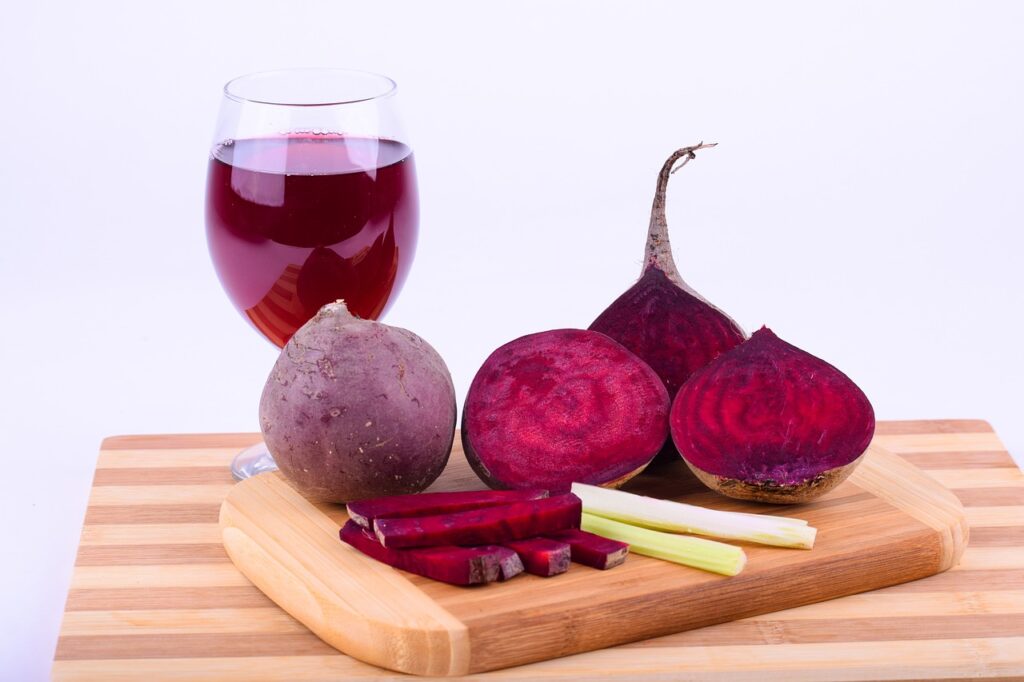
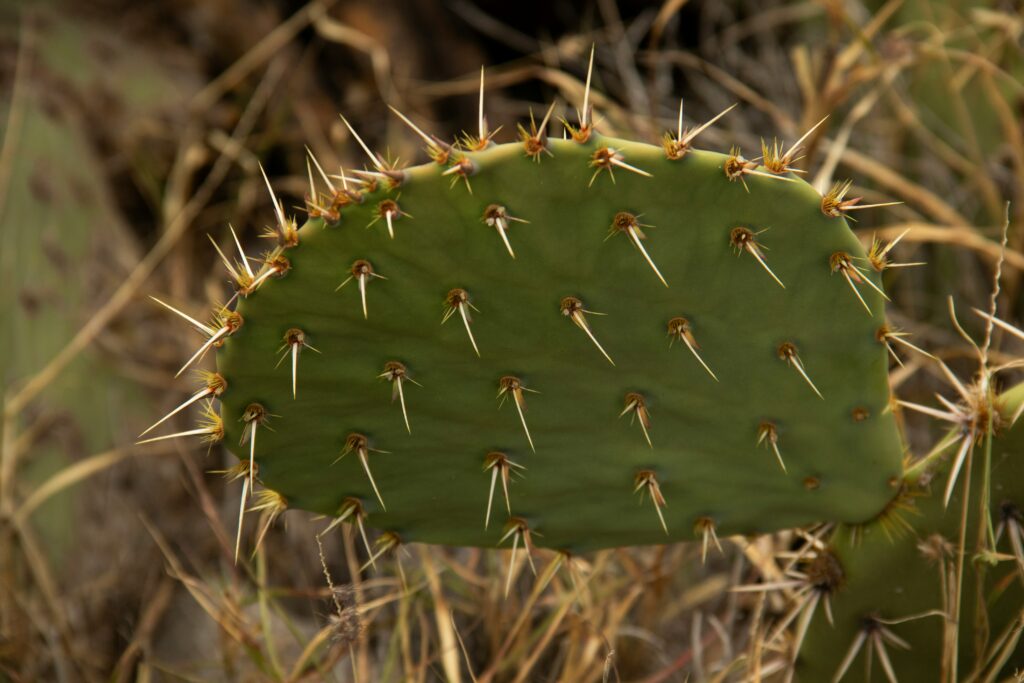
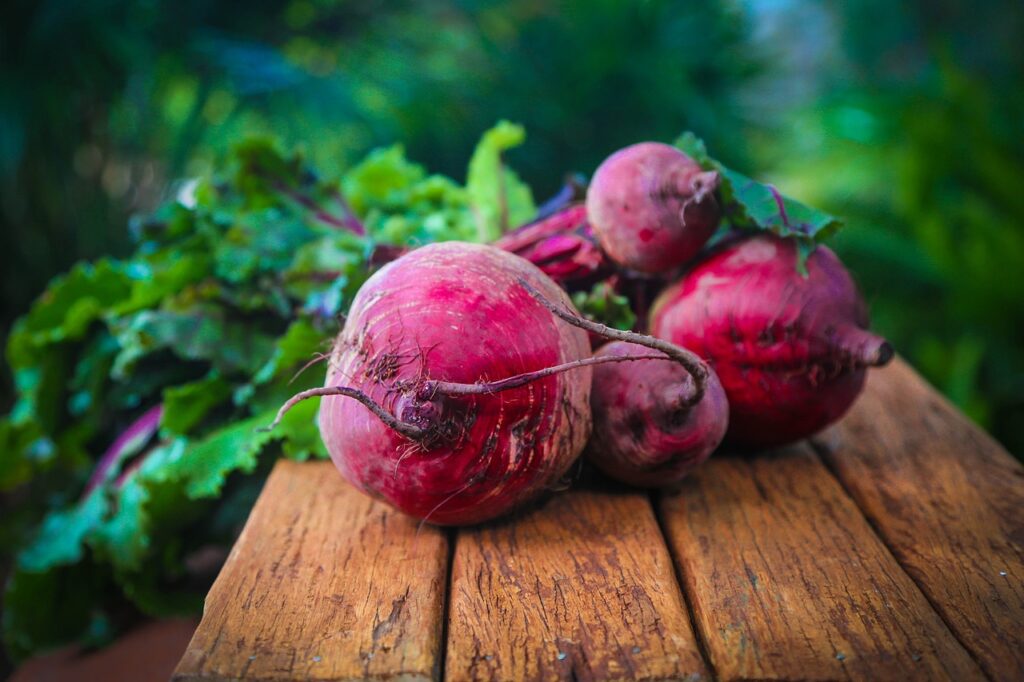
Betanin is primarily extracted from red beet (Beta vulgaris), where it constitutes 75 to 95% of the pigments present. It is also found in other plants such as the prickly pear cactus (Opuntia ficus-indica). These plants produce betanin for natural defense purposes, notably to repel herbivores and protect their tissues from UV damage.
Industrial importance
Betanine is widely used in the food industry as a natural colorant. Its increasing adoption is driven by a growing demand for products free of synthetic additives. In the cosmetics industry, it is valued for its intense color and antioxidant properties, while in biomedical research, it is attracting interest due to its potential to protect cells against oxidative stress.
2. Chemical and physical properties of betanine
Chemical structure
Betanine is a complex organic compound, composed of an aglycone, betadin, linked to a glucose molecule. Its molecular formula is C24H26N2O13, with a molar mass of 550.47 g/mol. This structure gives betanine its water-soluble properties and relative stability in aqueous matrices.
Stability depending on environmental parameters
The stability of betanine varies depending on pH, temperature, and light exposure. At acidic pH (around 4-5), it displays a vibrant red color, while it turns purple at higher pH levels. Prolonged exposure to light, oxygen, or high temperatures leads to its degradation. These characteristics make it a more suitable colorant for frozen products or those with a limited shelf life.
Solubility and interaction with other compounds
Betanine is highly water-soluble, which facilitates its incorporation into aqueous matrices such as juices or gels. However, it can interact with oxidizing or reducing agents, altering its efficacy and color. These interactions must be carefully controlled in industrial formulations.
Optical characteristics
The color of betanine is strongly influenced by its spectral properties. It absorbs light in the visible spectrum, with an absorption peak around 538 nm, giving it its characteristic red hue. This property is exploited in colorimetric analyses to quantify the concentration of betanine in various samples.
3. Natural sources of betanine
Red beetroot: the major source
Red beet (Beta vulgaris) is the main source of betanin, representing up to 95% of the total pigments in the juice extracted from this plant. Betanin is located primarily in the vacuoles of beet cells, where it plays a protective role against oxidative stress.
Other plants rich in betalains
Besides beetroot, plants like the prickly pear cactus (Opuntia ficus-indica) also produce betanin. In this cactus, the pigments are divided between betanin and indicaxanthin, another betalain. These pigments vary in concentration and color depending on the species and environmental conditions.
Influence of growing conditions
The concentration of betanine in plants depends on several factors, including growing conditions, soil composition, light, and temperature. Modern agricultural techniques, such as hydroponics, allow for the control of these variables to optimize betanine production in crops.
Extraction and purification
Betanine is generally extracted from plants using aqueous processes, followed by purification techniques such as ultrafiltration or chromatography. These methods yield high-purity betanine, suitable for the requirements of the food and cosmetics industries.
Are you looking for an analysis?
4. Industrial and commercial applications of betanine
Use as a food coloring
Betanine is widely used as a natural coloring agent in the food under the code E162, often referred to as "beetroot red." Its ability to provide a vibrant red color while being non-toxic makes it a popular choice for products such as:
- Dairy desserts and ice cream.
- Confectionery and bakery products.
- Fruit juices and energy drinks.
However, its sensitivity to heat and light limits its use to frozen products or products with a short shelf life.
Role in the cosmetics industry
In the cosmetics , betaine is used as a pigment in lipsticks, blushes, and skincare products. Its natural origin and antioxidant properties add value to formulations by meeting the growing demand for more environmentally friendly and health-conscious products.
Pharmaceutical applications
Betanine is also being evaluated for medical and pharmaceutical applications. Its antioxidant and anti-inflammatory properties suggest potential benefits for preventing or mitigating oxidative stress in the context of chronic diseases. It could be incorporated into dietary supplements or therapeutic formulations.
Integration into innovative products
New applications for betanine are emerging thanks to its compatibility with bioactive materials. For example:
- In active food packaging, to extend the shelf life of food.
- In textiles, to provide antimicrobial and antioxidant properties.
Limitations and challenges
Despite its many advantages, betaine presents challenges related to its stability. Active research is underway to improve its resistance to light, heat, and alkaline pH, aiming to broaden its range of applications.
This section illustrates the importance of betaine in various sectors and its growing role in the development of innovative and sustainable products.
5. Methods for analyzing betaine
Importance of betanine analysis
Accurate analysis of betanine is essential to guarantee its quality and efficacy, whether in food, cosmetics, or pharmaceutical formulations. Characterizing and quantifying this compound allows us to:
- Comply with regulatory safety standards.
- Optimizing industrial formulations.
- To study its antioxidant properties and biological effects.
Chromatographic techniques
High-performance liquid chromatography (HPLC) is one of the most commonly used methods for analyzing betanine. It offers efficient separation and precise quantification. Combined with UV or MS (mass spectrometry) detectors, this technique allows:
- To detect betanine even at very low concentrations.
- To identify and differentiate its isomers, such as betanine and isobetanine.
UV-Vis Spectroscopy
UV-Vis spectroscopy is often used to assess the concentration of betanine in simple solutions. It relies on the characteristic absorption of betanine in the visible region, which varies with pH:
- Bright red at acidic pH.
- Violet at neutral pH.
- Yellow-brown at alkaline pH.
HS-GC-MS screening for the characterization of associated volatile compounds
For in-depth studies, HS-GC-MS (Headspace-Gas Chromatography-Mass Spectrometry) screening is used to analyze volatile compounds related to the degradation of betanine:
- Samples must be collected in a sealed and inert container.
- The limit of quantification (LOQ) is between 0.1 and 10 mg/L, depending on the compounds.
- The laboratory's internal method ensures high reproducibility and reliability.
Limitations of analytical methods
Although these techniques are powerful, some limitations remain:
- Rapid degradation of betanine can affect the accuracy of measurements.
- The complexity of food or cosmetic matrices can interfere with the results.