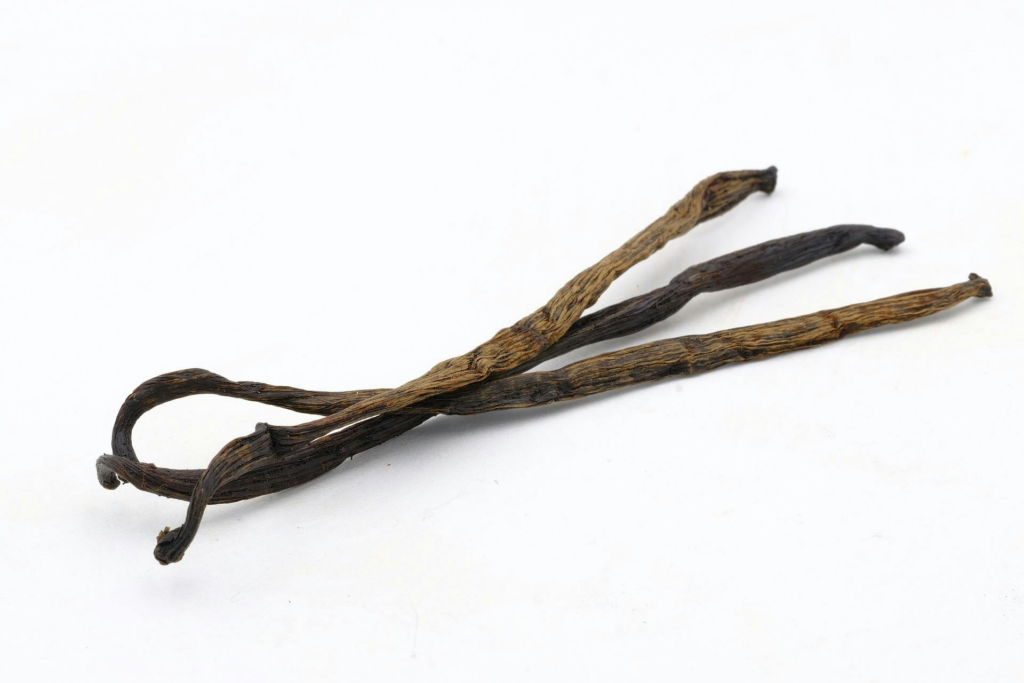
Vanilla is one of the most popular flavors in the world. It is used in many products.
The high demand for vanilla has led to the creation of an industry that produces and supplies this spice globally. However, the authenticity of vanilla has been a concern for manufacturers, given the prevalence of counterfeit vanilla products.
A study conducted by the DGCCRF in 2019 shows that nearly ¼ of the products analyzed are counterfeit.
What are the different types of vanilla fraud?
The authenticity of vanilla can be compromised in several ways, including adulteration, substitution, and artificial flavorings:
Adultery
involves adding other substances to vanilla extract, such as sugar or synthetic vanillin, to enhance its flavor or reduce costsThe substitution
implies the use of other plant extracts or synthetic vanillin as a replacement for real vanilla.Artificial flavoring
involves the use of chemicals to replicate the flavor and aroma of vanilla.
How to limit fraud?
Several organizations have developed standards and regulations for vanilla authenticity, including the International Organization for Standardization (ISO) and the European Union (EU). These organizations set precise criteria for the composition and labeling of vanilla products, ensuring that consumers are informed about the quality and origin of the product they purchase. Various techniques are used to analyze vanilla authenticity:
Sensory evaluation:
Detection of false taste or smell that may indicate adulteration or substitution.
Physico-chemical analyses:
– Chromatography techniques for the identification and quantification of compounds of interest naturally present in vanilla.
– Quantifications of various constituents (vanillin, coumarin, PHB aldehyde, PHB acid, vanillic acid.
Any significant deviation from this composition may indicate the presence of adulterants or substitutes.
DNA tests
Molecular techniques to identify the genetic profile of the vanilla plant and differentiate it from other related species.
This method is particularly useful for identifying the geographical origin of vanilla and detecting any adulteration with other vanilla species.