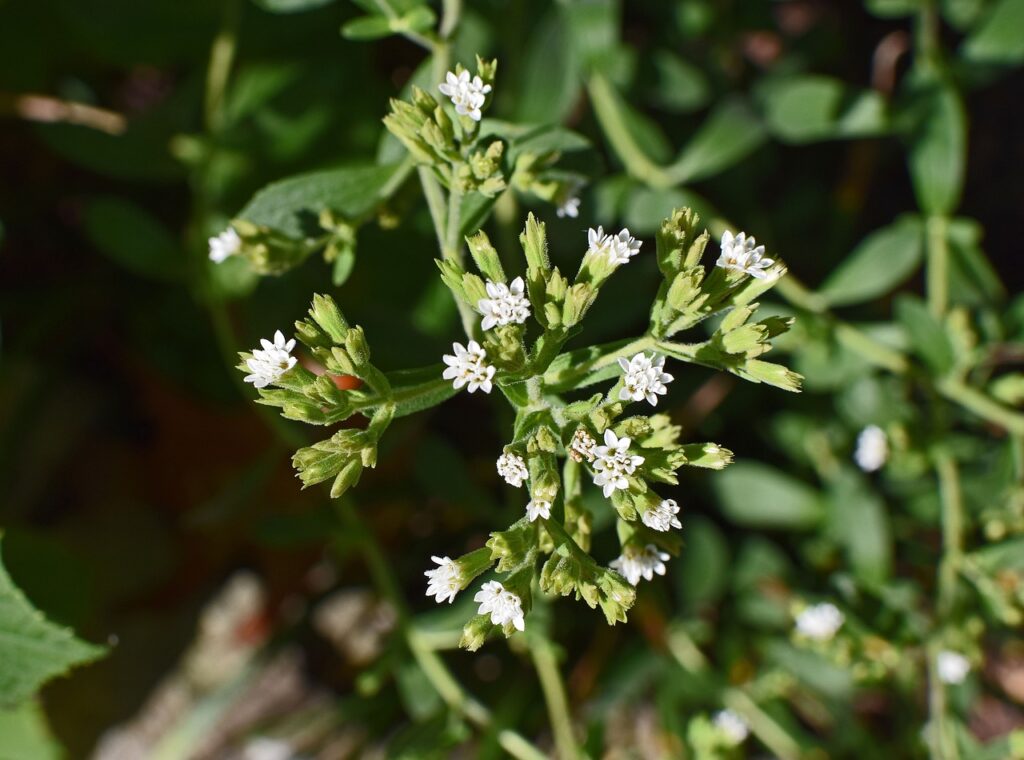
Steviol glycosides, derived from the leaves of the Stevia rebaudiana plant, are natural compounds with remarkable sweetening properties. Increasingly used in the food , cosmetic, and nutraceutical , these molecules offer a natural alternative to conventional sweeteners. This first part explores the scientific and technical basis of steviol glycosides, their origin, chemical composition, and how they differ from other sweeteners.
1. What are steviol glycosides?
Steviol glycosides are chemical compounds naturally present in the leaves of Stevia rebaudiana, a plant native to South America. These molecules belong to the glycoside family, compounds formed by the bonding of a sugar to another non-sugar molecule called an aglycone. The aglycone in steviol glycosides is steviol, a hydrophobic molecule that gives these compounds their sweet taste.
Natural origin of steviol glycosides
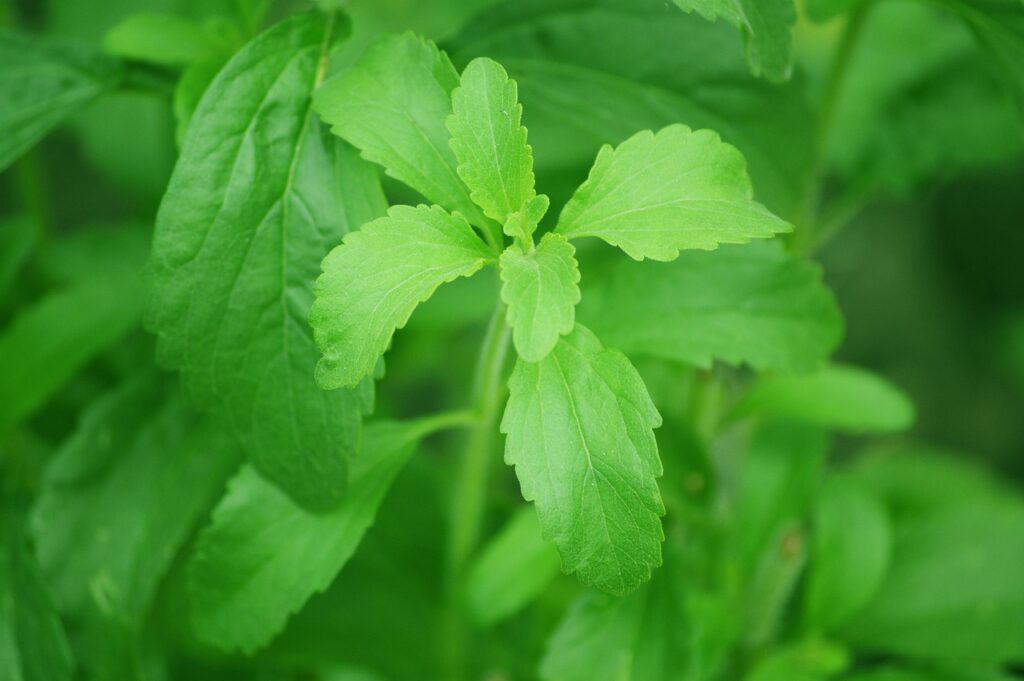
Stevia rebaudiana, sometimes simply called stevia, is cultivated in several regions of the world, including Asia, South America, and Europe. Used for centuries by the indigenous peoples of Paraguay and Brazil, stevia was primarily used to sweeten infusions such as yerba mate. Today, stevia leaves are widely harvested for the industrial extraction of steviol glycosides.
The main steviol glycosides present in the stevia leaf are:
- Stevioside (approximately 5 to 10% of the dry weight of the leaves).
- Rebaudioside A (2 to 4%).
- Other compounds such as rebaudioside C, dulcoside A and rebaudioside M are present in smaller quantities.
A unique chemical structure
Steviol glycosides owe their sweet taste to their unique chemical structure. Their skeleton consists of a steviol nucleus to which one or more sugar groups (glucosides) are attached. This structure allows them to interact with sweet taste receptors on the tongue, but they cannot be metabolized by the human body.
Steviol glycoside, for example, is composed of two glucose molecules linked to the steviol ring, while rebaudioside A contains three glucose molecules. This difference in chemical structure explains the variations in taste between the different glycosides.
Difference with other sweeteners
Unlike polyols such as xylitol or erythritol, steviol glycosides are not sugar alcohols. They belong to a distinct chemical class and are characterized by their complete absence of calories. Furthermore, their sweetening power is exceptional, ranging from 30 to 320 times that of sucrose, depending on the type of glycoside.
A key distinguishing feature is their thermal and chemical stability. Steviol glycosides withstand high temperatures and pH variations, and do not ferment, making them ideal for numerous food and cosmetic applications.
2. Why are steviol glycosides so interesting?
Steviol glycosides are attracting increasing interest due to their unique functional properties and numerous advantages over conventional sweeteners. This section examines in detail their sweetening power, exceptional stability, health impact, and comparisons with other sweetening solutions.
Exceptional sweetening power
Steviol glycosides are renowned for their ability to provide intense sweetness. Depending on the type of glycoside, their sweetening power is estimated to be between 30 and 320 times greater than that of sucrose. This concentration allows for the use of very small quantities in food formulations while still achieving a sweet taste comparable to that of sugar.
Rebaudioside A is one of the sweetest and most sought-after glycosides due to its pleasant taste profile and low bitterness. In contrast, some glycosides, such as stevioside, can have a bitter or licorice-like aftertaste, but these characteristics can be mitigated by blending steviol glycosides with other natural or synthetic sweeteners.
Remarkable thermal and chemical stability
Steviol glycosides possess impressive stability, making them suitable for numerous industrial applications:
- Thermal resistance : They retain their sweetening power at high temperatures, which is ideal for cooked or sterilized products.
- pH stability : These compounds remain effective over a wide pH range, generally between 3 and 9. This makes them compatible with acidic drinks, such as sodas, as well as with more neutral food products.
- Non-fermentable : Unlike sucrose, steviol glycosides do not undergo microbial fermentation, which is an advantage for products that are packaged for the long term.
These properties guarantee optimal integrity of taste and texture of food and beverages, even under prolonged storage conditions.
Minimal impact on health
One of the major advantages of steviol glycosides is their safety, confirmed by numerous scientific studies:
- No calories : Unlike sucrose or fructose, these sweeteners provide no calories, making them suitable for low-calorie diets or people looking to lose weight.
- No glycemic effect : Steviol glycosides do not trigger an insulin response because the human body cannot metabolize them. This property makes them an ideal solution for diabetics.
- Oral health : Unlike sucrose, they do not promote the development of dental caries, which is an additional argument for their use in sweet products.
Comparison with other sweeteners
Steviol glycosides stand out from several other sweeteners on the market:
- Compared to polyols : Unlike sweeteners such as erythritol or xylitol, steviol glycosides do not cause intestinal discomfort even at high doses, because they are not fermented in the digestive system.
- Compared to artificial sweeteners : Compounds like aspartame or sucralose sometimes raise concerns about their potential long-term health effects, which is not the case for steviol glycosides, which are widely considered safe.
- Compared to sucrose : Steviol glycosides offer significant advantages, including reduced calories and improved chemical stability, while retaining a natural sweet taste.
Practical applications for industries
Their unique properties allow for versatile use:
- In beverages : They effectively replace sugar in sodas, iced teas and energy drinks, where their stability at acidic pH is an advantage.
- In bakery and pastry products : Their heat resistance makes them perfect for cakes and biscuits, without altering the taste.
- In food supplements : Their lack of calories and their neutral impact on blood sugar position them as sweeteners of choice for vitamins and supplements.
3. The manufacture of sweeteners based on steviol glycosides
Steviol glycoside-based sweeteners are produced using rigorous industrial processes that extract and purify these natural compounds while preserving their sweetening properties. This section details the various stages of their manufacture, the technologies used, and the distinctions between the types of sweeteners produced.
Extraction of steviol glycosides
The process begins with the harvesting of the leaves of the Stevia rebaudiana plant, which are then subjected to specific processing:
- Aqueous infusion : The leaves are steeped in water to extract the steviol glycosides. This gentle process preserves the natural compounds while minimizing chemical degradation.
- Filtration and separation : The resulting solution is filtered to remove impurities, including leaf residues and other unwanted plant compounds.
This initial process produces a crude solution containing several steviol glycosides, such as stevioside, rebaudioside A, and other glycosides in smaller quantities.
Purification and crystallization
To obtain a high-quality sweetener, the raw solution is then purified:
- Ion exchange resin techniques : These resins allow the separation of steviol glycosides from other compounds present in the extract.
- Purification by chromatography : This high-precision method is used to isolate specific glycosides, such as rebaudioside A or M, according to industrial needs.
- Crystallization : Once purified, steviol glycosides are crystallized to produce a stable final product, ready for use in various applications.
Enzymatic conversion: the case of rebaudioside M
Some sweeteners based on steviol glycosides, such as rebaudioside M (E960c), require an additional enzymatic conversion step:
- Specific enzymes : Extracted glycosides, such as stevioside or rebaudioside A, are modified by natural enzymes to produce rebaudioside M. This transformation improves taste properties by reducing bitterness and enhancing sweetness.
- Precision of the process : This process requires strict control to ensure that the final product meets purity and safety standards.
This step is key to meeting growing market needs, particularly for formulations requiring a sweet taste close to sucrose without an aftertaste.
Differences between sweeteners E960a and E960c
Steviol glycoside-based sweeteners fall into two main categories:
- E960a: steviol glycosides from stevia. These sweeteners are considered natural because they result solely from the extraction and purification of stevia leaves, without chemical or enzymatic modifications.
- E960c: Steviol glycosides obtained by enzymatic means. These sweeteners are modified to produce specific glycosides, such as rebaudioside M. Although not entirely natural, they offer a better taste quality.
These distinctions allow manufacturers to choose the type of sweetener best suited to their formulations, based on consumer expectations and regulatory requirements.
Quality control and compliance with standards
Throughout the manufacturing process, strict controls are carried out to guarantee the quality and safety of the products:
- ISO 17025 standards : Laboratory analyses follow rigorous protocols to verify the purity and concentration of steviol glycosides.
- Compliance testing : Products must meet residue limits, purity levels, and the requirements of European and international regulations.
These controls ensure that the sweeteners produced meet consumer expectations while complying with food safety standards.
Are you looking for an analysis?
4. Regulation and safety of steviol glycosides
Steviol glycosides, as natural sweeteners, are subject to strict regulations worldwide to ensure their safety and use in food and other consumer products. This section examines international standards, scientific assessments, and established consumption limits for these compounds.
Scientific safety assessment
Steviol glycosides have been evaluated by several scientific and regulatory bodies to confirm their safety for human consumption:
- EFSA (European Food Safety Authority) : In 2010, EFSA's ANS Panel published a comprehensive assessment of steviol glycosides. It concluded that they are neither genotoxic, nor carcinogenic, nor associated with adverse effects on human reproduction or development.
- JECFA (Joint FAO/WHO Expert Committee on Food Additives) : Between 2000 and 2009, JECFA conducted several toxicological studies, establishing an acceptable daily intake (ADI) for steviol glycosides of 4 mg/kg body weight per day.
- Toxicological studies : Tests carried out on animals in vitro and in vivo have shown that steviol glycosides are metabolized into steviol, their common metabolite, before being excreted without accumulation in the body.
The acceptable daily intake (ADI)
The ADI of 4 mg/kg of body weight per day, expressed in steviol equivalents, is a key reference in the regulation of steviol glycosides:
- Origin of the ADI : It is based on the absence of harmful effects observed during a two-year study on rats exposed to high doses.
- Exposure monitoring : Estimates show that the ADI could be exceeded in some populations (children and adults) when the proposed maximum usage levels are applied. This underscores the importance of monitoring the amounts used in formulations.
European regulations
In the European Union, steviol glycosides are regulated as food additives under the code E960. Their use is subject to strict conditions defined by EC Regulation No. 1333/2008:
- Categories of food allowed : Sugar-free drinks, baked goods, confectionery, desserts, food supplements, among others.
- Maximum usage limits : Ceilings are set according to food categories in order to limit the risk of exceeding the ADI.
- Recent amendments : Since 2021, glycosides obtained via enzymatic means, such as rebaudioside M (E960c), have been incorporated into the regulations, expanding the options for manufacturers.
International regulations
Recognition of steviol glycosides extends beyond the borders of the European Union:
- United States : Steviol glycosides have been classified as "Generally Recognized as Safe" (GRAS) by the FDA since 2008.
- Asia and South America : Japan, South Korea and Brazil are among the first countries to have approved these sweeteners as safe natural substances.
- Australia and New Zealand : Authorized since 2008, steviol glycosides are widely used in low-sugar foods and beverages.
5. Applications of steviol glycosides
Steviol glycosides are distinguished by their versatility and adaptability to numerous industrial formulations. Thanks to their unique properties, they are widely used in the food, cosmetic, and nutraceutical sectors, offering natural and effective solutions to meet consumer expectations and regulatory requirements.
Use in the food industry
Steviol glycosides play a crucial role in the development of low-sugar or sugar-free food
- Sugar-free beverages : They are frequently used in sodas, iced teas, and energy drinks. Their stability in acidic pH allows them to maintain a consistent taste even in complex formulations.
- Bakery and pastry products : Due to their heat resistance, they are ideal for cookies, cakes, and other baked goods. They allow you to reduce calories without compromising on sweetness.
- Dairy products and frozen desserts : They improve the sweetness profile of yogurts, ice creams and mousses, while respecting health expectations.
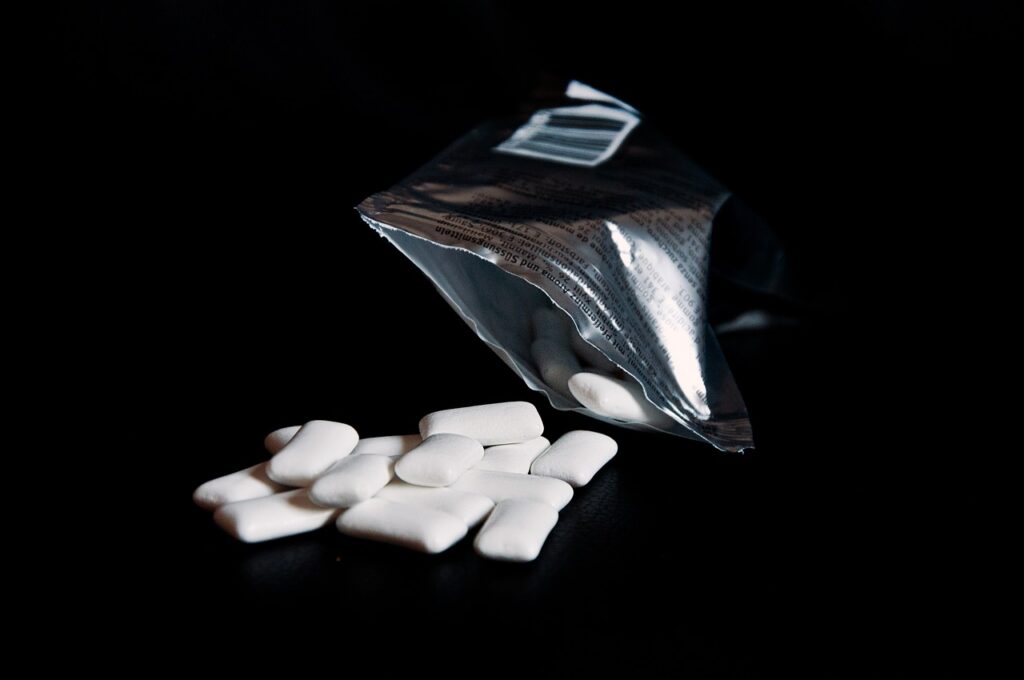
- Confectionery and chewing gum : Their chemical stability makes them perfect for these applications, especially for reducing sugars while maintaining a long shelf life.
Applications in cosmetics
In the cosmetics , steviol glycosides are valued for their sweetening and stabilizing properties:
- Oral care products : They are found in toothpastes and mouthwashes for their ability to offer natural softness while preventing dental caries.
- Sugar-free cosmetics : Used in certain formulations such as lip balms and moisturizers, they help to improve the taste and texture of the products.
- Emulsion stabilization : Their chemical stability helps to extend the shelf life of formulations, ensuring consistent performance.
Role in dietary supplements
Steviol glycosides are particularly suitable for food supplements due to their caloric neutrality and their zero glycemic impact:
- Products for diabetics : They are used in specific supplements for people seeking to regulate their blood sugar.
- Vitamin supplements : They allow for the addition of a pleasant sweetness without interfering with the active formulations.
- Proteins and sports products : Their sweetening power improves the sometimes bitter tastes of protein powders and energy drinks, without adding calories.
Integration into innovative formulations
The food and cosmetics industries are also experimenting with innovative formulations using steviol glycosides:
- Functional products : Steviol glycosides are combined with active ingredients to offer enriched nutritional solutions.
- Fiber-enriched foods : Their chemical stability makes them compatible with functional foods such as cereal bars, where they improve taste and texture.
- Organic foods : As a natural product, they are used in organic and environmentally friendly formulations.
Economic and environmental advantages
In addition to their industrial applications, steviol glycosides offer economic and environmental advantages:
- Reduction of production costs : Their high sweetening power allows very small quantities to be used, thus reducing the need for raw materials.
- Sustainability : Stevia rebaudiana cultivation requires fewer resources than sugar production, making it a more environmentally friendly solution.
- Responding to consumer demand : With evolving expectations towards healthier and more natural products, steviol glycosides allow manufacturers to respond to market trends while respecting regulatory constraints.
6. Laboratory analysis of steviol glycosides
Laboratory analysis of steviol glycosides is essential to guarantee their quality, purity, and compliance with regulatory standards. These analyses also allow for monitoring their concentration in various food and non-food matrices, thus ensuring consumer safety and product reliability.
Analytical techniques used
Several analytical methods are used to quantify and characterize steviol glycosides in samples. Among the most common are:
High-performance liquid chromatography (HPLC-UV) :
- This method is widely used to separate and identify different glycosides, such as stevioside and rebaudioside A.
- It offers high accuracy and a low limit of quantification, often less than 0.1 mg/kg, making it ideal for analyses in complex matrices such as beverages or confectionery.
Spectrophotometry :
- By measuring the absorption of light by a sample solution, this method allows a rapid estimation of the overall concentration of glycosides.
- Although less specific than HPLC, it provides a complementary approach for routine controls.
Enzymatic methods :
- These techniques are used to identify and quantify specific glycosides, such as rebaudioside M, after enzymatic conversion.
- They allow for the evaluation of the purity and conformity of sweeteners produced by enzymatic means.
Practical examples of analysis
Steviol glycosides are analyzed in a variety of matrices to meet the needs of the food, cosmetics, and pharmaceutical industries. Examples:
- Dosage in food flavorings :
- For example, in an aqueous solution of honey aroma, stevioside and rebaudioside A can be measured with a limit of quantification of 0.1 mg/kg using HPLC-UV.
- Stability tests :
- These analyses assess the persistence of steviol glycosides in products subjected to varying thermal or pH conditions, ensuring their effectiveness in complex formulations.
- Contaminant detection :
- The laboratories carry out tests to ensure the absence of undesirable residues, such as solvents or heavy metals, in accordance with safety standards.
The role of analysis in regulatory compliance
Laboratory testing plays a crucial role in ensuring that products containing steviol glycosides comply with applicable regulations:
- Compliance with maximum permitted limits :
- The analyses make it possible to verify that the concentrations of glycosides in food or beverages comply with the limits established by European legislation.
- Label validation :
- Laboratories contribute to the authenticity of claims, such as "zero calories" or "no added sugar", by precisely measuring the levels of glycosides present.
- Export and international compliance :
- The results of the analyses guarantee that the products also meet international standards, such as those of the FDA in the United States or Japanese regulations.