Lignans, found in many plants, are phenolic compounds particularly interesting for their antioxidant and phytoestrogenic properties. Often confused with lignins, they play specific biological roles and are associated with various benefits for human health. Let's explore what lignans are, their composition, and their unique characteristics.
1. What are lignans?
Definition and chemical structure
Lignans are chemical compounds formed by the linkage of two monolignol units, which are molecules derived from phenylpropane. This specific linkage, often at the beta carbons of their side chain (8-8' linkage), gives lignans a unique dimeric structure. These compounds are distinct from lignin, a complex polymer that structures plant cell walls.
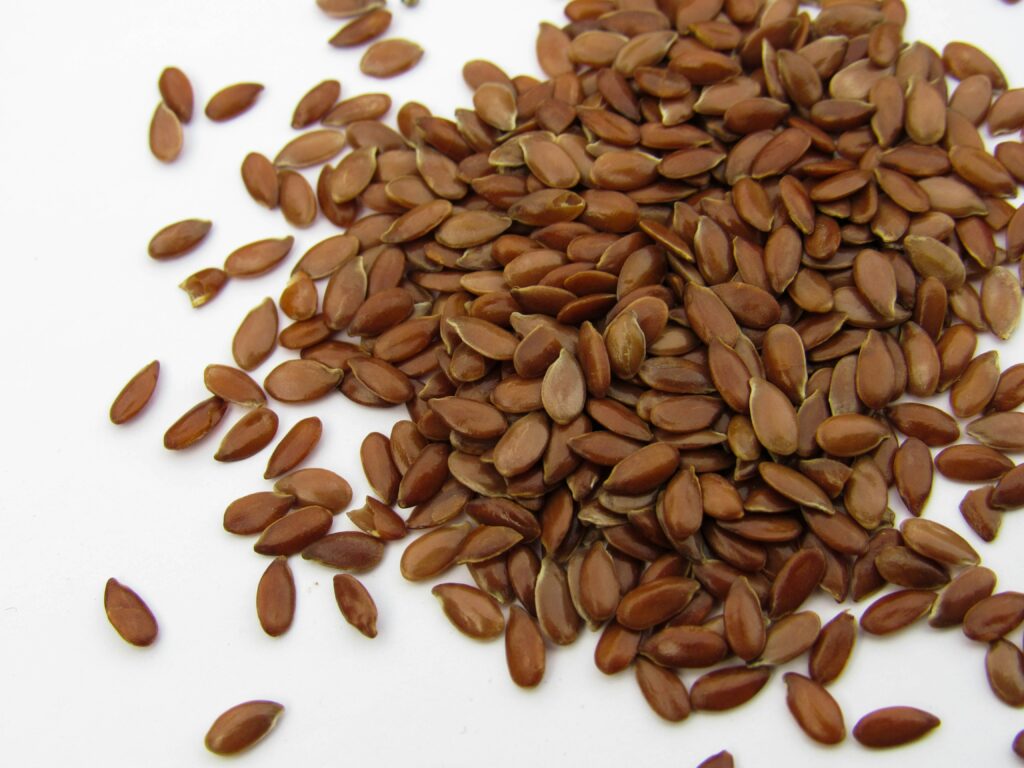
These phenolic compounds belong to the family of secondary metabolites, meaning substances produced by plants that are not essential to their basic metabolism but are often crucial for their defense and survival. Among the most common lignans are secoisolariciresinol and matairesinol, found notably in flax seeds.
Biological role in plants
In plants, lignans play several essential roles:
- Defense against aggressors : Lignans possess antifungal, antibacterial and insecticidal properties, contributing to the protection of plants.
- Protection against environmental stresses : Their antioxidant activity protects plants from damage related to ultraviolet rays and oxidation.
- Stabilization of lignified tissues : Although distinct from lignin, lignans are found in certain lignified tissues, strengthening the structure of plants.
Lignan classification
Lignans are classified into several groups according to their chemical structure, which depends on the type of bonding between the monolignol units and post-dimerization modifications. The main groups include:
- Dibenzylbutanes : Simple and linear structure.
- Butyrolactones : Presence of a lactone ring, as in podophyllotoxin.
- Arylnaphthalenes : Complex structures found in medicinal plants.
- Furanofuran lignans : Two furan rings linked by a dimeric structure.
Difference between lignans and lignins
Although lignans and lignins share a common precursor (monolignoles), their functions and structures differ significantly. Lignins are branched polymers essential for rigidity and water transport in plants, while lignans, as dimers, are involved in specific biochemical and ecological functions.
2. Where can lignans be found?
Lignans, although specific compounds, are found in a wide variety of plants. Their presence varies depending on the plant species, the plant parts, and environmental conditions. Understanding where these compounds are found allows us to better understand their importance in nutrition and their role in nature.
Plant sources of lignans
Lignans are found primarily in higher plants. These compounds are present in:
- Seeds : Flax and sesame seeds are among the richest sources of lignans. Lignans in these seeds, such as secoisolariciresinol diglucoside (SDG), represent up to 3% of the dry weight in flax.
- Roots and rhizomes : Some plants, such as Podophyllum peltatum , a species from North American forests, contain specific lignans in their underground parts, including podophyllotoxin, a compound used in pharmacology.
- Wood : Lignans are also present in the heartwood of several species, although they are distinct from the lignins that dominate the cell walls.
Foods rich in lignans
Lignans are found in several common food categories, but in varying amounts. Here are a few examples:
- Seeds : Flax is the richest food source, followed by sesame.
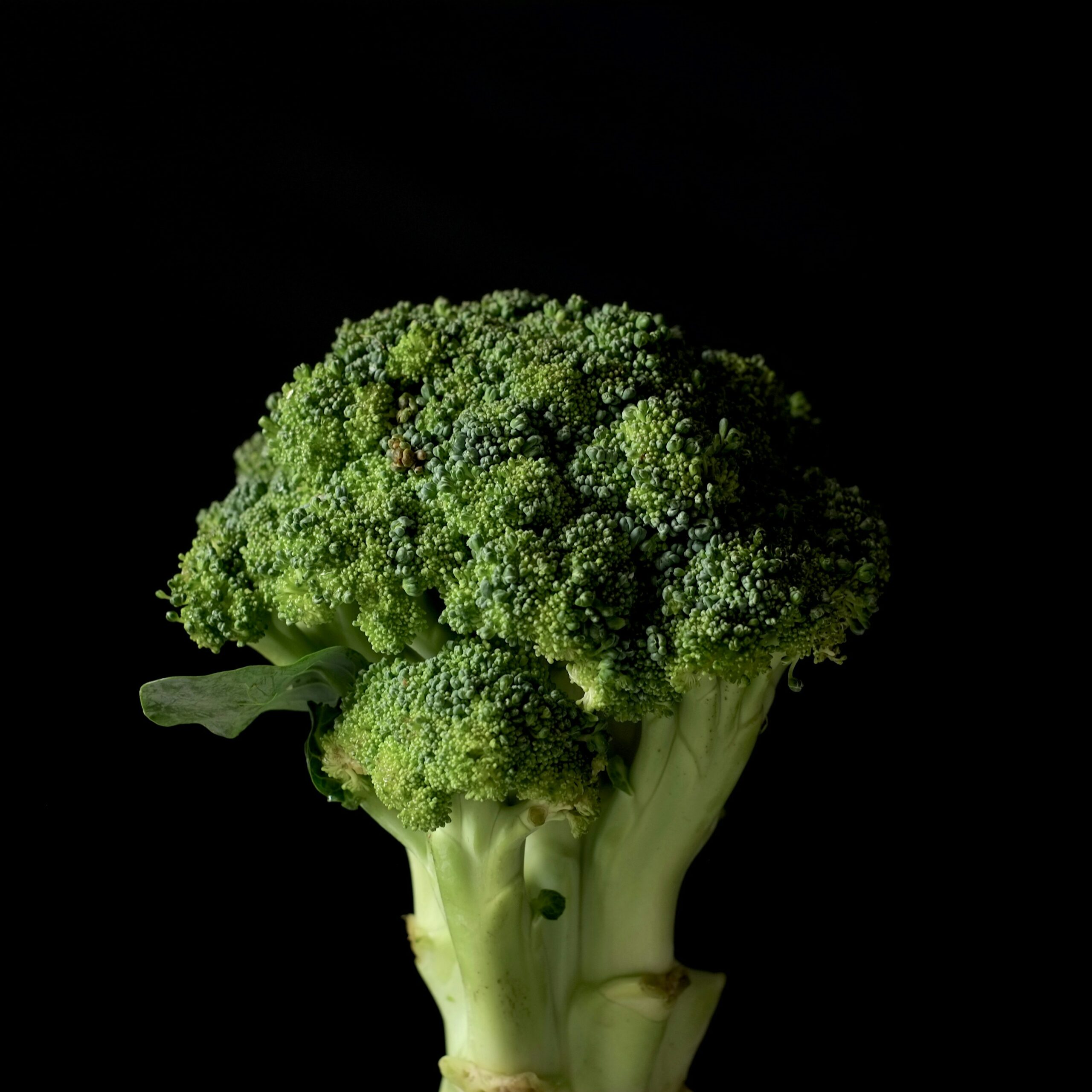
- Vegetables : Broccoli, Brussels sprouts, carrots and spinach contain modest amounts.
- Fruits : Apricots, strawberries and berries, such as blackberries and blueberries, also contain it.
- Cereals : The hulls of certain whole grains, such as rye, provide a significant amount.
- Beverages : Tea, coffee and red wine also contribute to lignan intake.
Variability depending on the plants and environmental conditions
Lignan concentrations vary not only from species to species, but also according to factors such as:
- Plant maturity : Contents can change during the plant's life cycle.
- Environmental conditions : Exposure to stress, such as insect attacks or UV light, can stimulate lignan production in some species.
The importance of lignans in human nutrition
The consumption of lignans through food is a major source of phytoestrogens in vegetarian and Mediterranean diets. These compounds are metabolized in the intestine into enterolactone and enterodiol, bioactive metabolites that play a key role in their beneficial health effects. However, dietary intake varies considerably depending on eating habits: populations consuming few grains and whole cereals often have lower intakes.

3. The health benefits of lignans
Lignans are generating increasing interest due to their numerous health benefits. These phenolic compounds, thanks to their specific biological properties, play an important role in the prevention and treatment of certain chronic diseases. Here's how lignans contribute to improving our well-being.
Powerful antioxidant properties
Lignans are powerful antioxidants, capable of neutralizing free radicals responsible for oxidative damage in cells. This damage is linked to premature aging and the onset of degenerative diseases such as neurodegenerative diseases and cancer.
- Cellular protection : By reducing oxidative stress, lignans help to preserve the integrity of cell membranes and protect DNA against mutations.
- Cumulative effect : Combined with other antioxidants found in fruits and vegetables, lignans contribute to a synergistic effect that is beneficial for overall health.
The phytoestrogenic effects of lignans
A unique characteristic of lignans is their ability to interact with estrogen receptors, thanks to their chemical structure being similar to sex hormones.
- Hormonal regulation : Lignans, after being metabolized into enterolactone and enterodiol in the intestine, act as selective estrogen receptor modulators (SERMs). This allows them to regulate hormonal activity in a balanced way.
- Benefits for menopausal women : By weakly mimicking the effect of estrogens, lignans may reduce some symptoms of menopause, such as hot flashes, although studies remain inconsistent on their actual effectiveness.
- Prevention of hormone-dependent cancer : Some studies suggest that lignans could reduce the risk of breast and prostate cancers by inhibiting the growth of tumor cells.
Prevention of cardiovascular diseases
Lignans also contribute to cardiovascular health through several mechanisms:
- Cholesterol reduction : Lignans, particularly those found in flax seeds, contribute to lowering LDL cholesterol (bad cholesterol) levels and improving the HDL/LDL ratio.
- Anti-inflammatory effects : By reducing systemic inflammation, lignans protect blood vessel walls and decrease the risk of atherosclerotic plaque formation.
- Improvement in blood pressure : Some studies, such as the PREDIMED cohort, show a positive correlation between high lignan consumption and better regulated blood pressure.
A potential role in cancer prevention
The anticancer properties of lignans have been studied for several types of cancer:
- Hormone-dependent cancers : Lignans appear to inhibit the growth of cancer cells in estrogen-sensitive cancers, such as breast and uterine cancer.
- Digestive cancers : By acting on the intestinal microbiota, lignans contribute to the reduction of chronic inflammation in the intestine, a key factor in the prevention of colorectal cancers.
- Mechanisms of action : These effects are attributed to their antioxidant and anti-inflammatory properties and their ability to modulate the expression of genes involved in cell proliferation.
Clinical data and recommendations
Clinical research on lignans shows promising results, although large-scale studies are still needed to confirm their effectiveness.
- Recommended intake : A daily intake of 1 to 2 grams of lignans, mainly from flax seeds, is considered beneficial.
- Consumption in Mediterranean diets : Populations following diets rich in plants (seeds, whole grains, fruits) show higher intakes of lignans and better cardiovascular health.
Are you looking for an analysis?
4. Scientific analysis of lignans in the laboratory
Lignan analysis is essential for understanding their composition, bioavailability, and effects in various contexts, including the food, nutraceutical, and cosmetic industries. The techniques used allow for precise detection of these compounds and guarantee their quality and regulatory compliance.
Importance of lignan analysis
Lignan analysis is crucial for several reasons:
- Quality control : In food products, food supplements and cosmetics, it is necessary to guarantee the quality of raw materials and to validate claims relating to lignans.
- Research and development : Studies on lignans require accurate data to understand their biological effects and optimize their extraction.
- Regulatory compliance : Products containing lignans must meet local and international regulatory standards, particularly regarding food safety and labeling.
Common analysis methods
Lignans, although complex molecules, can be analyzed using advanced techniques that guarantee accurate identification and quantification.
High-performance liquid chromatography (HPLC)
HPLC is one of the most commonly used techniques for analyzing lignans. This method allows for the separation, identification, and quantification of lignans present in a sample.
- Technical details : Detection is generally performed using a UV detector, suitable for phenolic compounds. The limit of quantification (LOQ) for lignans, such as in linseed oil, is often around 0.05 mg/g.
- Applications : Used for various matrices, such as seeds, vegetable oils and food supplements.
Gas chromatography coupled with mass spectrometry (GC-MS)
GC -MS is particularly useful for the analysis of volatile compounds derived from lignans.
- Example of application : The analysis of podophyllotoxin and its derivatives in plant extracts.
- Details of the method : Sampling is carried out on suitable supports, packaged in airtight and inert containers. The limit of quantification (LOQ) varies from 0.1 to 10 mg/L depending on the compounds.
Spectrophotometric techniques
UV-Vis spectrophotometry-based methods are used for the overall quantification of phenolic compounds, including lignans. Although less specific than HPLC, they offer a rapid and cost-effective approach.
Example of practical analysis
A typical example is the analysis of lignans in linseed oil, which is rich in secoisolariciresinol diglucoside (SDG).
- Method used : HPLC with UV detection.
- Expected result : Accurate quantification of lignans at a minimum detectable concentration of 0.05 mg/g.
- Applications : Validation of nutritional intake and guarantee of the quality of the final product.
Challenges and perspectives in lignan analysis
Despite technological advances, some challenges remain:
- Complexity of matrices : Foods and plant extracts often contain compounds similar to lignans, making their separation difficult.
- High costs : Advanced analyses, such as GC-MS, require expensive equipment and specialized laboratories.
However, advances in analytical techniques, particularly with the coupling of chromatography to mass spectrometry, offer promising prospects for even more precise and accessible analysis of lignans.
5. Lignans and industrial applications
Lignans are not limited to their role in food or human health. These phenolic compounds also find applications in various industrial sectors, where their antioxidant, antimicrobial, and phytoestrogenic properties are utilized.
Use in the food industry
In the food industry, lignans are valued for their beneficial effects on health and their functional role.
- Food fortification : Lignans, primarily extracted from flax and sesame seeds, are incorporated into food products to improve their nutritional profile. Breads, cereals, and energy bars enriched with lignans are increasingly popular.
- Product preservation : Thanks to their antioxidant properties, lignans extend the shelf life of lipid-rich products by limiting their oxidation.
- Animal health regulation : Lignans are used in animal feed to improve the hormonal and cardiovascular health of livestock.
Role in nutraceuticals
nutraceutical sector uses lignans to develop dietary supplements targeting specific needs.
- Flaxseed-based supplements : These products aim to reduce menopausal symptoms, improve cardiovascular health, and prevent certain cancers.
- Combination formulations : Lignans are often combined with other antioxidants, such as vitamins C and E, to offer comprehensive preventive health solutions.
Applications in cosmetics
cosmetic formulations .
- Skin protection : Lignans are used to reduce damage caused by UV rays and prevent skin aging.
- Product stability : Their ability to limit oxidation improves the durability of formulations, particularly in creams and serums.
Pharmaceutical research
The antimitotic properties of certain lignans, such as podophyllotoxin, make them valuable candidates in the development of anticancer drugs.
- Existing treatments : Etoposide, a semi-synthetic derivative of lignans, is commonly used to treat lung cancers and lymphomas.
- Future prospects : Research is exploring other lignans for their antiviral, antimicrobial and hepatoprotective potential.