
PFAS Analysis: French and European Regulations 2026
Per- and polyfluoroalkyl substances (PFAS) now occupy a central place in regulatory, scientific and industrial debates in Europe.
Per- and polyfluoroalkyl substances (PFAS) now occupy a central place in regulatory, scientific and industrial debates in Europe.

Introduction Combustible powders and dusts represent a major ATEX risk in many industrial sectors handling powdered materials,

In November 2025, the National Assembly voted on an amendment to make the display of the Nutri-Score mandatory on the majority of

The assessment of skin and eye irritation is an essential step in the safety of chemical substances, cosmetics, biocides,
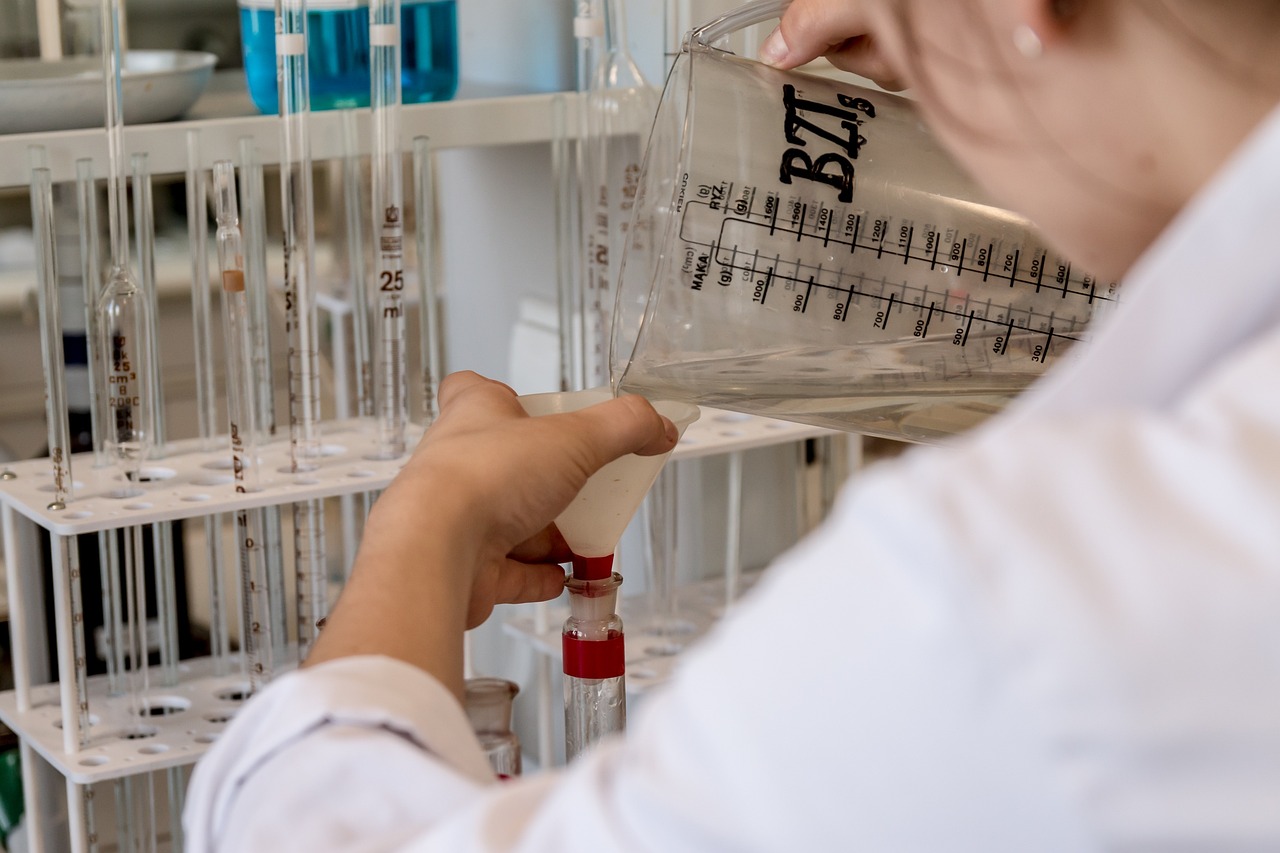
OECD acute toxicity tests are an essential step in assessing the safety of chemical substances. These studies

Assessing skin corrosion is a crucial issue for the safety of chemical, cosmetic, detergent, and pharmaceutical products

The OECD 408 test is a reference method for assessing the effects of prolonged oral exposure to a substance

The shelf life of a food product is a key issue for manufacturers in the agri-food sector. It defines the

Terrestrial ecotoxicology aims to assess the effects of chemical substances on soil organisms, which are essential for the proper functioning of

Cordycepin, or 3'-deoxyadenosine, is a bioactive compound isolated from fungi of the genus Cordyceps, known for its anticancer and antiviral properties

The glycemic index (GI) is an indicator used to classify carbohydrate-containing foods according to their ability to raise blood sugar levels

Formaldehyde is a reactive and volatile chemical compound ubiquitous in industry due to its binding properties,

OECD 109 designates a standardized analytical procedure, essential for determining the density of liquids and solids. This procedure makes

The OECD 110 test is a reference method used in chemical regulation. It allows

OECD method 102 allows for the determination of the temperature at which a substance changes from a solid to a liquid state

The OECD 101 test, or “UV-VIS Absorption Spectra”, is a standardized method for measuring the absorption of light by

OECD guidelines refer to standardized experimental protocols, developed by the Organisation for Economic Co-operation and Development, to provide a framework for

Mycotoxin adsorption refers to the passage of these fungal toxins, present in contaminated food, through the intestinal wall

Sanger sequencing and NGS (next-generation sequencing) are two DNA analysis methods that allow for the precise identification of

Rancimat is an accelerated analysis method for measuring the oxidation stability of fats and oils. It consists of

Gas chromatography coupled with a flame ionization detector, better known as GC-FID,

Used for millennia in traditional medicines, fulvic and humic acids are attracting increasing interest in the fields

NBPT, or N-(n-butyl) thiophosphoric triamide, is a urease inhibitor used to limit nitrogen losses after urea application. Faced with

Deformulation, or reverse engineering, is an analytical approach that involves analyzing a finished product to identify its
