Phycocyanin is a natural blue pigment increasingly used in the food, cosmetics, and dietary supplement industries. Primarily derived from spirulina, a cyanobacterium cultivated for its nutritional properties, this molecule is noteworthy for its dual nature: an intense plant-based colorant and an active ingredient with proven biological effects. Understanding the structure, applications, and analytical methods of phycocyanin is essential for manufacturers in the nutraceutical, food , and cosmetics to ensure the quality, stability, and compliance of their products.
YesWeLab supports manufacturers in phycocyanin analysis through its network of specialized laboratories and its digital platform dedicated to managing analyses.
Table of Contents
What is phycocyanin?
Scientific definition
Phycocyanin is a pigmented protein belonging to the phycobiliprotein , water-soluble molecules found in certain algae and cyanobacteria. Its name comes from the Greek words phyco (alga) and cyanos (blue), referring to its characteristic color. It is one of the components of the phycobilisome , a complex protein structure responsible for capturing light for photosynthesis.
Unlike fat-soluble pigments such as chlorophyll or carotenoids, phycocyanin is water-soluble , making it particularly suitable for aqueous formulations in cosmetics and beverages. It is also distinguished by a maximum light absorption around 620 nm , which allows it to be detected and quantified by spectrophotometry.
Biological structure and function
Phycocyanin is composed of α and β subunits , each linked to a phycocyanobilin-type chromophore intense blue color . It is located in the internal membranes of cyanobacteria, specifically in the thylakoids, and plays a key role in capturing solar energy .
The process involves transferring captured light energy to chlorophyll a , the central pigment of photosynthesis. This function makes phycocyanin essential for the survival of cyanobacteria in low-light environments, particularly in deep waters.
Difference between phycocyanin and allophycocyanin
Although belonging to the same family, phycocyanin (PC) and allophycocyanin (APC) exhibit notable differences, particularly in spectroscopic and functional characteristics. Phycocyanin primarily absorbs light around 620 nm , while allophycocyanin absorbs more towards 650–660 nm .
Phycocyanin acts as the first link in the light energy transfer cascade, while allophycocyanin is closer to chlorophyll. It receives energy from phycocyanin and then transfers it to chlorophyll a. These differences are also visible to the naked eye: phycocyanin is bright blue , while allophycocyanin is more of a blue-green .
In an analytical context, these spectral variations allow the two proteins to be measured separately using spectrophotometry, a preferred method for their quantification in plant extracts, particularly those derived from spirulina.
Origin, extraction and available forms
Natural springs
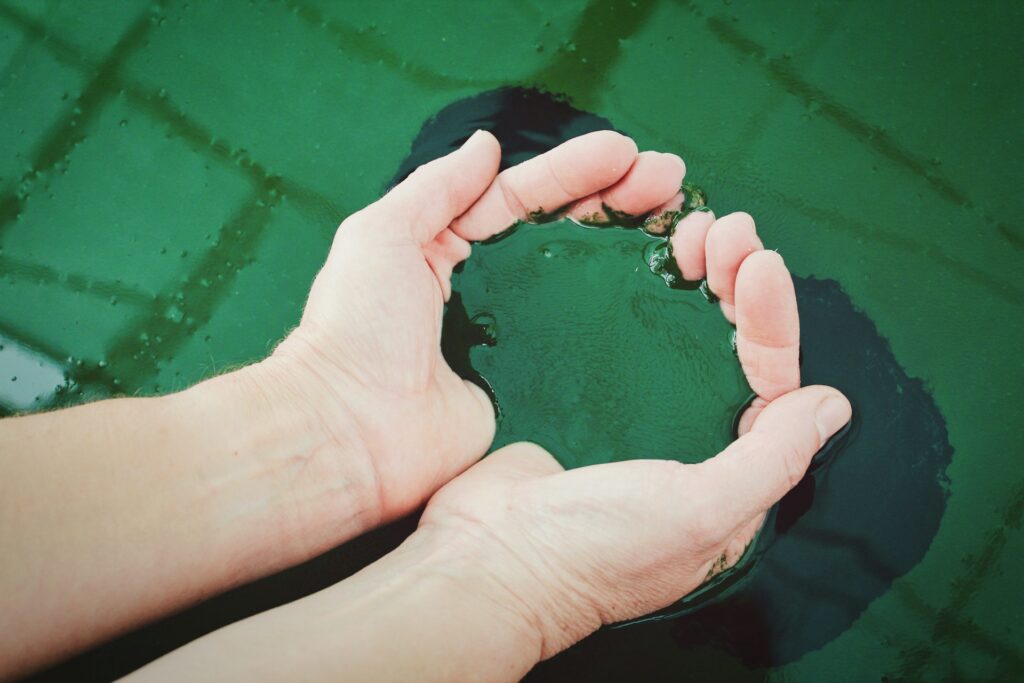
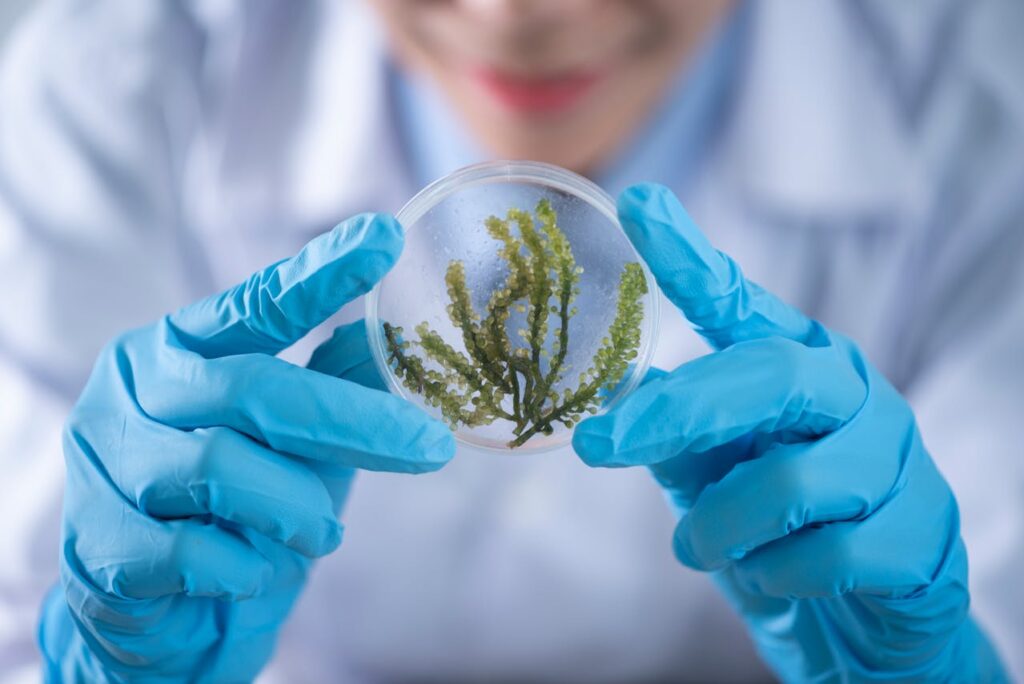
Phycocyanin is primarily extracted from cyanobacteria , also known as microalgae, the best-known of which is spirulina (Arthrospira platensis) . This cyanobacterium is cultivated on a large scale in open ponds or photobioreactors under optimized temperature, light, and pH conditions. It is also present in other species such as Aphanizomenon flos-aquae , but spirulina remains the most widely used due to its yield, stability, and safety.
Cyanobacteria phycocyanin to capture solar energy and survive in low-light environments. This pigment allows them to live in nutrient-rich waters, sometimes in extreme environments, which explains their high concentration of bioactive compounds.
Extraction methods
Phycocyanin extraction is a crucial step to ensure its purity, stability, and performance in end applications. The protocol varies depending on the desired quality (food, cosmetic, or analytical), but generally follows these steps:
- Cell lysis : spirulina cells are broken down mechanically (high-pressure homogenization, ultrasound) or by osmosis in order to release their contents.
- Aqueous extraction : phycocyanin, being water-soluble, is extracted in pure water at controlled temperature.
- Clarification : centrifugation helps to remove cellular debris.
- Concentration and purification : depending on the desired quality, different techniques are used:
- Ultrafiltration (membranes)
- Ethanol precipitation
- Ion-exchange chromatography
- Freeze-drying for powder forms
Extraction yield depends on many factors: strain used, culture method, culture age, and processing conditions. Food-grade phycocyanin typically contains around 15 to 20% pure protein , while higher grades can reach over 40% purity (analytical or cosmetic grade).
Forms of industrial use
Depending on the intended applications, phycocyanin is available in different pharmaceutical forms and concentrations:
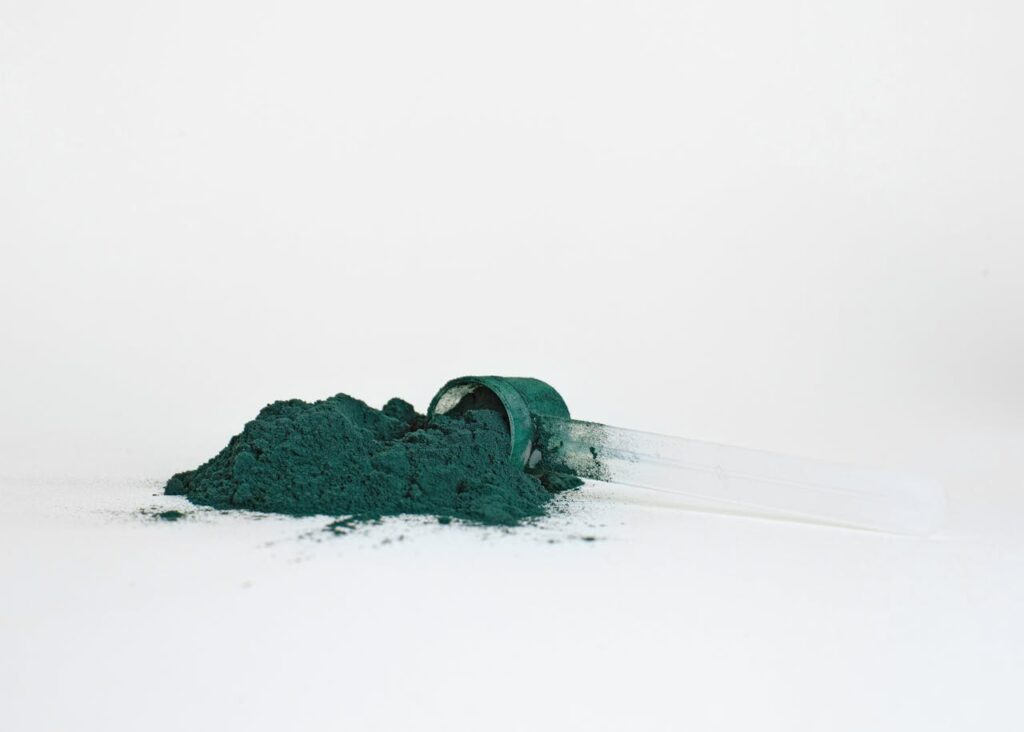
- Soluble blue powder : the most common form, used in food colorings, capsules, drinks, or cosmetic creams.
- Liquid extract : more practical for aqueous formulations, especially in gels or lotions.
- Encapsulation : Some controlled-release formulations use encapsulation techniques (liposomes, polymers) to protect phycocyanin from light, oxygen, and heat.
The stability of phycocyanin is a key concern for manufacturers. This pigment is sensitive to oxidation , temperature , acidic pH , and UV light . Therefore, the choice of formulation, packaging, and excipients is crucial to ensuring product shelf life.
In all cases, precise measurement is essential to validate the quality of the incorporated phycocyanin. Specialized laboratories, such as those in the YesWeLab network, ensure this control through appropriate methods such as UV-visible spectrophotometry , chromatography , or accelerated stability tests .
Are you looking for an analysis?
Biological properties and benefits of phycocyanin
Antioxidant activity
Phycocyanin is known for its powerful antioxidant effect , comparable to, or even surpassing, that of certain plant polyphenols. It works by neutralizing free radicals , unstable molecules naturally produced by the body or induced by external factors (pollution, UV radiation, oxidative stress). Free radicals are responsible for premature cellular aging and numerous degenerative diseases.
Studies have shown that phycocyanin possesses a high antioxidant capacity , thanks to the presence of specific chromophores capable of trapping hydroxyl radicals and superoxides. This property makes it a highly valued ingredient in anti-aging formulations , whether in cosmetics or dietary supplements.
Anti-inflammatory properties
Phycocyanin acts as a natural inhibitor of pro-inflammatory enzymes , particularly cyclooxygenase-2 (COX-2) . This enzyme is involved in the synthesis of prostaglandins, major mediators of acute or chronic inflammation.
Compared to some non-steroidal anti-inflammatory drugs (NSAIDs), phycocyanin has the advantage of a gentle action, without gastric or renal side effects . It is therefore particularly suitable for prolonged use, especially in the context of chronic inflammatory disorders such as joint pain, tendinitis, or inflammatory bowel syndromes.
Immunomodulatory effects
Phycocyanin also plays a role in regulating the immune system by modulating the responses of certain lymphocytes and reducing allergic hyperreactivity. Preclinical studies have demonstrated its ability to limit histamine release, making it a potential ally against seasonal allergies (hay fever, conjunctivitis, allergic asthma).
It also acts on the production of cytokines, the chemical messengers of the immune system, by reducing pro-inflammatory markers (IL-6, TNF-α) while stimulating natural defense agents such as macrophages. This dual action of stimulation and regulation is what characterizes its immunomodulatory effect .
Other beneficial effects on the body
In addition to its antioxidant and immune-boosting effects, phycocyanin offers numerous documented physiological benefits
- Liver protection : it promotes liver detoxification and stimulates the elimination of toxins, including heavy metals (lead, mercury) and drug residues.
- Cholesterol reduction : it helps regulate blood lipids by lowering triglycerides and LDL cholesterol, while increasing HDL cholesterol.
- Supporting energy metabolism : by promoting cellular oxygenation and ATP production, phycocyanin acts as a general tonic appreciated in situations of chronic fatigue.
- Neuroprotective effects : preliminary research suggests potential in protecting against cerebral oxidative stress, which opens up avenues for uses in cognitive aging or certain neurodegenerative diseases.
Thanks to its wide range of actions, phycocyanin stands out as a multifunctional molecule , ideal for formulating products aimed at holistic health, both for prevention and as a support for natural therapeutic approaches. Laboratory assays, essential to guarantee the actual efficacy of these products, must rely on rigorous quantification methods, particularly spectrophotometry.
Applications of phycocyanin in health and wellness products
In the agri-food sector
Phycocyanin is historically known for its coloring properties , which have earned it a prominent place in the food industry. It is currently the only natural blue colorant authorized in Europe , listed under the code E18 . As such, it represents a valuable alternative to synthetic colorants (Patent Blue V, Brilliant Blue FCF), which are often questioned due to their adverse health effects.
It can be found in:
- functional drinks ( juices, energy drinks based on spirulina),
- ice cream and dairy desserts ,
- candies and sweets ,
- "Clean label" products without artificial additives.
In addition to its aesthetic function, phycocyanin also contributes to the supply of antioxidants , which enhances the nutritional value of fortified foods.
In cosmetics
In the cosmetics industry, phycocyanin is increasingly used as a multifunctional active ingredient . Its antioxidant, soothing, and detoxifying properties make it particularly suitable for skincare.
- Anti-aging : it helps neutralize oxidative stress, which is the cause of skin aging.
- After-sun : it soothes redness and inflammation after sun exposure.
- For sensitive or redness-prone skin : its natural anti-inflammatory action helps to soothe irritations.
It is often incorporated into formulations:
- of serums and moisturizing creams ,
- face masks ,
- shower gels and hair care products , for its toning and protective properties.
Its blue color is also valued for reinforcing the visual identity of finished products, although it tends to fade over time. Stability testing is therefore essential during cosmetic development to guarantee the pigment's effectiveness and integrity.
In nutraceuticals
dietary supplement market was one of the first to embrace phycocyanin, particularly through spirulina , which naturally contains up to 15% of its dry weight . Today, standardized extracts with higher concentrations of phycocyanin are available and incorporated into targeted formulations.
Phycocyanin is found in products intended for:
- strengthen the immune system
- to support energy and vitality (in synergy with iron or vitamin C),
- to support recovery phases (sports, chronic fatigue),
- to act in prevention of cellular aging .
It is available in the form of capsules , drinkable ampoules , powders to be diluted , or orodispersible sticks .
Many manufacturers choose to combine phycocyanin with other natural active ingredients (polyphenols, curcumin, quercetin, hyaluronic acid) to enhance the overall effectiveness of their formulas. In this context, precise measurement of the phycocyanin concentration is essential to guarantee the health claims on the label, particularly with regard to the INCO regulation (EU Regulation No. 1169/2011) on consumer information.
These various applications demonstrate that phycocyanin is not merely a pigment or a trendy ingredient, but rather a strategic molecule for the development of innovative products, provided its quality, concentration, and stability are controlled throughout the product lifecycle. This is why laboratory analysis plays a central role in its industrial application.
Laboratory procedures for analyzing phycocyanin
Assay techniques: focus on spectrophotometry
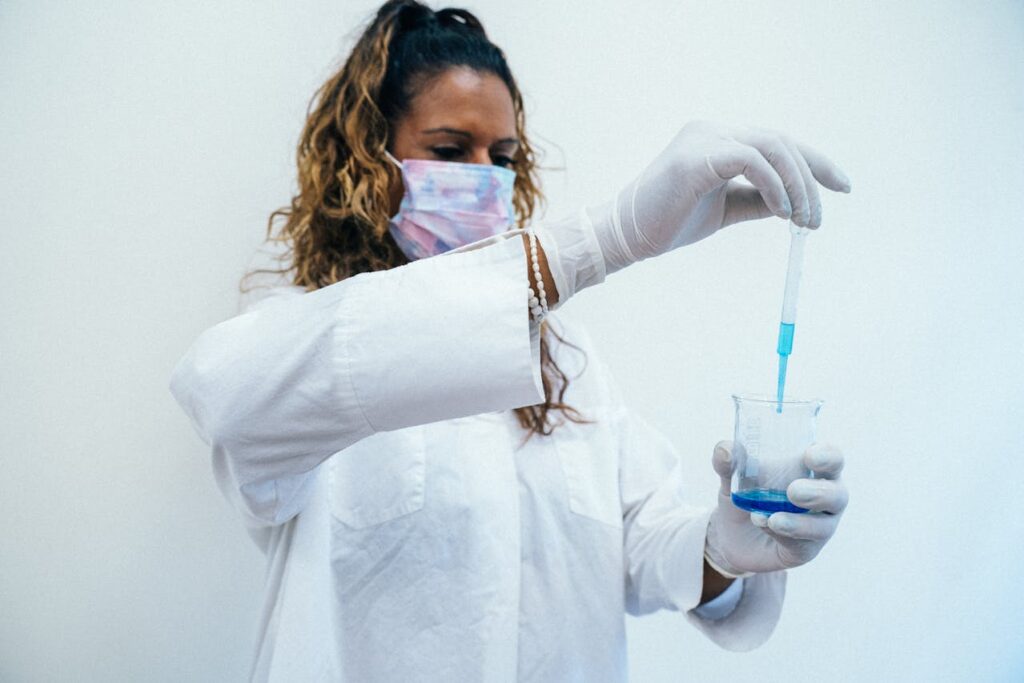
UV-visible spectrophotometry is the reference method for the quantification of phycocyanin in phytochemistry laboratories. It is based on the molecule's ability to absorb light in a specific region of the light spectrum, with an absorbance peak around 620 nm for phycocyanin, and 650 nm for allophycocyanin .
The principle of the method is simple: a beam of light is directed through a solution containing phycocyanin, and the intensity of the light absorbed at a precise wavelength is measured. The absorbance is then converted into a concentration using Beer-Lambert's law , with a specific extinction coefficient.
The advantages of spectrophotometry:
- a fast, economical and non-destructive method
- suitable for liquid matrices or aqueous extracts ,
- allows differentiation between several types of phycobiliproteins according to the chosen wavelength.
The minimum sample quantity required for analysis is generally 10 g , which is sufficient for extraction, direct quantification, and, if necessary, confirmation by chromatography. This method is particularly useful for food products, concentrated extracts, liquid cosmetics , and nutritional supplements in solution .
Other analytical techniques
In addition to spectrophotometry, other methods can be used for more complex or regulatory analyses:
- High-performance liquid chromatography (HPLC) :
This technique allows for the precise separation of different phycobiliproteins , even in the presence of impurities or other pigments (chlorophylls, carotenoids). HPLC is used for demanding quality control or to verify batch conformity within a regulatory framework. - Colorimetric titration :
This older, less precise method can be used for a quick estimate, but it is now rarely used in industry. - Analysis by electrophoresis or immunoassays (ELISA) :
These methods can be implemented to identify the protein nature of phycocyanin in the context of further research or regulatory validations .
Each method has its specific characteristics, but spectrophotometry remains the preferred method for routine assays, stability monitoring, or quality control during the formulation phase.
Standards and compliance requirements
As with any active substance used in consumer products, the analysis of phycocyanin must comply with validated protocols and international standards . In YesWeLab's partner laboratories, analyses are performed according to the requirements of:
- ISO 17025 : a reference standard guaranteeing the technical competence of laboratories, the traceability of analyses, and the reliability of results.
- COFRAC : French accreditation guaranteeing that the procedures used comply with European regulatory requirements.
These standards assure manufacturers that the results produced are:
- reproducible (same sample, same result),
- comparable between different laboratories or countries,
- usable in a regulatory or commercial context (health claims files, quality controls, export, etc.).
Finally, laboratory analysis also allows for validation of the product's compliance with specific regulations :
- for cosmetics: Regulation (EC) No 1223/2009,
- for food: INCO regulation (EU No. 1169/2011),
- for materials in contact with food: Regulation (EC) No 1935/2004 and FDA standards.
These analytical procedures are therefore essential to guarantee the safety, stability and efficacy of products containing phycocyanin, while also ensuring their safe entry onto the market.
Why entrust your phycocyanin analyses to YesWeLab?
A digital platform to centralize your analytical needs
YesWeLab offers manufacturers a unique solution to centralize and manage all their laboratory analysis needs , including projects involving phycocyanin. Through an intuitive digital platform , companies can:
- easily find the analysis best suited to their product from among more than 10,000 available services ,
- Order online in just a few clicks
- to track the delivery of their samples,
- access the results securely,
- manage their analysis history.
This digitalization of the process allows for considerable time savings , better traceability of analytical procedures, and centralization of essential technical documents (analysis sheets, certificates, quality reports).
A network of specialized partner laboratories
YesWeLab relies on a network of over 200 partner laboratories in France and Europe, all specialized and rigorously selected according to their area of expertise. This allows us to meet the requirements of numerous industrial sectors:
- Cosmetics : dosage of phycocyanin in creams, gels or lotions,
- Dietary supplements : control of concentration in spirulina extracts or formulated products,
- Functional nutrition : validation of phycocyanin levels in beverages, confectionery or sauces,
- natural health products : qualitative and quantitative analysis for formulas with antioxidant or anti-inflammatory properties.
Each partner laboratory is equipped to apply the appropriate analytical methods : spectrophotometry, HPLC, stability testing, migration testing, and rheological testing. This diversity allows YesWeLab to offer the most relevant method based on the matrix, the required level of precision, and the client's regulatory objectives.
Regulatory compliance and quality support
All laboratories selected by YesWeLab meet the strictest quality and safety standards, including:
- ISO 17025 : Technical requirement for the validity of results,
- COFRAC accreditation : recognition of the competence of laboratories for regulatory analyses,
- compliance with European and international regulations : INCO, EC No. 1935/2004, cosmetics regulation (EC) No. 1223/2009, FDA standards.
YesWeLab also assists its clients in preparing regulatory files (technical data sheets, analysis reports, certificates of conformity), which are essential for placing products containing phycocyanin on the market.
Multi-sector expertise at the service of innovation
YesWeLab's approach goes beyond simply providing analysis services. The company acts as a true development partner , capable of:
- to advise you in the selection of analytical methods ,
- to help you enhance the value of your plant extracts containing phycocyanin,
- Optimize your formulations based on the analysis results
- guarantee the quality, stability and conformity of your finished products.
YesWeLab works with a variety of players: innovative start-ups, large agri-food groups, food supplement brands, cosmetic laboratories, and even companies committed to green chemistry or plant upcycling.
Thanks to this cross-functional expertise and a perfect mastery of regulatory and analytical issues, YesWeLab has established itself as an essential player in the analysis of phycocyanin , from raw material to finished product.
FAQ – Laboratory analysis of phycocyanin
1. What method is used to analyze phycocyanin in the laboratory?
The most commonly used method for analyzing phycocyanin is UV-visible spectrophotometry . This technique relies on measuring the absorbance of phycocyanin at a specific wavelength (approximately 620 nm high-performance liquid chromatography (HPLC) can also be used .
2. How much sample is needed for an analysis?
A minimum of 10 g of sample is generally required to perform a complete phycocyanin analysis. This quantity ensures efficient extraction, accurate measurement, and, if necessary, further analyses (purity, stability, migration, etc.).
3. In what types of matrices can phycocyanin be analyzed?
Phycocyanin can be analyzed in a wide variety of plant and industrial matrices , including:
- extracts of spirulina or algae ,
- dietary supplements ( capsules, powders, ampoules),
- cosmetic formulations ( creams, gels, lotions),
- food products ( drinks, confectionery, sauces).
4. Why is it important to measure the phycocyanin content in a finished product?
Measurement allows of the product's compliance ensures efficacy (particularly for antioxidant or anti-inflammatory claims), and meets regulatory requirements . It also guarantees the pigment's stability and allows for the identification of any degradation related to pH, light, or temperature.
5. Can phycocyanin analysis be used to validate a cosmetic or food product?
Yes. Laboratory analysis of phycocyanin is essential to validate the concentration , purity , stability , and safety of a cosmetic or food product. It allows for product documentation for regulatory dossiers (EC, INCO, and FDA regulations) and ensures its safe market access.