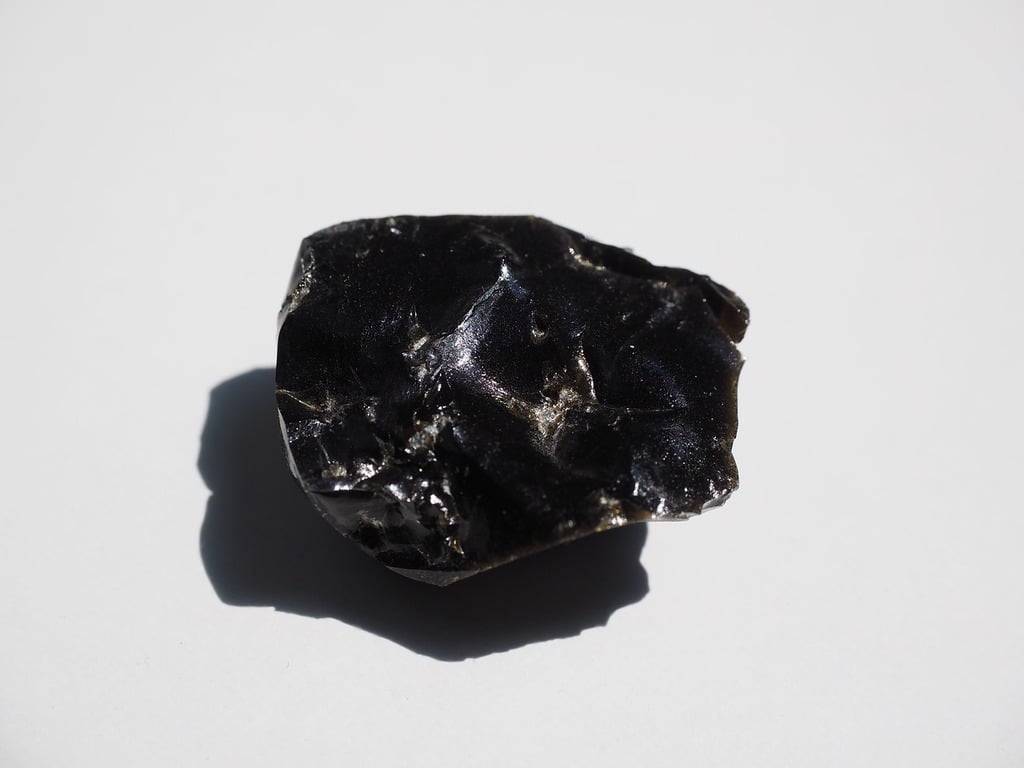
Used for millennia in traditional medicine, fulvic and humic acids are attracting increasing interest in the nutraceutical, agricultural, and cosmetic sectors. Derived from the natural decomposition of organic matter, these compounds are renowned for their beneficial effects on human health, soil fertility, and the performance of formulations.
They are found in high concentrations in shilajit, a natural resin used as a tonic in Ayurvedic medicine. But what exactly are they? How do they differ? And why are they now the subject of increasingly sophisticated laboratory analyses?
This article summarizes the situation, combining scientific data, industrial applications and quality issues.
Table of Contents
What are fulvic acid and humic acid?
Natural origin and chemical structure
Fulvic and humic acids belong to the large family of humic substances, which are produced by the slow decomposition of plant organic matter in soils, sediments, peats, and natural waters. They are naturally present in humus, the nutrient-rich topsoil layer, where they contribute to fertility and water retention.
From a chemical point of view, they are complex mixtures of organic compounds, mainly composed of carbon, hydrogen, oxygen, nitrogen, and sulfur. Their structure is not fully defined, as it varies according to their geographical origin, the conditions of degradation, and the microorganisms involved.
Humic acids are generally larger molecular size, dark in color (brown to black), and poorly soluble in water at acidic pH. They bind strongly to soil particles, particularly clay, forming stable complexes essential for soil structure. Their water retention capacity is particularly high, thanks to the presence of hydrophilic carboxylic groups.
Fulvic acids, on the other hand, have a lower molecular mass, a lighter color (yellow to light brown), and are soluble in water at all pH levels. Their small size allows them to easily penetrate cell membranes, which explains their high bioavailability in living organisms. They contain more oxygen but less carbon than humic acids, making them more chemically reactive.
Key differences between fulvic acid and humic acid
Although they are often grouped together, fulvic and humic acids have distinct characteristics that influence their uses and effectiveness in different fields.
| Property | Humic acid | Fulvic acid |
|---|---|---|
| Molecular weight | Pupil | Weak |
| Solubility | Insoluble at acidic pH | Soluble at all pH levels |
| Color | Dark brown to black | Yellow to light brown |
| Bioavailability | Low to moderate | Very high |
| Main function | Soil structuring, water retention | Intracellular transport, chelation |
| Presence in the shilajit | 10–30 mg/g | 60–80 mg/g |
These differences explain why fulvic acid is preferred in food supplements and cosmetic formulations, while humic acid is more commonly used in agriculture to improve soil fertility and water retention.
Furthermore, both acids act as natural chelators: they bind to metals and minerals, facilitating their transport and absorption in living organisms. This property is particularly beneficial in the field of human and animal health, notably for improving nutrient absorption and detoxifying heavy metals .
A slow but precious geological origin
Humic substances are formed over centuries through the combined action of microorganisms, humidity, temperature, and time on decomposing organic matter. This slow, natural process makes these acids rare and precious compounds, whose quality varies greatly depending on their environment of origin.
Certain deposits, such as those in high mountain ranges (Himalayas, Altai, Andes), yield resins rich in fulvic and humic acids, the best known of which is shilajit . This black resin, used for centuries in Ayurvedic medicine, concentrates very high levels of these two acids in a bioactive mineral matrix.
Thus, understanding the distinct characteristics of fulvic acid and humic acid is an essential step to better understand their uses, their benefits and the analytical methods to guarantee their quality.

What are the health benefits of fulvic and humic acids?
The benefits of fulvic acid: a natural cellular vector
One of fulvic acid's main advantages lies in its ability to transport nutrients across cell membranes. Thanks to its low molecular weight and high solubility, it acts as a biological carrier : it binds to minerals, vitamins, or other bioactive compounds, making them bioavailable to cells. This transport role explains its value in dietary supplements, particularly in energy, anti-fatigue, or detox formulas.
Several scientific publications highlight the antioxidant properties of fulvic acid, which can neutralize free radicals and limit oxidative damage at the cellular level. This potential is particularly observed in the context of chronic fatigue, oxidative stress related to aging, and certain neurodegenerative diseases.
Some studies, although preliminary, have also shown that fulvic acid could:
- stimulate the production of ATP (cellular energy) in the mitochondria,
- modulate membrane permeability and promote intestinal absorption of nutrients,
- reduce the toxic load associated with certain heavy metals thanks to its chelation capacity,
- strengthen the intestinal barrier , in particular by acting positively on the microbiota.
Finally, experiments on animal models suggest a role in improving memory , stress resistance , and regulating certain inflammatory parameters. Nevertheless, it remains essential to confirm these effects in humans through well-controlled clinical trials.
The benefits of humic acid: a detoxifying and protective action
Although less bioavailable than fulvic acid, humic acid still exerts significant beneficial effects on health, particularly through digestion. Its ability to bind to toxins, heavy metals, and pathogens makes it an excellent detoxifying agent. Once ingested, humic acids act like a molecular net: they capture and trap undesirable compounds before their intestinal absorption, thus promoting their natural elimination through feces.
This chelating action is particularly relevant in the following contexts:
- chronic exposure to heavy metals (lead, mercury, arsenic),
- digestive problems linked to an imbalanced gut flora (candida, parasites)
- reduction of intestinal inflammation.
Humic acids are also known for their immunomodulatory effects . They can stimulate certain immune responses while regulating excessive reactions. In agriculture and animal health, they are used to strengthen resistance to infections in livestock, which opens up interesting possibilities for similar applications in humans.
Finally, the anti-inflammatory, antiviral and antibacterial of humic acids are the subject of a growing number of publications, particularly in the field of prevention of respiratory or digestive infections.
Potential clinical and nutraceutical applications
The two acids therefore offer complementary benefits: fulvic acid acts deep within cells , while humic acid acts as a protective barrier in the digestive system . This complementarity is exploited in many high-end nutraceutical products, where the two compounds are combined for a synergistic effect.
Among the most common applications are:
- energy and anti-fatigue formulas ( fulvic acid),
- detoxifying or hepatoprotective products ( humic acid),
- Supplements for intestinal health ,
- immunostimulating or adaptogenic products .
It should be noted that the quality of the extracts largely determines their effectiveness. The concentration of fulvic and humic acids, their geographical origin, and the extraction method all play a crucial role in their bioactive profile. This is why laboratory analysis is essential to guarantee the conformity of products available on the market, as we will see later.
Are you looking for an analysis?
Shilajit: a concentrated source of fulvic and humic acids
What is shilajit?
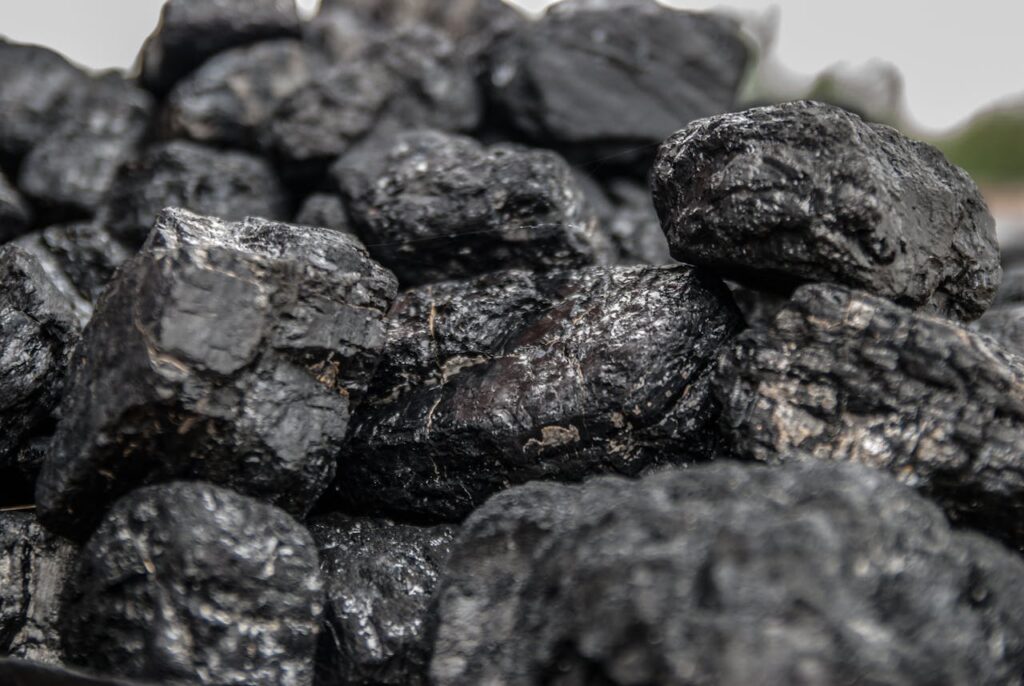
Shilajit is a natural substance resulting from the slow decomposition of organic matter trapped in rock fissures in mountain ranges, primarily in the Himalayas, but also in the Altai, the Caucasus, and the Andes. Over time, geological pressure, extreme climatic variations, and the action of microorganisms transform this plant matter into a viscous black or dark brown resin , rich in bioactive compounds.
In Ayurvedic medicine, shilajit has been used for millennia for its tonic, adaptogenic, detoxifying, and anti-aging properties. Its Sanskrit name literally means "conqueror of weaknesses," reflecting its traditional use as a holistic longevity remedy.
Today, shilajit is increasingly used as a dietary supplement , particularly to support vitality, improve male fertility, strengthen immunity, or promote cognitive performance.
Natural composition of shilajit
Shilajit's value lies in its exceptionally high content of fulvic and humic acids , making it one of the most concentrated natural sources known to date. Its average composition, although variable depending on geographical origin and extraction process, is as follows:
| Component | Average quantity (mg/g) |
|---|---|
| Fulvic acid | 60 to 80 mg/g |
| Humic acid | 10 to 30 mg/g |
| Iron | 20 to 50 mg/g |
| Zinc | 5 to 15 mg/g |
| Magnesium | 5 to 10 mg/g |
| Potassium | 4 to 8 mg/g |
| Calcium | 3 to 7 mg/g |
| Dibenzo-alpha-pyrones (DBP) | Bioactive traces |
Fulvic acids act as molecular carriers , while humic acids support digestive and detoxification functions. DBPs, for their part, are aromatic compounds that act as powerful antioxidants, capable of neutralizing free radicals.
Shilajit also contains over 80 minerals and trace elements in a highly bioavailable ionic form. This enhances its overall effect on metabolism, working synergistically with its humic components.
Scientific studies on the benefits of shilajit
Numerous recent studies have confirmed several traditional uses of shilajit, particularly those related to vitality , physical performance, and cognitive and hormonal health . Here are some notable research findings:
- Improved cellular energy : Shilajit promotes ATP production in mitochondria thanks to its fulvic acid content. One study showed that a daily dose of 500 mg could improve muscle strength and reduce post-exercise fatigue.
- Neuroprotection : Research indicates that shilajit may protect neurons against the harmful effects of beta-amyloid peptide, implicated in Alzheimer's disease. The antioxidant and mitochondrial properties of fulvate play a central role in this.
- Hormonal regulation : A clinical study demonstrated a significant increase in testosterone levels in men who consumed purified shilajit for 90 days. This opens the door to applications in male reproductive health.
- Anti-inflammatory and immunomodulatory effect : several animal studies demonstrate a stimulating effect on the immune system, via modulation of cytokines and activation of immune cells.
- Anti-aging and cosmetic effect : a study published in PubMed showed an improvement in cutaneous microcirculation and an activation of cell regeneration mechanisms in women supplemented with shilajit.
It should be noted, however, that most of the available studies have been conducted on animal models or in vitro. Larger clinical trials in humans are needed to robustly validate all of these effects.
Forms, uses and precautions for use
Shilajit is available in several forms: pure resin , capsules or powder . The resin is generally considered the most bioavailable and concentrated form, but it can be difficult to dose and consume daily. Capsules, which are more convenient, allow for a standardized dosage of 300 to 500 mg per day , depending on the desired effects.
However, not all shilajit products are created equal. It is essential to ensure that the product has been properly purified , as some extracts may contain harmful contaminants , including heavy metals or residual solvents from the extraction process.
Finally, caution is advised regarding:
- Pregnant or breastfeeding women (lack of safety data),
- people suffering from hemochromatosis (iron overload),
- individuals undergoing intensive medical treatment.
Laboratory analysis of a shilajit or fulvic acid extract is therefore an essential step to guarantee its purity, safety and efficacy , as we will see in the next section.
How to assess the quality of shilajit or a fulvic acid extract?
Simple home tests to identify a pure product
Even before going through a laboratory, some empirical tests allow us to get a first idea of the purity of a shilajit-based product, especially when it comes in resin form.
- Solubility test : Pure shilajit should dissolve completely in lukewarm water (between 20 and 25 °C), forming a homogeneous, dark brown solution with no visible residue. A residue at the bottom of the glass may indicate the presence of fillers or impurities.
- Malleability test : pure resin remains flexible and malleable at room temperature. If it is brittle or too hard, this may indicate poor quality or an old product.
- Fire test : When heating a small amount of shilajit, a pure product does not burn like wax. It produces bubbles, then slowly reduces to ash without a bright flame. Rapid combustion is a bad sign.
These tests do not replace a proper analysis, but can alert the consumer to the nature of the product before ingestion.
Laboratory testing: an absolute necessity
To guarantee the safety and efficacy of a fulvic acid extract or a shilajit-based product, laboratory analyses are essential. They allow for the measurement of the concentration of active ingredients, as well as the detection of any presence of dangerous contaminants.
Here are the main parameters being monitored:
- Fulvic and Humic Acid Assay:
The actual concentration of fulvic acid is often measured by high-performance liquid chromatography (HPLC) , a reliable method for quantifying the exact content. This data is essential for validating the product's efficacy, particularly in dietary supplements. - Heavy metals
such as lead, mercury, arsenic, cadmium, and chromium can be present in trace amounts in poorly purified products. Their levels are measured by ICP-MS (inductively coupled plasma mass spectrometry), the reference method in analytical laboratories. - Microbiological Contaminants:
Good shilajit quality implies the absence of pathogenic bacteria such as Escherichia coli , Salmonella , and Staphylococcus aureus , as well as yeasts and molds. Microbiological analyses follow ISO methods specific to each contaminant category. - Residual pesticides and solvents:
Organic solvents may be used during extraction. Chromatographic tests (GC-MS or HPLC) can verify their absence or compliance with European regulatory thresholds. - Additives and cutting agents:
Some products contain artificial resins, fillers, or colorants. Authenticity tests can detect these fraudulent, and often undesirable, additions.
These tests are generally carried out by laboratories specializing in food supplement analysis , accredited to ISO 17025 or COFRAC , to guarantee the reliability of the results.
Certifications and standards to check before buying
A quality product should be accompanied by certificates guaranteeing its conformity. Here are the main certifications to look for on the label or product information sheet:
- ISO 22000 : International standard for food safety.
- GMP (Good Manufacturing Practices) : guarantee of good manufacturing practices, often required for food supplements.
- COA (Certificate of Analysis) : document providing the results of analysis of the batch, including the fulvic acid content and the absence of contaminants.
- Organic label (according to European regulations) : certifies that the raw material comes from organic farming, without chemical treatment.
- Traceability : clear information on geographical origin, method of extraction, and purification processes.
Why traceability and analysis are essential
In a market where shilajit is sometimes counterfeit or cut with unidentified substances, analysis is the only guarantee of buying a safe, effective and compliant .
A quality shilajit or fulvic acid extract should:
- to be purified without toxic solvents ,
- to be tested in an independent laboratory ,
- contain a verified level of humic and fulvic acids ,
- respect the maximum thresholds for heavy metals and microorganisms .
The absence of these guarantees exposes consumers to health risks, as well as product ineffectiveness. Hence the importance of using a competent laboratory , such as those in the YesWeLab network, to carry out these tests.
Laboratory analyses of fulvic and humic acids: methods and challenges
Analytical methods used to determine fulvic and humic acids
The analysis of fulvic and humic acids relies on rigorous laboratory techniques, allowing for the quantification of their concentration , the evaluation of their purity , and the identification of any potential contaminants . These methods are essential to ensure product compliance, particularly in the nutraceutical , cosmetics , agricultural , and environmental sectors .
Here are the main techniques used by specialized laboratories:
- Gravimetry : a traditional method used to quantify the mass of humic and fulvic acids in liquid matrices, such as water or soil extracts. After precipitation and separation of the fractions, the dry weight is measured. This method is suitable for simple matrices but less precise for complex finished products.
- High-performance liquid chromatography (HPLC) : This modern technique allows for the precise isolation and quantification of fulvic acid in plant extracts, resins (such as shilajit), or dietary supplements. It is based on the separation of compounds according to their interactions with a stationary phase and a solvent. HPLC is now the reference method for verifying declared concentrations .
- UV-Visible Spectrophotometry : By measuring the absorbance of a solution at specific wavelengths, the concentration of fulvic or humic acid can be estimated. This faster and more economical method is often used for routine testing or batch monitoring.
- Redox or acid-base titration : used in conjunction with previous methods, particularly to determine the functional acidity (carboxylic groups) of humic acids. It is still practiced in environmental laboratories to characterize natural organic matter.
The choice of method depends on the matrix being analyzed (water, plant extract, powder, resin), the level of precision required , and the regulatory context of the product.
Objectives of the analyses: compliance, safety and efficiency
Laboratory analyses of fulvic and humic acids pursue three essential objectives:
- Ensuring regulatory compliance:
In food supplements or plant extracts, it is essential to validate the actual concentration of active acids, but also to ensure the absence of prohibited substances (solvents, metals, pesticides). European standards impose strict limits, particularly for heavy metals. Compliance with ISO 17025 or COFRAC accreditation is a guarantee of reliability. - Ensuring consumer safety:
Some untested products may contain dangerous levels of arsenic or lead, or microbial residues. Rigorous analysis eliminates these risks and guarantees safe use. - Validating the product's commercial effectiveness:
The value of shilajit or fulvic acid extract depends on its actual content of active substances. Manufacturers can therefore justify health claims based on verified concentrations, in accordance with European Regulation No. 1924/2006 on nutrition and health claims.
Case study inspired by malic acid analysis
Similar to the analyses performed on malic acid in the food and cosmetics sectors, fulvic and humic acids follow a similar analytical framework. Here are some instructive points of comparison:
- The same types of analytical methods are used: HPLC, spectrophotometry, and titration are employed for both types of acids. These methods ensure that the products contain the correct concentration, whether it's a malic acid-enriched candy or a shilajit-based supplement.
- Same regulatory requirement : as with malic acid, laboratories must comply with strict quality standards (ISO 17025) to validate the data produced.
- Similar applications : in cosmetics, malic acid and fulvic acids are both used for their effects on texture , acidity , or bioavailability of active ingredients .
- Complementarity with migration tests : in packaged formulations (capsules, bottles), it is sometimes necessary to carry out migration tests to ensure that no interaction between the container and the substance compromises the safety of the product, in accordance with EC Regulation No. 1935/2004 or FDA standards.
Thus, the analysis of fulvic and humic acids is part of a scientific and regulatory logic comparable to other functional compounds used in technical and nutritional formulations.
Analyses that are also useful for the environment and agriculture
Beyond the nutraceutical field, laboratory analyses of humic and fulvic acids are also valuable for:
- monitoring the quality of agricultural soils by measuring the content of active organic matter,
- the analysis of wastewater or natural water , where these acids can be indicators of organic pollution or metal retention capacity,
- the evaluation of biogas potential , in the case of organic waste containing humic substances.
Specialized laboratories, such as those in the YesWeLab network, are able to offer these services within the framework of agro-environmental projects , R&D programs , or regulatory compliance on industrial effluents.
The analysis of a fulvic or humic acid extract is therefore not reserved for food supplements alone: it finds its place in many industrial sectors where precision and traceability are essential.
Why use YesWeLab for fulvic acid, humic acid or shilajit analysis?
Multi-sector expertise for tailored analyses
YesWeLab supports manufacturers in all their analytical projects related to active natural substances such as fulvic and humic acids , or complex extracts like shilajit . Thanks to a network of over 200 partner laboratories across France and Europe, YesWeLab is able to offer comprehensive analytical coverage, regardless of the industry sector.
- Nutraceutical sector : analysis of fulvic acid concentration in food supplements, heavy metal detection, microbiological control, validation of health claims.
- Cosmetics : safety assessment of extracts incorporated into formulas, stability tests, characterization of active ingredients, control of contaminants (parabens, allergens, etc.).
- Agro-environmental : measurement of the content of humic substances in soils, composts or waters, identification of useful or polluting organic inputs.
- Animal health : characterization of enriched formulations for animal feed, quality control of shilajit-based additives.
This versatility ensures that each analysis is contextualized according to the matrix, the intended use, and the regulatory constraints specific to each industrial sector.
A digital platform to centralize your requests
One of YesWeLab's major strengths lies in its all-in-one digital platform , which allows professionals to:
- Search for the desired analysis among more than 10,000 available services .
- Order online without needing a paper quote.
- easily ship their samples thanks to an optimized logistics system.
- to monitor the processing of their analyses in real time
- to receive and store their results securely.
integrated approach significantly simplifies the management of analyses, particularly for companies with recurring, multi-site, or multi-product needs. It also saves time and reduces administrative errors through automated traceability .
Regulatory compliance and quality of results
All laboratories in the YesWeLab network perform their services in compliance with the strictest standards :
- ISO 17025 : international standard guaranteeing the technical competence and reliability of analyses.
- Specific sectoral standards : Regulation (EC) No 1935/2004 for materials in contact with food, INCO Regulation for nutritional labelling, ISO 22000 standard for food safety, etc.
The analysis reports provided may include:
- the exact concentration of fulvic or humic acid (via HPLC or gravimetry),
- levels of heavy metals (lead, arsenic, mercury…),
- the results of the microbiological tests ,
- the limits of quantification , the uncertainties, and the methodology used.
These documents are valuable not only for ensuring regulatory compliance , but also for substantiating marketing claims or registration dossiers with the relevant authorities.
Personalized scientific support
YesWeLab does more than simply connect manufacturers and laboratories: the company offers dedicated scientific support to each client. This support includes:
- defining the analysis plan adapted to the objective (quality control, regulatory validation, proof of effectiveness, etc.),
- the interpretation of the results by technical experts,
- regulatory recommendations based on the target market (Europe, United States, etc.),
- the integration of results into technical or marketing files .
Whether it is to analyze a raw shilajit, a fulvic acid powder, a finished capsule or an enriched cosmetic formula, YesWeLab makes it possible to scientifically validate the quality of the product , while optimizing analysis times and costs.
Concrete use cases in plant extracts
YesWeLab already works with numerous manufacturers and formulators in the fields of plant extracts, adaptogens, and Ayurvedic products. Frequently requested services include:
- accelerated aging tests to assess the stability of products containing shilajit ( → see the article on the subject),
- Heavy metal analysis in powders of plant or mineral origin ( → see the dedicated article),
- verification of the actual concentration of fulvic acid or DBP for marketing or regulatory claims.
These use cases perfectly illustrate YesWeLab's contribution to a quality, safety and product performance approach for nutraceutical market players.