Allicin is a natural compound with a powerful aroma, best known for its role in the characteristic smell of fresh garlic. But beyond its pungent scent, allicin is now the subject of numerous scientific studies due to its antimicrobial and antioxidant properties, as well as its promising physiological effects. Used in food, nutritional supplements , cosmetics, and natural pharmaceuticals, allicin represents a valuable asset… provided its properties are well understood and it can be rigorously quantified in the laboratory. YesWeLab supports manufacturers in allicin analysis through its network of partner laboratories and its expertise in bioactive compounds. This first part introduces the chemical and biological basis of this compound.
Table of Contents
Understanding what allicin is
Definition and chemical classification
Allicin is an organosulfur with the molecular formula C6H10OS2 , belonging to the thiosulfinate . It is a colorless to pale yellow liquid with a very strong odor, typical of freshly cut garlic. Its molar mass is 162.27 g/mol, and its boiling point is approximately 134 °C. Highly reactive, allicin is also chemically unstable : it degrades easily at room temperature or under the influence of pH.
In organic chemistry, thiosulfinates are compounds where two sulfur atoms are bonded together, one bearing an oxo group (S=O), which gives the molecule specific properties, including strong reactivity towards microbial proteins and free radicals.
Origin and natural biosynthesis
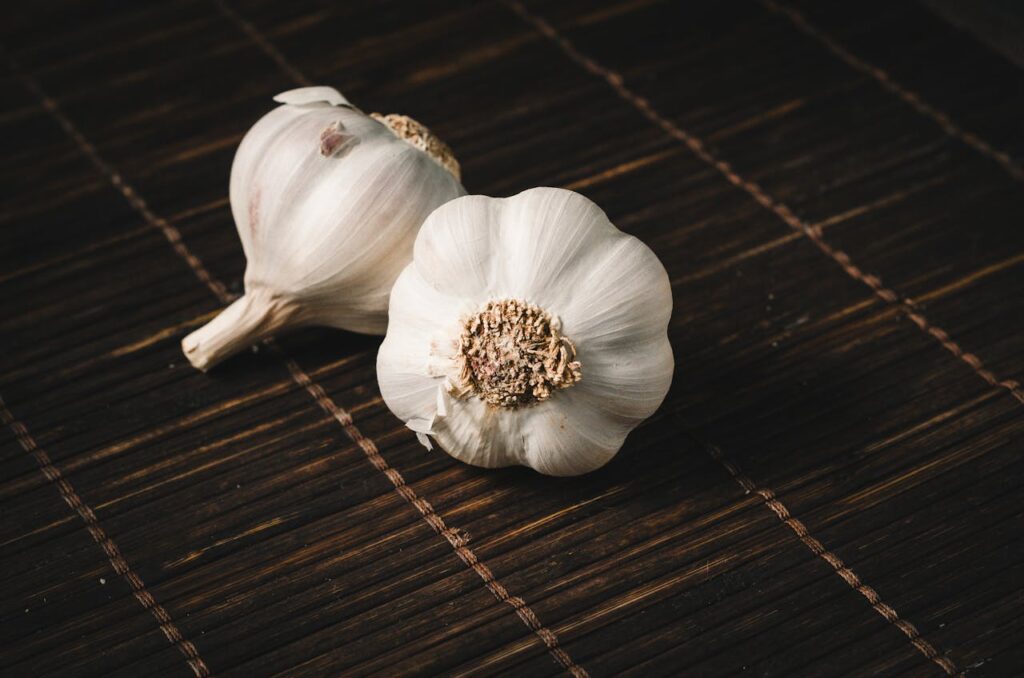
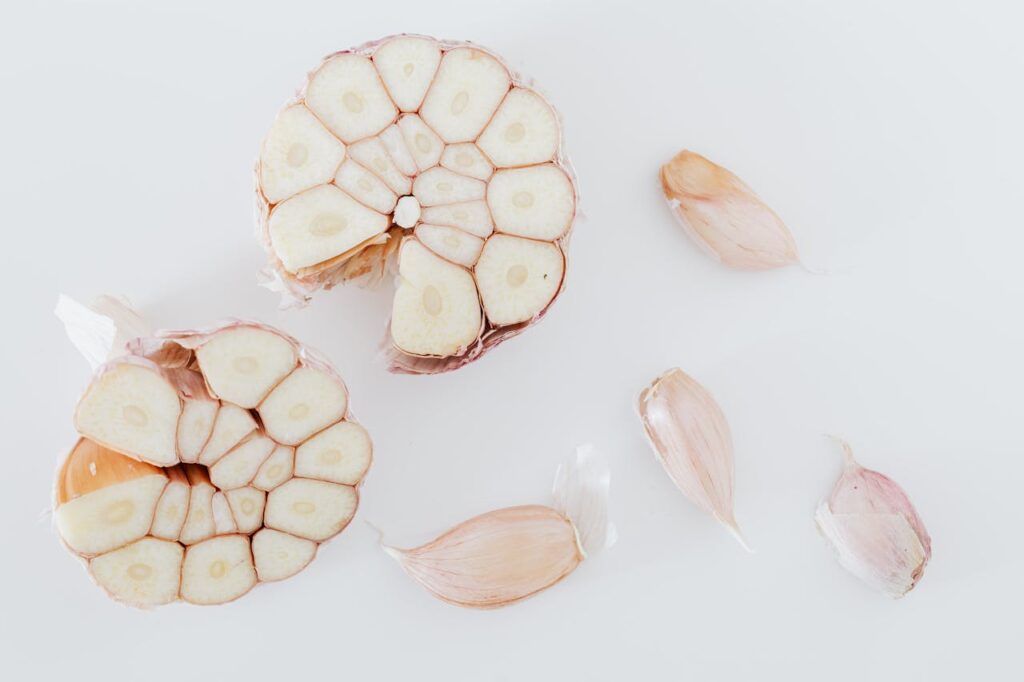
Contrary to popular belief, allicin is not present in whole garlic . It only appears when garlic tissue is damaged (crushed, chopped, or cut), triggering a natural enzymatic reaction. This reaction involves two molecules:
- Alliin , a sulfur-containing amino acid naturally present in garlic;
- Alliinase , an enzyme also present in plant cells.
As soon as garlic is crushed, alliinase comes into contact with alliin, which it quickly transforms into allicin. This enzymatic mechanism is a defense system of Alliaceae (garlic, onion, shallot, etc.) against parasites, insects, and pathogens.
Conversion scheme:
Cysteine → Alliin → (alliinase) → Allicin
Physicochemical properties of allicin
The physicochemical characteristics of allicin partly explain its potency… and its fragility. Here are some key facts:
- Appearance : clear, slightly yellow liquid
- Density : 1.109 g/cm³
- Refractive index : 1,567
- Boiling point : 134 °C
- Flash point : 104.2 °C
- Vapor pressure : ~0 mmHg at 25 °C
- Solubility : moderately soluble in water, soluble in ethanol
Allicin is extremely volatile and unstable . At 26°C, it begins to decompose in less than 16 hours. Its instability makes it difficult to handle and justifies the use of advanced analytical techniques for its measurement. Furthermore, gastric pH (below 3) inactivates the enzyme alliinase, meaning that allicin formation does not occur in the stomach , even after ingestion of fresh or powdered garlic.
This extreme reactivity is both a challenge for manufacturers (preservation, formulation, efficacy), and an asset on the bioactive level, because it allows rapid interaction with biological targets: bacteria, viruses, oxidized cells, etc.
Biological properties and modes of action of allicin
Allicin is one of the most studied bioactive compounds derived from medicinal plants, particularly garlic. Its complex and varied mechanisms of action make it a molecule of interest in the fields of human health, functional nutrition, and cosmetics. This section details its main biological properties and the underlying mechanisms, validated by the scientific literature.
Powerful antimicrobial activity
One of allicin's best-known properties is its broad-spectrum antimicrobial activity . It is capable of inhibiting the growth of many pathogenic microorganisms, including:
- and Gram- bacteria : Staphylococcus aureus , Escherichia coli , Helicobacter pylori , etc.
- Fungi : Candida albicans
- Viruses : some studies indicate antiviral activity against enveloped viruses
- Parasites : potential action on Giardia lamblia , Entamoeba histolytica …
Its mode of action is primarily based on the inhibition of thiol-containing enzymes . Allicin interacts with cysteine residues of proteins essential for microbial survival, disrupting the structure and function of the targeted enzymes. This inhibition leads to metabolic disorganization and, ultimately, cell death.
One particularly interesting point is its ability to inhibit resistant bacterial strains , such as Staphylococcus aureus (MRSA). A study by Cutler and Wilson (2004) showed that 88% of the MRSA strains tested were susceptible to a stabilized aqueous solution of allicin at 16 µg/ml.
Antioxidant activity
Allicin also acts as a free radical scavenger , limiting oxidative damage to cells. Its sulfur-rich structure allows it to react rapidly with peroxyl radicals (ROO•) and other reactive oxygen species (ROS). These properties are attributed to a product of its degradation: 2-propenesulfonic acid , whose antioxidant activity is among the most potent known.
By reducing oxidative stress, allicin protects:
- Cell membranes
- DNA and proteins against mutations and oxidation
- Blood lipids against peroxidation
These effects justify the interest of allicin in the prevention of many chronic diseases, particularly cardiovascular and neurodegenerative diseases.
Anti-inflammatory effects
Allicin can modulate the inflammatory response by inhibiting several key mediators of inflammation:
- Reduction in the production of pro-inflammatory cytokines (TNF-α, IL-6)
- COX-2 NF-κB pathway expression , involved in acute and chronic inflammatory processes
- Decreased infiltration of immune cells into damaged tissues
These effects have been observed in animal models of colitis, arthritis, and skin inflammation. Allicin is therefore a promising molecule for anti-inflammatory formulations, including topical applications (creams, gels).
Cardiovascular properties
Allicin has an overall beneficial effect on cardiovascular health , via several complementary mechanisms:
- Reduction of blood pressure through vascular relaxation
- Cholesterol-lowering effect : decrease in LDL, increase in HDL
- Antiplatelet action : reduction of the risk of thrombosis
It acts in particular by influencing the synthesis of nitric oxide (NO) , a natural vasodilator, and by inhibiting enzymes involved in platelet aggregation, such as thromboxane synthase.
These effects make allicin a functional active ingredient of interest in food supplements intended for lipid regulation, blood circulation and the prevention of heart disease.
Anticancer activity
Promising results have been obtained in cellular and animal models regarding the antitumor effect of allicin:
- Induction of apoptosis in cancer cells
- Inhibition of cell proliferation
- Blocking of tumor angiogenesis (formation of new blood vessels)
- Modulation of genes involved in tumor growth (p53, Bcl-2, caspases)
Although clinical trials are still rare, allicin is a serious lead for adjuvant treatments in natural or nutritional oncology.
Immune system strengthening
Finally, allicin stimulates the immune system by activating certain immune cells (macrophages, T lymphocytes) and increasing antibody production. It improves resistance to viral and bacterial infections, particularly in the respiratory tract. This effect is especially sought after in immunonutrition formulas (supplements for the colder seasons, OTC products).
Are you looking for an analysis?
Laboratory analyses of allicin: methods, standards and reliability issues
To harness the benefits of allicin in the food, nutraceutical, cosmetic, and pharmaceutical sectors, it is essential to guarantee its presence, stability, and precise concentration in finished products. However, due to its instability and sensitivity to environmental conditions, laboratory analysis of allicin requires a rigorous approach and advanced analytical tools. This section presents the main assay methods, the associated technical challenges, and the standards governing these analyses.
High-performance liquid chromatography (HPLC-UV or HPLC-DAD)
High-performance liquid chromatography (HPLC) is currently the reference method for allicin quantification. It allows:
- Efficient separation of allicin from other sulfur compounds present in garlic
- Precise quantification based on an analytical standard of allicin
- Detection by UV spectrophotometry (generally at 240-254 nm)
Example of a method :
- Matrix: garlic extract or dietary supplement
- Preparation: extraction in a polar solvent (methanol, acetonitrile)
- Detection: UV at 240 nm
- Limit of quantification: ≈ 10 ppm
Gas chromatography coupled with mass spectrometry (GC-MS)
GC -MS is used to analyze allicin degradation products, particularly volatile sulfur compounds (dialyl disulfides, trisulfides, etc.). It is valuable for studying allicin stability or characterizing aged formulations.
This technique generally requires prior derivatization of allicin to make it volatile and detectable.
Fourier transform infrared (FTIR) spectroscopy
FTIR of the presence of functional groups characteristic of allicin (thiosulfinate) in extracts or formulations. It is less specific than HPLC but useful for rapid and non-destructive quality control.
Titration and alternative methods
redox titration methods can be used to estimate the overall concentration of oxidizing sulfur compounds, but they lack selectivity. These approaches are reserved for raw products or overall batch verification.
Technical challenges related to allicin analysis
Instability and rapid degradation
Allicin is a very unstable molecule:
- It degrades within a few hours at room temperature
- It is sensitive to pH (the alliinase enzyme is inactivated at pH < 3)
- It reacts with many compounds, particularly thiols
Laboratories must therefore implement rigorous stabilization protocols , including:
- A quick, cold extraction
- Suitable solvents
- Immediate analysis after preparation
Presence of interfering elements in complex matrices
In processed products (dietary supplements, fortified foods, cosmetics), the matrix can contain numerous interfering compounds. A preliminary purification step (by SPE, filtration, or liquid-liquid extraction) is often necessary to avoid false positives or signal loss.
Importance of compliance with ISO 17025 and COFRAC standards
Allicin analyses must be performed in accordance with international quality standards to guarantee their regulatory validity:
- ISO 17025 : standard defining the general competence requirements for testing laboratories
- COFRAC : In France, COFRAC-accredited laboratories are recognized for the reliability of their results.
In the case of allicin, this means that the methods used must be:
- Validated (precision, accuracy, specificity, linearity…)
- Traceable (sample tracking, complete documentation)
- Carried out under controlled conditions
The results can then be used in a regulatory framework (validation of a food supplement, conformity control of a batch, etc.).
Migration tests and additional analyses
For formulations containing garlic or allicin intended to be packaged in plastic containers, migration tests are often required, especially if the product is aqueous, acidic or fatty.
These tests are supervised by:
- Regulation (EC) No 1935/2004 on materials in contact with food
- FDA standards for products exported to the United States
They allow verification that allicin does not react with the packaging material or migrate excessively into the food.
Services offered by YesWeLab
Thanks to its network of over 200 accredited partner laboratories, YesWeLab is able to offer a complete range of services for the analysis of allicin and its derivatives:
- HPLC-UV assay
- Stability and degradation product analysis by GC-MS
- Quality control of garlic extracts, garlic-based formulations, tablets, powders, or oils
- Study of L-allyl-S-cysteine (SAC) content in black garlic by HPLC
- Migration tests on packaging
- Accelerated aging studies , product validity, container-content interactions
YesWeLab's digital platform allows manufacturers to centralize their analytical requests , track their samples, access their results and receive tailored support.
Industrial applications of allicin: from functional foods to cosmetics
Allicin is a high-value molecule used in numerous industrial sectors for its exceptional biological properties. Thanks to its antimicrobial, antioxidant, anti-inflammatory, and hypotensive effects, it is now incorporated into a wide variety of products: dietary supplements, natural health products, fortified food preparations, functional cosmetics, and topical formulations. This section presents the main industrial applications of allicin and the associated analytical requirements.
Dietary supplements containing allicin
Available dosage forms
Allicin is often used in dietary supplements intended to support the immune system or cardiovascular health. These products are available in various forms:
- Freeze-dried powders or standardized extracts (stabilized formulations)
- Capsules or tablets containing garlic extract standardized in allicin
- Garlic oils or oil macerates (sometimes enriched with sulfur derivatives of allicin)
- Preparations made with aged garlic : rich in SAC (L-allyl-S-cysteine), a more stable and bioavailable form of allicin
Dosage and stability requirements
The concentration of allicin in these products must be rigorously controlled for two reasons:
- Compliance with nutritional or health claims : A food supplement mentioning garlic as an active ingredient must justify a minimum concentration of allicin or SAC, measured by reliable methods (HPLC, GC-MS).
- Stability control : Allicin is unstable, and its degradation over time must be studied. This involves accelerated aging studies to determine the expiration date, and ongoing quality control.
YesWeLab can support manufacturers at every stage of development: formulation validation, active ingredient dosage, finished product analysis, stability testing.
Functional and fortified foods
Use in food preparations
Fresh garlic or allicin in extract form can be incorporated into:
- Functional drinks ( detox juices, immunity shots)
- sauces or marinades for prepared dishes
- Fermented or lacto-fermented products
- Healthy snacks (vegetarian patties, functional bars)
The challenge here is twofold: to maintain the properties of allicin despite thermal or enzymatic transformation, and to guarantee its microbiological stability .
Specific analyses
Specific analyses are required for fortified foods:
- Determination of allicin or residual sulfur compounds after cooking or processing
- Verification of the overall antioxidant effect (ORAC test, DPPH…)
- Microbiological testing to verify that the addition of allicin actually plays a natural preservative role
- Organoleptic control : allicin can significantly alter the taste and smell of the finished product
Cosmetics based on garlic or allicin
Desired properties in cosmetics
Thanks to its antimicrobial, anti-inflammatory, and antioxidant effects, allicin is also used in certain cosmetic formulations, particularly for:
- Purify the skin (anti-acne products, purifying masks)
- Stimulate microcirculation (hair gels, toning lotions)
- Taking action against fungal infections (natural antifungal creams)
Garlic extracts or stabilized allicin can be incorporated into oils, creams, gels or balms , in combination with other plant-based active ingredients.
Analytical and regulatory constraints
Cosmetics containing allicin or garlic extracts are subject to a cosmetic safety dossier , which includes:
- The quantification of allicin or its derivatives (GC-MS, HPLC-UV)
- Stability tests (formula, texture, efficacy)
- Skin tolerance tests (patch test, irritation test)
- Microbiological tests (preservation, contamination)
YesWeLab offers cosmetic brands comprehensive analytical support to ensure the safe market launch of their garlic or allicin-based products.
Pharmaceutical and medicinal products
Traditional use and clinical research
Allicin is still rarely used in licensed medications, but it is the subject of clinical research for its effects:
- Antimicrobials , particularly against resistant strains such as MRSA Staphylococcus aureus
- Antiparasitics (Giardia, Entamoeba…)
- Anticancer agent : inhibition of tumor growth in certain animal models
formulations of allicin (creams, gels, oral solutions) are sometimes used in herbal medicine or in topical treatments under the status of medical device.
Regulatory analysis and pharmacopoeia
Laboratories must then apply methods derived from the European or US Pharmacopoeia:
- Exact quantification of the active substance (allicin or SAC)
- Purity and compliance control (impurities, residual solvents)
- Stability and compatibility with packaging
Analytical management of health products containing allicin requires validated, traceable methods that comply with GMP (Good Manufacturing Practices) requirements, which YesWeLab offers through its specialized partners.
Conclusion
Allicin, the emblematic organosulfur compound of garlic, is generating increasing interest in the health, nutrition, and cosmetics sectors due to its antimicrobial, antioxidant, and anti-inflammatory properties. Although unstable and difficult to quantify without a specific method, it remains a valuable molecule, studied for its beneficial effects on cardiovascular health, the immune system, and even the prevention of certain diseases such as atherosclerosis and resistant infections.
To guarantee the efficacy and safety of products containing allicin or its derivatives (such as L-allyl-S-cysteine), it is essential to rely on rigorous laboratory analyses that comply with ISO 17025 and COFRAC standards. Using techniques such as HPLC and GC-MS, YesWeLab support manufacturers in controlling quality, ensuring regulatory compliance, and enhancing the scientific value of their garlic-based formulations.
Whether you need to develop an innovative dietary supplement, ensure the quality control of a plant extract, or validate a health claim, YesWeLab offers you simplified and efficient access to over 200 expert laboratories across Europe. Don't wait any longer to entrust the analysis of your products to a network of specialists and guarantee their reliability in increasingly demanding markets.