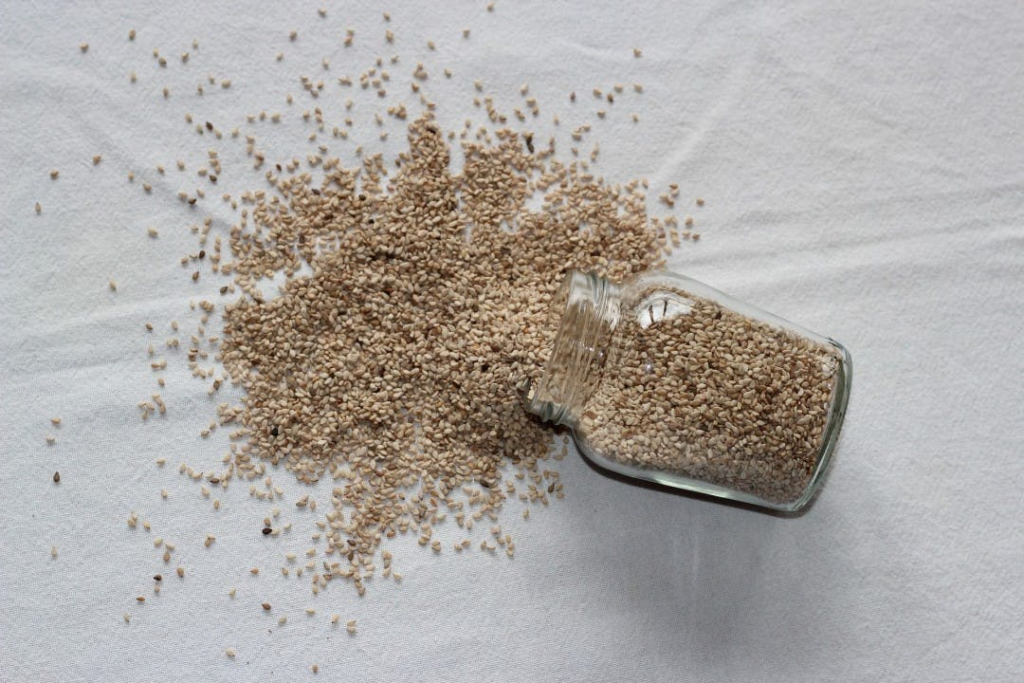
This scandal began in September 2020 when a banned carcinogenic pesticide was detected in certain food products imported into Europe, such as sesame. Since then, the precautionary principle has been applied in France. Health authorities have recalled more than 6,200 food products. From sesame and ice cream to pepper, ginger, shallots, and coffee, all these products are likely to have been illegally treated with ethylene oxide.
What is ethylene oxide?
To begin, it is important to present the chemical at the root of this crisis. Ethylene oxide is used, among other things, as a disinfectant to prevent mold growth and reduce the risk of salmonella in products being transported.
This extremely flammable and toxic gas is banned in Europe. According to the National Institute for Research and Safety, it can cause cancer and may induce genetic abnormalities.
The INRS also specifies that this chemical, which is subject to pesticide regulations, causes skin irritation, severe eye irritation, and can irritate the respiratory tract. According to ANSES, ethylene oxide presents health risks without a dose threshold, meaning that even at very low levels of exposure, it can be dangerous.
What is the origin of this problem?
Food safety problems are very often linked to traceability.
Indeed, companies in the sector have very strict obligations regarding traceability protocols which make it possible to trace the path of goods in case of a problem.
Food traceability aims to:
– Provide consumers with more information about food
– Identify the risks of food poisoning
– To more easily carry out withdrawals of food products
– Identify the causes of a problem by tracing it back through the food chain
Regarding the ethylene oxide crisis, traceability problems had already been identified in 2017.
Indeed, European Commission investigators made the following observation: "The current system does not allow verification, due to a lack of traceability of farms, that sesame seeds are produced under conditions that comply with general hygiene provisions for production.".
At the beginning of this crisis last October, only seven laboratories in Europe were able to monitor ethylene oxide levels in food products.
Indeed, according to many operators, the tests carried out to detect pesticides in food did not include ethylene oxide.
Since October 2020, the European Commission has required the testing of 50% of sesame batches entering Europe, while France has decided to test 100% of batches arriving at border control points. Since the scandal broke, all laboratories have been overwhelmed with requests.
With legislation on ethylene oxide now being very strict and heavily monitored, it has become essential for companies to manage this risk and control products that may contain traces of this pesticide (flour, specialty breads, oil, prepared meals, etc.)
YesWeLab's network of scientific partners includes around one hundred expert laboratories in the search for chemical contaminants capable of performing this test.
We support food industry companies in finding the scientific partner that best meets their needs.