Rosmarinic acid is a compound naturally present in several medicinal plants. Highly valued for its numerous therapeutic and antioxidant properties, it is increasingly used in the cosmetics, nutrition, food , and healthcare industries. This article examines this powerful antioxidant in detail, its benefits, extraction methods, and its role in various sectors.
1. Introduction to rosmarinic acid
1.1 What is rosmarinic acid?
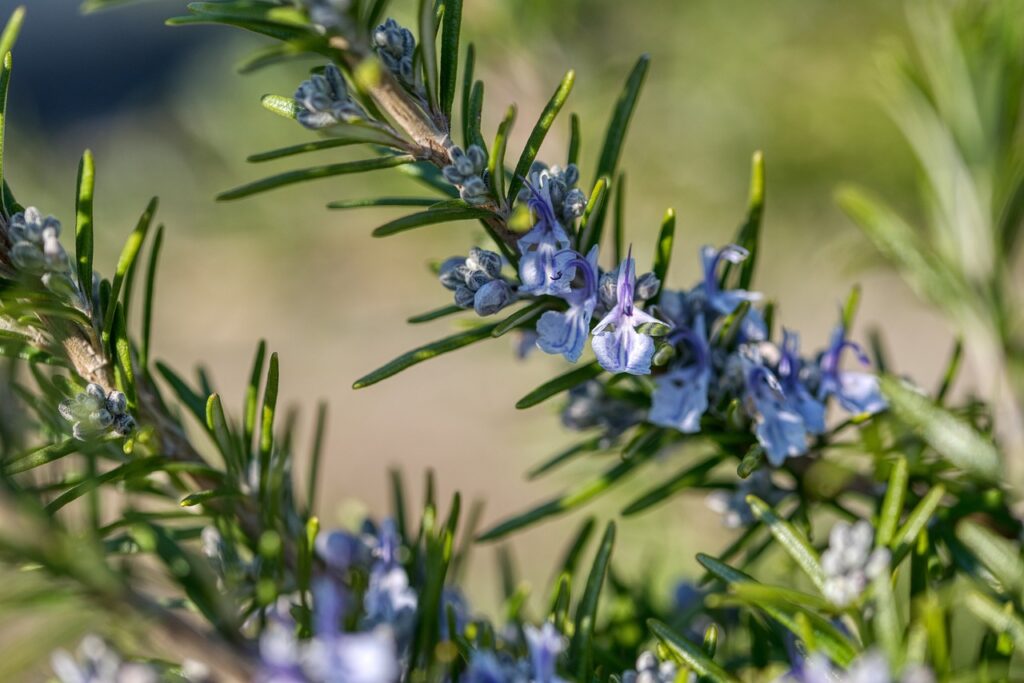
Rosmarinic acid is a phenolic compound, a derivative of hydroxycinnamic acid, found in many plants of the Lamiaceae family, including rosemary (Rosmarinus officinalis), mint, sage, and thyme. It was first isolated from rosemary, hence its name. This compound is widely recognized for its antioxidant, anti-inflammatory, antiviral, and antibacterial properties, making it a valued ingredient in various industries, including cosmetics, health, and food.
1.2 Importance of rosmarinic acid in different sectors
Rosmarinic acid is used in a variety of applications due to its beneficial effects on human health. In the cosmetics industry, it is often used to protect skin from free radical damage, prevent signs of aging, and soothe skin irritations. In healthcare, this compound plays a role in protecting cells against inflammation and fighting viral infections. Finally, in the food industry, rosmarinic acid is valued as a natural preservative due to its antioxidant properties, thus extending the shelf life of food.
1.3 Antioxidant and anti-inflammatory properties
The antioxidant properties of rosmarinic acid are among the most studied. By neutralizing free radicals, this compound helps prevent cellular damage that can lead to chronic diseases such as cancer, cardiovascular disease, and neurodegenerative diseases. Its anti-inflammatory power helps reduce inflammation in the body, making it a valuable ally in managing joint pain and chronic inflammatory diseases like arthritis. Rosmarinic acid also inhibits certain enzymes involved in the inflammatory response, such as cyclooxygenase (COX), thereby reducing the production of pro-inflammatory substances.
2. What is rosmarinic acid?
2.1 Definition and chemical characteristics
Rosmarinic acid is an organic molecule classified in the phenolic acid family. Its molecular formula is C18H16O8, and it is generally found as a yellow or brownish crystalline powder. This molecule is known for its exceptional antioxidant activity, meaning it is capable of neutralizing free radicals, unstable molecules responsible for cellular damage. Its ability to act against oxidation makes it a valuable molecule for combating the aging of cells and tissues.
2.2 Origin and natural occurrence
Rosmarinic acid is primarily found in plants of the Lamiaceae family, but it is also present in other plant families such as the Boraginaceae. Among the best-known plant sources are rosemary, thyme, mint, sage, and lemon balm. Rosemary (Rosmarinus officinalis) is often cited as the plant richest in rosmarinic acid, and the compound was named after it. Plants containing this molecule are frequently used in herbal medicine and in the preparation of natural products for their therapeutic properties.
2.3 Biological properties of rosmarinic acid
Rosmarinic acid possesses a wide range of biological properties that make it a very interesting compound for natural medicine and the pharmaceutical industry. In addition to its antioxidant properties, it has also demonstrated anti-inflammatory, antiviral, and antibacterial effects. Specifically, it works by inhibiting enzymes responsible for the production of pro-inflammatory molecules, thus helping to reduce inflammatory responses in the body. These properties make it an ideal candidate for developing treatments to manage joint pain, skin conditions, and certain infectious diseases.
2.4 Applications in the cosmetics and food industries
In the cosmetics industry, rosmarinic acid is used for its ability to protect the skin from external aggressors and delay the appearance of signs of aging. It is commonly incorporated into creams, serums, and other skincare products to combat oxidative stress on the skin. In the food industry, it is used as a natural additive to preserve food from oxidation, particularly fats and oils, thus extending their shelf life without the need for synthetic preservatives.

3. Natural origin of rosmarinic acid
3.1 Does rosmarinic acid come from rosemary?
The very name rosmarinic acid refers to its discovery in rosemary (Rosmarinus officinalis). Indeed, this plant is one of the richest sources of this compound, widely used in herbal medicine for its numerous benefits. However, it is important to note that rosemary is not the only plant to contain rosmarinic acid. Other aromatic and medicinal plants, such as sage, thyme, mint, and lemon balm, are also rich in it.
3.2 Other sources of rosmarinic acid
Besides rosemary, many other plants contain significant concentrations of rosmarinic acid. These plants belong primarily to the Lamiaceae family, which includes herbs widely used in cooking and traditional medicine. Thyme (Thymus vulgaris), for example, is another important source of this compound, as is peppermint (Mentha piperita), widely used in the production of essential oils. Lemon balm (Melissa officinalis), known for its calming and stress-relieving properties, is also a notable source of rosmarinic acid.
3.3 Differences in concentration between plants
The concentration of rosmarinic acid varies depending on the plant and its growing environment. For example, rosemary is one of the plants with the highest rosmarinic acid content, but other factors such as climate, soil, and cultivation methods can influence the amount of rosmarinic acid produced by a plant. Under certain conditions, plants like lemon balm or sage can even surpass rosemary in terms of rosmarinic acid concentration, opening the door to a variety of uses for these plants depending on the specific needs of the industry.
4. Scientific and molecular data
4.1 Chemical structure of rosmarinic acid
Rosmarinic acid is a phenolic acid whose complex molecular structure gives it its bioactive properties. Its chemical formula allows it to interact with free radicals and neutralize their harmful effects on cells. The presence of hydroxyl and carboxyl groups in its structure promotes this powerful antioxidant activity, making it effective in protecting tissues against oxidative stress.
4.2 Physico-chemical properties
Rosmarinic acid is a hydrophilic molecule, meaning it is soluble in water and certain organic solvents such as ethanol and methanol. Its ability to dissolve in various media makes it a versatile molecule for diverse applications, particularly in the preparation of creams and dietary supplements. Its melting point is between 171 and 175°C, demonstrating relative thermal stability, although its properties may degrade under prolonged exposure to heat or light.
4.3 Laboratory analysis methods
Rosmarinic acid analysis is essential to guarantee the quality and purity of products containing it. One of the most commonly used techniques is Headspace Gas Chromatography-Mass Spectrometry (HS-GC-MS) screening for the analysis of volatile compounds. This method allows for the quantification of rosmarinic acid at very precise levels, with a limit of quantification (LOQ) ranging from 0.1 to 10 mg/L, depending on the sample. Samples must be collected on sealed and inert supports to ensure the integrity of the analytical results.
4.4 Sampling Techniques
In laboratory analysis, it is essential to adhere to strict protocols for sampling substances containing rosmarinic acid. Samples must be collected in airtight, inert containers to prevent contamination or degradation of the compound. The internal method used by laboratories guarantees the accuracy and reproducibility of results, which are crucial for sectors such as cosmetics and nutraceuticals
Are you looking for an analysis?
5. How is rosmarinic acid extracted?
5.1 Solvent extraction
The extraction of rosmarinic acid from plants such as rosemary or lemon balm is generally carried out using polar solvents like ethanol or methanol. This traditional method involves grinding the plant to release the active compounds, which are then dissolved in the solvent. This process is followed by a filtration step to separate the solids from the liquid, which contains the rosmarinic acid.
5.2 Supercritical fluid extraction (CO₂)
A more recent and environmentally friendly method is supercritical fluid extraction using carbon dioxide (CO₂). This technique uses CO₂ at high pressure and temperature to extract rosmarinic acid, without the use of traditional chemical solvents. It has the advantage of being non-toxic and yielding very high-purity extracts. This method is particularly popular in the cosmetics and nutraceutical industries due to its low environmental impact.
5.3 Comparison of extraction methods
Solvent extraction is often more economical and easier to implement on a large scale, but it can leave chemical residues in the final product, which is not always desirable. In contrast, supercritical fluid extraction, although more expensive, provides purer extracts without residues. The choice of method therefore depends on the purity requirements and the application area. The pharmaceutical and cosmetic industries, which demand high-quality extracts, often favor supercritical CO₂.
6. Applications of rosmarinic acid
6.1 Uses in cosmetics
Rosmarinic acid is increasingly used in cosmetic products for its antioxidant properties. It helps protect the skin against damage caused by free radicals, which are responsible for premature skin aging. Creams, serums, and lotions incorporating this compound are often designed to reduce the visible signs of aging while soothing skin inflammation and irritation. Furthermore, its antimicrobial properties make it an effective ingredient in products intended to prevent acne and blemishes.
6.2 Rosmarinic acid in nutraceuticals
In the dietary supplement industry, rosmarinic acid is used for its anti-inflammatory and antioxidant properties. It helps protect the body against chronic diseases linked to oxidative stress, such as cardiovascular and neurodegenerative diseases. Furthermore, its beneficial effect on cognitive function and the reduction of joint inflammation make it popular in products designed to improve overall health and well-being.
6.3 Role in nutrition and preservation
Rosmarinic acid is also used as a natural additive in the food industry. Its antioxidant properties help extend the shelf life of foods, especially products containing fats and oils, by protecting them from oxidation. In addition to its effectiveness, this natural antioxidant is valued for its non-toxicity and safety in food products, thus replacing synthetic preservatives.
7. Is rosmarinic acid safe?
7.1 Toxicological studies and safety of use
Numerous scientific studies have evaluated the safety of rosmarinic acid in various applications, including food and cosmetics. It is considered non-toxic at recommended doses and has shown no significant side effects with prolonged use. Acute and chronic toxicity tests have confirmed that rosmarinic acid can be used safely in dietary supplements and cosmetic products.
7.2 Usage limitations by sector
In cosmetic products, European regulations set concentration limits to ensure the safe use of rosmarinic acid. Similarly, in the food industry, its use is strictly regulated to guarantee consumer safety. Companies must adhere to these limits to avoid any potential risk of overdose or allergic reactions. Product validation by certified laboratories, in accordance with ISO 17025 and COFRAC standards, is essential to ensure compliance.
8. Rosmarinic Acid Analysis Laboratories
8.1 Importance of laboratory analyses
Rosmarinic acid, as an active compound used in various sectors, requires rigorous laboratory analysis to guarantee its quality, purity, and compliance with applicable standards. This analysis ensures that products containing rosmarinic acid are safe and effective, whether they are dietary supplements, cosmetics, or food preservatives. Sample traceability is essential for optimal management of analytical data.
8.2 Standards and certifications
Laboratories that analyze rosmarinic acid must be certified according to international standards, such as ISO 17025, guaranteeing technical competence. In France and Europe, COFRAC certification is also required to ensure that analyses meet the highest quality standards. Laboratories specializing in the analysis of phenolic compounds use validated methods such as high-performance liquid chromatography (HPLC) to quantify rosmarinic acid accurately and reliably.
8.3 Advanced Analysis Methods
Laboratories employ several analytical techniques to detect and quantify rosmarinic acid in complex matrices. In addition to HPLC, techniques such as mass spectrometry (MS) and gas chromatography (GC) are also commonly used. These methods allow for detailed analysis, even at very low concentrations, thus ensuring that the finished products meet purity and efficacy criteria.