analysis and quantification of polysaccharides are crucial for many industrial sectors, including food, nutraceuticals, cosmetics, and plant-based ingredients. These carbohydrate macromolecules directly influence the functional properties of products, such as texture, viscosity, stability, and nutritional behavior.
Analytical characterization of polysaccharides can be used to meet a variety of objectives: quality control of raw materials, validation of processing methods, development of new formulations, verification of regulatory compliance, or investigation of non-conformities. Depending on the nature of the matrix and the type of polysaccharide targeted, different laboratory assay methods can be implemented, including enzymatic, chromatographic, or spectrophotometric approaches.
Before detailing the methods of analysis of polysaccharides and their industrial applications, it is essential to review their definition, their classification and their main physico-chemical characteristics.
Table of Contents
Definition and classification of polysaccharides
What is a polysaccharide?
Polysaccharides are carbohydrate polymers monosaccharide units (sugars) linked together by glycosidic bonds . Unlike monosaccharides (like glucose) and disaccharides (like sucrose), which are simple or short-chain sugars, polysaccharides are complex carbohydrates forming long and often branched structures.
These molecules can be composed of tens to several thousand sugar units, giving polysaccharides specific properties , such as water retention, viscosity and gel formation.
There are two main categories of polysaccharides:
- Homopolysaccharides are made up of only one type of monosaccharide. Examples: starch and cellulose (composed solely of glucose).
- Heteropolysaccharides , which contain several types of monosaccharides. Examples: hemicelluloses and glycosaminoglycans. Pectins, rich in galacturonic acid , are particularly used in the food industry for their gelling and thickening properties .
Polysaccharides perform different biological functions depending on their structure and degree of branching. Some are digestible (starch, glycogen), while others are not and act as dietary fiber (cellulose, pectin).
Among them, beta-glucans are particularly studied for their immunomodulatory properties and their beneficial role in cardiovascular health.
The main categories of polysaccharides
Storage polysaccharides
Storage polysaccharides are used by living organisms to store energy in the form of complex carbohydrates . They can be rapidly broken down into glucose units when the organism needs energy.
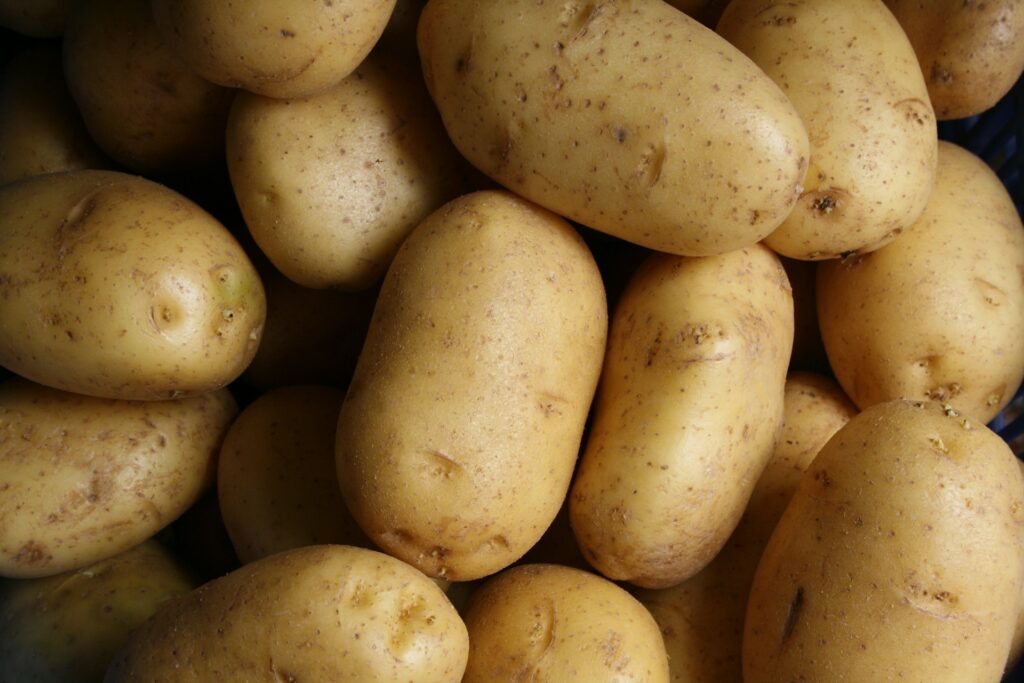
- Starch : It is the main carbohydrate reserve of plants. Found in cereals (wheat, rice, corn), tubers (potatoes) and legumes, it is composed of two main fractions:
- Amylose : linear structure facilitating compact storage.
- Amylopectin : a branched structure that allows for rapid glucose release.
- Glycogen : It is the equivalent of starch in animals and fungi. Stored mainly in the liver and muscles , it can be quickly mobilized to provide energy when needed.
Structural polysaccharides
These polysaccharides have an essential function in the structure and rigidity of plant, fungal and animal cells .
- Cellulose most abundant polysaccharide . Present in the cell walls of plants, it gives plants their rigidity and mechanical strength. It is made up of linear chains of glucose linked by β(1 → 4) , which makes it indigestible for humans but essential in the diet as dietary fiber .
- Chitin : Present in the shell of arthropods (crustaceans, insects) and the cell wall of fungi , chitin is a nitrogenous providing protection and strength.
Functional and specific polysaccharides
Some polysaccharides possess particular properties that make them of interest in the medical, cosmetic and agri-food fields.
- Glycosaminoglycans (GAGs) negatively charged polysaccharides play a key role in connective tissues and joint lubrication . Among them are hyaluronic acid (used in cosmetics and medicine for its moisturizing and anti-aging properties), as well as chondroitin and dermatan sulfate .
- Alginates, carrageenans and agar-agar : These polysaccharides of marine origin, extracted from brown and red algae, are used as thickeners and gelling agents in the food and cosmetic industries.
- Beta-glucans : Found in cereals (oats, barley), mushrooms and certain yeasts, they are being studied for their immunomodulatory effects and their role in reducing blood cholesterol .
List of the main polysaccharides
| Name | Structure | Monomer | Connection | Kind | Source |
| Amyloidosis | linear | D-Glcp | α1 → 4 | Glucane | |
| Cellulose | linear | D-Glcp | β1 → 4 | Glucane | Vegetable |
| Chitin | linear | D-GlcN(Ac)p | β1 → 4 | Chitosan | Animal |
| Chondroitin | linear | D-GlcA, D-GalNAc | β1 → 4, β1 → 3 | Glycosaminoglycan | Animal |
| Hyaluronate | linear | D-GlcA, D-GlcNAc | β1 → 3, β1 → 4 | Glycosaminoglycan | Animal |
| Amylopectin | branched | D-Glcp | α1 → 4 | Glucane | Vegetable |
| Glycogen | branched | D-Glcp | α1 → 4 | Glucane | Animal |
| Starch | branched | D-Glcp | α1 → 4, α1 → 6 | Glucane | Vegetable |
| Arabinoxylanes | branched | L-Ara, D-Xyl | β1 → 4, β1 → 3 | Hemicellulose | Vegetable |
| Beta-glucans | linear/branching | D-Glcp | β1 → 3, β1 → 4 | Glucane | Vegetable |
| Galactomannanes | linear/branching | D-Gal, D-Man | β1 → 4 | Galactomannan | Vegetable |
| Oligosaccharides | variable | Miscellaneous | Miscellaneous | Miscellaneous | Vegetable |
| Xyloglucans | branched | D-Xyl, D-Gal | β1 → 4 | Hemicellulose | Vegetable |
| hemicellulose | variable | Miscellaneous | Miscellaneous | Miscellaneous | |
| Pectin | branched | D-GalA, D-Rha | α1 → 4 | Homogalacturonan | Vegetable |
| Agar-agar | linear | D-Gal, 3,6-anhydro-L-Gal | α1 → 3, β1 → 4 | Sulfated polysaccharide | Algae |
| Alignate | linear | D-Man, L-Gul | β1 → 4 | Uronic polysaccharide | Algae |
| Carrageenan | linear | D-Gal, 3,6-anhydro-D-Gal | α1 → 3, β1 → 4 | Sulfated polysaccharide | Algae |
| Ulvane | Linear | L-Rham, D-GluA, D-Xyl | Miscellaneous | Sulfated polysaccharide | Algae |
| Curdlane | Linear | β-D-(1,3)-glucan | β1 → 3 | Glucane | Bacterial |
| Pullulane | Linear | α-D-(1,4)-glucan | α1 → 4 | Glucane | Bacterial |
| Gellane | Linear | D-Glc, D-GalA, L-Rha | β1 → 4 | Uronic polysaccharide | Bacterial |
| Xanthan gum | branched | D-Glc, D-Man | β1 → 4, β1 → 3 | Polysaccharide | Bacterial |
| Scleroglucan | branched | D-Glc | B13 | Glucane | mushroom |
| Dextran | branched | AD-(1,6)-glucan | a16 | Glucane | Bacterial |
| Zanflo | branched | D-Man, D-Glc | B14, B13 | Polysaccharide | Bacterial |
Structure and physicochemical properties
Solubility and hydrophilicity
Polysaccharides have a high capacity to interact with water . Some, such as pectins and plant gums , are highly soluble and can form gels used as food thickeners (e.g., jams, sauces).
Others, such as cellulose , are insoluble and form rigid fibers that facilitate intestinal transit and provide a feeling of satiety.
Gel formation and viscosity
Some polysaccharides, when dissolved in water, form viscous or gelled , depending on their concentration and molecular structure.
- Starches and pectins are responsible for the thick texture of many food products.
- Carrageenans and alginates are used to stabilize and structure dairy products, sauces, and cosmetics.
Chemical properties and biodegradability
- Polysaccharides are biodegradable and play a major ecological role as a renewable resource .
- Their enzymatic breakdown allows their assimilation by the body or their natural recycling in ecosystems.
These properties explain their importance in sectors such as agri-food, medicine, bioplastics and pharmacology .
This first part lays the groundwork for understanding polysaccharides, detailing their structure, classification, and main characteristics. The following sections will address their dietary sources, their impact on health, and analytical methods in the laboratory.
Presence of polysaccharides in food and nature
Polysaccharides are ubiquitous in our diet and in the environment. Their structural diversity allows them to perform various biological and nutritional functions. Some are used as energy sources, while others play a structural or functional role in the body. This section details the main sources of polysaccharides in food and nature.
Which foods contain polysaccharides?
Dietary polysaccharides fall into two main categories: digestible polysaccharides , which provide energy in the form of glucose, and indigestible polysaccharides , which act as dietary fiber and contribute to intestinal health.
Digestible polysaccharides
These polysaccharides are essential energy sources for the body. They are hydrolyzed into glucose by digestive enzymes before being absorbed and used by cells.
- Starch :
- Present in cereals (wheat, rice, corn, oats), legumes (lentils, chickpeas, beans) and tubers (potatoes, sweet potatoes, cassava).
- Composed of two fractions : amylose (linear structure) and amylopectin (branched structure), which influence the digestibility and glycemic index of foods.
- Glycogen :
- Primarily found in the liver and muscles of animals .
- Rapidly mobilized into glucose to provide energy when needed.
- Less present in the human diet, except in the case of consumption of fresh meat or offal .
Non-digestible polysaccharides (dietary fiber)
These polysaccharides are not broken down by human digestive enzymes, but are fermented by the gut microbiota , thus playing an essential role in regulating transit and intestinal health .
- Cellulose :
- Present in fruits, vegetables, whole grains, legumes.
- It adds structure to plant cell walls and improves the feeling of satiety.
- Promotes good intestinal transit by stimulating peristalsis.
- Hemicelluloses :
- Soluble fibers are found in whole grains, nuts, and green vegetables.
- Role in modulating intestinal viscosity and nutrient absorption.
- Pectins :
- Abundant in fruits (apples, citrus fruits, quinces, plums).
- Used in the food industry as natural gelling agents (e.g., jams).
- They contribute to reducing blood cholesterol and regulating blood sugar.
- Beta-glucans :
- Present in oats, barley, and mushrooms.
- Proven effects on cholesterol reduction and immunity strengthening.
Natural sources of polysaccharides
Polysaccharides are not limited to human food. They are found in various organisms and natural environments where they play essential biological roles .
Plant-derived polysaccharides
- Cellulose : a major component of plants and trees . It provides structural rigidity to cell walls.
- Hemicellulose : a polysaccharide associated with cellulose , playing a role in the cohesion of plant fibers .
- Starch : the main carbohydrate reserve of plants.
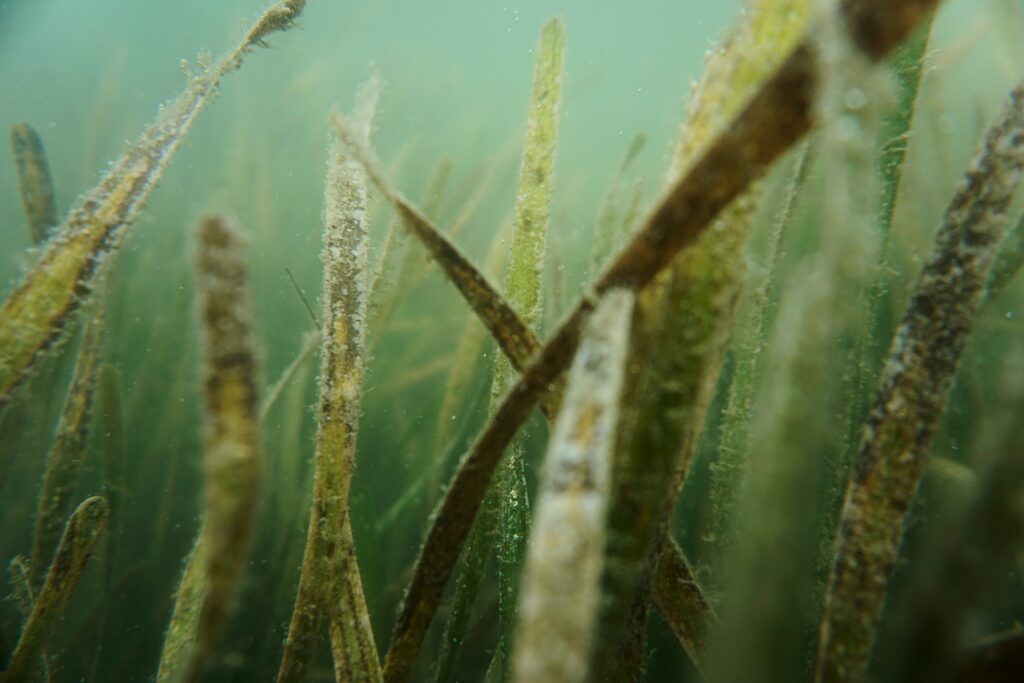
Polysaccharides of algal origin
Algae produce polysaccharides with applications in the food and cosmetics industries :
- Carrageenans (red algae): gelling and thickening agents used in dairy products and cosmetics.
- Agar-agar (red algae extract): natural gelling agent used in confectionery and in microbiological culture media.
- Alginates (brown algae): thickeners used in the pharmaceutical and food industries .
Microbial polysaccharides
Some microorganisms produce exopolysaccharides , which are used as texturizing and stabilizing agents .
- Xanthan gum : a polysaccharide secreted by the bacterium Xanthomonas campestris , used as a natural thickener in the food industry.
- Dextran : used in the pharmaceutical industry to improve blood circulation.
- Curdlane : a polysaccharide derived from bacteria , used in processed foods for its thermal stability.
Polysaccharides of animal origin
- Glycogen , the main reserve polysaccharide in animals , is stored in the liver and muscles .
- Glycosaminoglycans (GAGs) , components of connective tissues, cartilage and joint fluids :
- Hyaluronic acid : used in cosmetics and medicine moisturizing and anti-aging properties .
- Chondroitin : used to support joint health .
The importance of polysaccharides in a balanced diet
Polysaccharides play an essential role in human nutrition:
- Energy source : starch and glycogen provide essential carbohydrates for muscle and brain function .
- Digestive health : dietary fiber promotes intestinal transit and modulates the microbiota .
- Metabolic regulation : certain polysaccharides reduce blood glucose and cholesterol .
A diet rich in dietary fiber and complex carbohydrates from natural sources is essential for digestive and metabolic well-being .
This second part demonstrates the importance of polysaccharides in food and nature , highlighting their sources, biological roles, and effects on health . The following section will address the specific benefits of polysaccharides and their applications in the food, cosmetic, and nutraceutical industries.
Are you looking for an analysis?
Benefits and applications of polysaccharides
Polysaccharides play a vital role in the proper functioning of the body and are widely used in various industrial sectors. Their physicochemical properties give them applications in health, nutrition, cosmetics, and the pharmaceutical industry . This section explores their health benefits as well as their numerous industrial uses.
The health benefits of polysaccharides
Polysaccharides have proven beneficial effects on metabolism, digestion, and immunity. Some are sources of energy , while others act as dietary fiber or bioactive agents.
Improved intestinal transit and prebiotic effect
Dietary fibers ( cellulose, hemicellulose, pectin, beta-glucans) play a fundamental role in regulating intestinal transit .
- Effect on the gut microbiota :
- Fermentable polysaccharides (pectin, inulin, oligosaccharides) promote the growth of beneficial bacteria such as bifidobacteria and lactobacilli .
- Prebiotic action : improves the balance of the microbiota, thus reducing digestive disorders and intestinal inflammation.
- Transit regulation :
- Soluble fibers (pectins, gums, beta-glucans) form a gel in the intestine, slowing down the absorption of nutrients and promoting stable blood sugar levels .
- Insoluble fibers (cellulose, hemicelluloses) increase stool volume and prevent constipation .
- Insoluble fibers (cellulose, hemicelluloses) increase stool volume and prevent constipation .
Blood sugar regulation and cholesterol reduction
Some polysaccharides participate in metabolic control , reducing the risk of diabetes and cardiovascular disease.
- Hypoglycemic effect :
- Slow-digesting polysaccharides, such as amylose and soluble fiber , reduce postprandial blood sugar spikes.
- Beta-glucans slow down the digestion of carbohydrates and improve insulin sensitivity .
- Cholesterol reduction :
- Soluble fibers capture bile acids in the intestine, reducing cholesterol absorption.
- Beta-glucans and pectins are known for their ability to lower LDL (bad cholesterol) levels .
Immune system strengthening
Some bioactive polysaccharides possess immunomodulatory properties .
- Beta-glucans , found in oats, barley and mushrooms, stimulate immune cells (macrophages, lymphocytes).
- Medicinal mushroom polysaccharides (shiitake, reishi) are being studied for their anti-tumor effect and their ability to enhance the immune response .
Applications of polysaccharides in industry
Thanks to their varied functional properties , polysaccharides are used in many fields : food, cosmetics, pharmaceuticals and biomedicine.
Food processing industry
Polysaccharides are widely used as texturizing, thickening and stabilizing agents in food.
- Gelling and thickening agents :
- Pectins (used in jams, yogurts).
- Carrageenans and alginates (stabilizers for dairy products, creams, sauces).
- Modified starches (thickening agents for soups, sauces, prepared dishes).
- Improved texture and preservation :
- Adding dietary fiber improves the texture of processed foods and extends their shelf life .
- Inulin is used as a substitute for sugar or fats in low-fat products.
Pharmaceutical and nutraceutical industry
Polysaccharides are used for their therapeutic and functional properties .
- Excipients and controlled-release agents :
- Polysaccharides are used to coat medications , ensuring a prolonged release of the active ingredients .
- Hyaluronic acid is used for intra-articular injections in the treatment of osteoarthritis.
- Immune-stimulating and anti-inflammatory effects :
- Beta-glucans are included in dietary supplements to boost immunity.
- Algal polysaccharides (fucoidan) have shown antiviral and anticancer properties .
Cosmetics industry
Some polysaccharides are used for their moisturizing, thickening and film-forming properties .
- Hyaluronic acid :
- Moisturizing and anti-aging, it is used in creams, serums and dermatological injections .
- Capacity to retain up to 1000 times its weight in water , ensuring intense hydration.
- Alginates and carrageenans :
- Used as film-forming and texturizing agents in gels, creams and beauty masks.
- Fungal polysaccharides (β-glucans, chitin) :
- Soothing and restorative properties for the skin, present in dermatological care products.
Innovations and future prospects
Research on polysaccharides is paving the way for new technological and medical applications .
- Bioplastics : development of biodegradable packaging based on polysaccharides such as cellulose and starch.
- Regenerative medicine : use of polysaccharides as bioengineering materials (hydrogels for tissue repair).
- Functional nutrition : incorporation of bioactive polysaccharides to improve metabolic and intestinal health.
Polysaccharides are therefore essential biomolecules innovative pharmaceutical, medical, and industrial applications . The next section will focus on laboratory analysis methods and the challenges of quality control for polysaccharides in different sectors.
Laboratory analysis of polysaccharides
Polysaccharides play a crucial role in many sectors, and their laboratory analysis is essential to ensure their quality, purity, and compliance with applicable regulations. Specialized laboratories use various analytical techniques to identify, quantify, and characterize these biomolecules in food, pharmaceuticals, cosmetics, and industrial materials.
When analyzing polysaccharides in the laboratory, it is essential to identify their potential degradation products. For example, under certain acidic conditions, polysaccharides can convert to levulinic acid , a compound of interest in green chemistry and biomass valorization. Learn more about the properties and applications of levulinic acid .
Objectives of polysaccharide analysis
Laboratory analysis of polysaccharides aims to achieve several objectives:
- Determine the composition and molecular structure : identification of the types of sugars present and their bonds.
- Quantifying polysaccharide content : assessing the concentration of complex carbohydrates in food, pharmaceutical and cosmetic products.
- Check purity and detect contaminants : ensure the absence of undesirable contaminants such as chemical residues, mycotoxins or microbiological impurities.
- Analyze the functionality and physico-chemical properties : study the solubility, viscosity, interactions with other components and the impact of polysaccharides on the texture and stability of formulations.
Methods for analyzing polysaccharides
Different analytical methods are used to characterize polysaccharides according to their structure and function.
High-performance liquid chromatography (HPLC)
HPLC technique to separate and identify the carbohydrate components of polysaccharides after enzymatic or chemical hydrolysis.
- Benefits :
- Allows for precise quantification of constituent sugars (glucose, galactose, mannose…).
- Suitable for the analysis of food, pharmaceutical and cosmetic polysaccharides .
- Applications :
- Quality control of beta-glucans in oats and barley.
- Dosage of inulin in food supplements.
- Identification of polysaccharides present in extracts of medicinal mushrooms.
Fourier transform infrared (FTIR) spectroscopy
FTIR is a rapid and non-destructive technique that allows the identification of functional groups of polysaccharides through their infrared absorption.
- Benefits :
- fast and reliable method for identifying the structure of polysaccharides.
- Useful for detecting chemical modifications (sulfation, acetylation).
- Applications :
- Identification of carrageenans and alginates in cosmetic and food products .
- pharmaceutical formulations .
Size exclusion chromatography (SEC)
SEC is used to determine the molecular size of polysaccharides and to assess their degree of polymerization.
- Benefits :
- Precise analysis of the distribution of molar masses of polysaccharides.
- Essential for controlling the quality of food and pharmaceutical hydrocolloids .
- Applications :
- Study of polysaccharides in vaccine formulations and biopolymers .
- Viscosity control of hyaluronic acid solutions used in cosmetics and medicine.
Enzymatic and colorimetric methods
Some methods use specific enzymes to hydrolyze polysaccharides and quantify the sugars released via colorimetric reactions.
- Phenol-sulfate method : used to quantify total polysaccharides .
- DNS (3,5-dinitrosalicylic acid) test : measures the concentration of reducing sugars after enzymatic hydrolysis.
- Dietary fiber analysis : gravimetric method to differentiate between soluble and insoluble fibers .
These techniques are commonly used in food and nutraceutical testing laboratories .
Standards and regulations for polysaccharide analysis
Polysaccharide analysis must adhere to strict standards to ensure consumer safety and product compliance with applicable legislation.
ISO standards and COFRAC accreditation
The laboratories performing these analyses must comply with ISO 17025 standards , guaranteeing technical competence and the reliability of the results .
- Examples of applicable standards :
- ISO 11062: Method for the determination of beta-glucans in cereal products.
- ISO 16634: Determination of protein and polysaccharide content in food products.
European and American regulations
- Regulation (EC) No 1924/2006 : governs nutrition and health claims for polysaccharides used in food.
- Regulation (EC) No 1935/2004 : governs materials in contact with foodstuffs , in particular polysaccharides used in the manufacture of biodegradable packaging .
- FDA (United States) standards : guidelines for the use of polysaccharides in cosmetics, drugs, and dietary supplements
Importance of quality control of polysaccharides
Quality control of polysaccharides is essential to ensure their efficacy and safety .
- Purity verification : removal of chemical and microbiological contaminants .
- Formulation validation : checking textures, stability and interactions with other ingredients.
- Optimization of industrial processes : adjusting production conditions to ensure compliance with international standards .
YesWeLab 's partner laboratories specialize in polysaccharide analysis, guaranteeing reliable results for food , cosmetics and pharmaceutical .
This section highlights the importance of laboratory analysis to ensure the quality and conformity of polysaccharides . The next section will discuss future prospects for innovation and research on these biomolecules.
Innovations and future prospects of polysaccharides
Polysaccharides represent a rapidly expanding field of research, with applications extending far beyond their traditional uses. New discoveries are enabling the exploitation of their unique properties in emerging sectors, ranging from biomaterials to advanced therapies . This final section explores recent innovations and future prospects for polysaccharides in various industrial and scientific fields.
Development of biomaterials and biodegradable packaging
Polysaccharides offer alternatives to synthetic polymers for the manufacture of biomaterials and eco-friendly packaging.
Bioplastics and biodegradable films
- Cellulose and starch are used to produce biodegradable films that replace conventional plastics.
- Nanocelluloses improve the mechanical resistance of bioplastics and optimize their barrier against moisture and oxygen .
- Edible films based on polysaccharides, such as alginate or pectin , are developed to protect food while still being edible.
Encapsulation and controlled release of active ingredients
- In the pharmaceutical and cosmetic industries, polysaccharides are used as encapsulation matrices to protect and gradually release active molecules.
- Natural gelling agents such as agar-agar and xanthan gum natural cosmetic and medicinal formulations .
- Hyaluronic acid is an example of a polysaccharide used for the prolonged release of therapeutic substances in dermatological treatments.
Applications in medicine and tissue engineering
Polysaccharides are finding new applications in regenerative medicine and advanced therapies .
Polysaccharides and biomedicine
- Hyaluronic acid is used to treat osteoarthritis, burns and wrinkles , thanks to its hydrating and regenerative properties .
- Beta -glucans derived from medicinal mushrooms are being studied for their immunostimulating and anti-cancer effects .
- Fucoidans , sulfated polysaccharides from algae, exhibit antiviral, anticoagulant and anti-inflammatory activities .
Tissue engineering and wound healing
- Chitin and chitosan are used in the development of smart dressings , promoting wound healing.
- Polysaccharides form biomimetic hydrogels that serve as a support for cell culture and tissue regeneration .
- Tissue engineering explores the use of polysaccharides as scaffolds to promote the growth of new biological tissues .
Polysaccharides and artificial intelligence: towards advanced analysis
With the rise of artificial intelligence (AI) and advanced analytical methods , the characterization of polysaccharides is becoming more precise.
AI-assisted spectroscopic analysis
- Machine learning algorithms are FTIR, NMR and chromatography spectroscopy data , facilitating the identification of complex polysaccharide structures .
- AI makes it possible to optimize food, cosmetic and pharmaceutical formulations by predicting interactions between polysaccharides and other components.
Molecular modeling and simulations
- Computer modeling helps to understand the interactions between polysaccharides and proteins , paving the way for new biomaterials and drugs.
- Molecular dynamics studies make it possible to anticipate the rheological and gelling properties of polysaccharides, thus improving their industrial use.
Future Challenges and Issues
Despite their multiple applications, polysaccharides face several challenges to overcome for widespread adoption.
Optimization of extraction and purification processes
- Natural polysaccharides require environmentally friendly extraction methods to avoid the use of toxic solvents .
- Innovation in enzymatic processes makes it possible to improve the purity and bioavailability of polysaccharides.
Regulations and scientific validation
- The regulatory framework for health claims of polysaccharides must be strengthened to ensure their efficacy and safety .
- International standards must evolve to adapt to new biomedical and food applications .
Accessibility and cost of new technologies
- Polysaccharide-based innovations must be economically viable to be adopted on a large scale.
- The establishment of sustainable supply chains will help meet the growing demand for natural polysaccharides .
Frequently Asked Questions (FAQ) about polysaccharides
What are polysaccharides?
Polysaccharides are complex carbohydrates made up of long chains of monosaccharides linked by glycosidic bonds. Unlike monosaccharides (glucose, fructose) and disaccharides (sucrose, lactose), polysaccharides have more complex structures, which gives them a variety of properties.
Classification of polysaccharides
There are two main categories of polysaccharides:
- Homopolysaccharides : these are made up of only one type of monosaccharide. Examples:
- Starch of plants).
- Glycogen ( energy reserve of animals).
- Cellulose a glucose polymer that plays a structural role in plants).
- Heteropolysaccharides : These are composed of several types of monosaccharides. Examples:
- Pectins (soluble fibers found in fruits) .
- Hemicelluloses ( components of plant cell walls).
- Glycosaminoglycans ( present in cartilage and connective tissues).
- Glycosaminoglycans ( present in cartilage and connective tissues).
Which foods contain polysaccharides?
Polysaccharides are naturally present in a wide variety of foods.
Main food sources
- Cereals and tubers : rice, wheat, maize, potatoes, sweet potatoes, cassava (source of starch).
- Legumes : lentils, chickpeas, kidney beans (rich in fiber and resistant starch).
- Fruits and vegetables : apples, citrus fruits, bananas, carrots (rich in pectin and fiber).
- Seaweed and mushrooms : kombu, wakame, shiitake (containing bioactive polysaccharides such as beta-glucans).
These polysaccharides play a nutritional and functional , influencing digestion, satiety, and intestinal health.
What is the difference between a monosaccharide and a polysaccharide?
Monosaccharides are the basic units of carbohydrates, consisting of a single simple sugar (examples: glucose, fructose, galactose). Polysaccharides , on the other hand, are polymers formed from several monosaccharides linked together by glycosidic bonds .
| Characteristic | Monosaccharides | Polysaccharides |
| Structure | Simple (one unit) | Complex numbers (chains of multiple units) |
| Solubility | Water soluble | Insoluble or partially soluble |
| Sweetening power | Pupil | Weak or non-existent |
| Role | Rapid energy source | Energy storage, cell structure, dietary fiber |
| Examples | Glucose, fructose | Starch, cellulose, glycogen |
Is glucose a polysaccharide?
No, glucose is a monosaccharide , meaning a simple sugar used by the body as an immediate source of energy . However, several glucose molecules can combine to form polysaccharides such as:
- Amylose and amylopectin (constituents of starch).
- Glycogen (energy reserve of animals).
- Cellulose (structural component of plant cell walls).
What are the effects of polysaccharides on health?
Polysaccharides play an essential role in the body, notably by influencing digestion, metabolism and the immune system .
Benefits of polysaccharides
- Blood sugar regulation : soluble fiber slows down glucose absorption, contributing to better diabetes control .
- Improved gut health : Prebiotic fibers nourish the gut flora and promote digestion.
- Immune system support : certain bioactive polysaccharides (beta-glucans) strengthen the immune response.
- Prevention of cardiovascular diseases : polysaccharides such as inulin and pectins help to reduce cholesterol .
However, excessive consumption of fermentable polysaccharides (e.g., fructans, galactans ) can cause bloating and digestive problems in some sensitive individuals.
How are polysaccharides extracted and analyzed in the laboratory?
Laboratory analysis of polysaccharides is essential to evaluate their structure, purity, and functional properties .
Main steps of the analysis
- Extraction : Polysaccharides are extracted from natural matrices (plants, algae, fungi) using aqueous solvents or enzymatic processes.
- Purification : removal of proteins, lipids and other impurities by ultrafiltration, alcoholic precipitation or chromatography .
- Characterization :
- Infrared spectroscopy (FTIR) to identify functional groups.
- High-performance liquid chromatography (HPLC) to analyze constituent sugars.
- Nuclear magnetic resonance (NMR) to determine the three-dimensional structure of complex polysaccharides.
Specialized laboratories, such as those in the YesWeLab , apply these methods within the framework of strict quality controls to guarantee the conformity of polysaccharides to ISO 17025 and COFRAC .
YesWeLab: Expertise in polysaccharide analysis
The food, cosmetics, pharmaceutical, and nutraceutical industries require precise analyses to guarantee the quality, safety, and regulatory compliance of the polysaccharides used in their formulations. YesWeLab , through its network of over 200 partner laboratories, offers a wide range of analytical services to support manufacturers in the characterization and control of these essential biomolecules.
Why analyze polysaccharides in the laboratory?
Polysaccharide analysis is essential for:
- Check their composition and structure to ensure they comply with technical specifications.
- Controlling the purity and concentration of polysaccharides in food, pharmaceutical and cosmetic products.
- Detect the presence of impurities or potential contaminants that could alter the quality of the final product.
- Ensure regulatory compliance with international standards such as ISO 17025 and the requirements of health authorities (EFSA, FDA).
Thanks to laboratory analyses, it is possible to optimize formulations, improve product performance and anticipate potential stability problems or interactions with other ingredients.
Tailor-made support for manufacturers
YesWeLab goes beyond simply performing analyses. The company offers personalized support , including:
- Advice on choosing the appropriate analytical methods for each type of product and polysaccharide.
- Interpretation of results and technical recommendations to improve product formulation and performance.
- Assistance with regulatory compliance based on the specific requirements of European and international markets.
- Fast service and total traceability thanks to a digital platform allowing centralized orders, tracking of samples and receiving results online .
Polysaccharide analysis is essential to ensure the quality, safety, and efficacy of products containing these biomolecules. Thanks to its scientific expertise and network of accredited laboratories , YesWeLab offers manufacturers advanced analytical solutions to meet their quality control and regulatory compliance needs.
With cutting-edge methods and tailored support, YesWeLab is the ideal partner for companies wishing to optimize their formulations and ensure the reliability of their polysaccharide-based products .