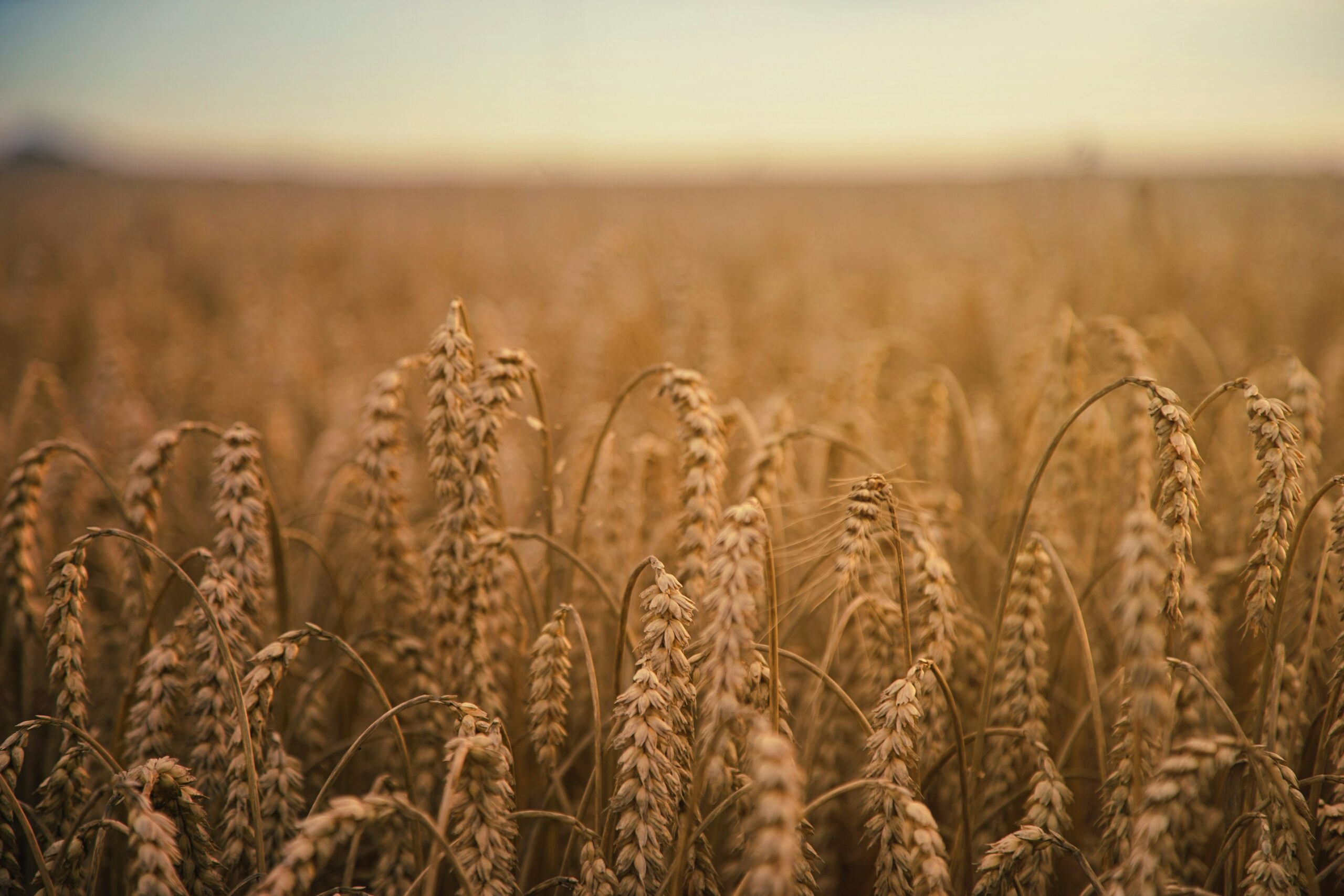
Mycotoxins are toxic compounds produced by certain molds that commonly contaminate cereals and other agricultural products. Their presence in the food chain poses serious risks to human and animal health, with effects ranging from simple digestive upsets to severe poisoning. The impact of these toxins and the measures to control them are therefore essential topics for stakeholders in the agri-food sector , in order to guarantee the safety of finished products and protect consumer health. This article explores the characteristics of mycotoxins, their process of cereal contamination, prevention methods, as well as regulations and laboratory analysis techniques.
1. What are mycotoxins?
Definition and nature of mycotoxins
Mycotoxins are secondary metabolites, meaning chemical compounds produced by molds during certain stages of their development. Unlike essential nutrients, mycotoxins do not play a role in fungal metabolism; rather, they appear to be responses to stressful environmental conditions, such as humidity or competition with other microorganisms. These toxic substances are primarily formed in the field during plant growth, but can also develop during storage, especially under favorable conditions (high humidity, unsuitable temperatures).
The most common mycotoxins are produced by fungi of the genera Aspergillus , Fusarium , and Penicillium . These molds proliferate on cereals such as wheat, corn, and barley, as well as on nuts, dried fruits, and spices. Of the thousands of mycotoxins identified, only a few dozen pose significant risks to human and animal health due to their toxicity.
Types of mycotoxins and their toxicity
Mycotoxins affect numerous biological functions and can cause a variety of effects, depending on the dose and duration of exposure. Acute poisoning usually occurs following the ingestion of large quantities of mycotoxins, resulting in immediate symptoms such as nausea, vomiting, and abdominal pain. In contrast, chronic exposure, even at low doses, can lead to serious long-term effects, including:
- Immunosuppression : some mycotoxins, such as trichothecenes, weaken the immune system, increasing susceptibility to infections.
- Carcinogenic effects : Aflatoxins, produced by Aspergillus , are classified as carcinogenic by the WHO, particularly because of their impact on the liver.
- Endocrine disruption : Mycotoxins such as zearalenone mimic natural hormones, disrupting human and animal reproductive systems.
Animals are also vulnerable to the effects of mycotoxins, with direct impacts on their health, growth, and reproduction. In some animals, the consumption of contaminated grains can even lead to contamination of by-products, such as milk, which can then pose a risk to humans.
Conditions for the development of mycotoxins
The development of mycotoxins is strongly influenced by environmental conditions. The two main factors are temperature and humidity, which promote the proliferation of molds on cereals, especially during flowering. For example, fungi of the genus Fusarium , responsible for the production of deoxynivalenol (DON) and the trichothecenes T-2 and HT-2, thrive particularly well in humid conditions and during periods of rain.
Crop management also plays a crucial role. The absence of crop rotation, the selection of less resistant cereal varieties, and the lack of techniques such as tilling can create an environment conducive to contamination. Furthermore, once harvested, cereals must be stored under controlled conditions, as high humidity levels and unsuitable temperatures can encourage the growth of mycotoxin-producing molds.
2. The main mycotoxins present in cereals
Deoxynivalenol (DON)
Deoxynivalenol, commonly known as DON or vomitoxin, is one of the most frequent mycotoxins in cereals. Produced by the fungus Fusarium graminearum , this toxin is particularly common in temperate regions where climatic conditions favor its growth. DON frequently contaminates wheat, barley, oats, and sometimes corn. Although DON is relatively less toxic compared to other mycotoxins, its ingestion can still cause adverse effects, especially in animals.
In humans, DON poisoning can cause symptoms such as abdominal pain, nausea, vomiting, and diarrhea. In animals, this toxin can cause decreased appetite, digestive problems, and stunted growth, particularly in pigs, which are sensitive to DON. The consumption of DON-contaminated grains is therefore closely monitored, as chronic exposure, even at low doses, could lead to long-term health effects.
Aflatoxins
Aflatoxins, produced primarily by fungi of the genus Aspergillus (notably Aspergillus flavus and Aspergillus parasiticus ), represent one of the most toxic and concerning families of mycotoxins. These toxins are classified as carcinogenic to humans by the World Health Organization (WHO) due to their established link with liver cancer. Aflatoxins mainly contaminate corn and oilseeds, but they can also be present in grains stored under inappropriate temperature and humidity conditions.
Aflatoxin B1 is the most toxic and common form. Animals, particularly ruminants, can also be affected by aflatoxins, and their consumption of contaminated grains can lead to the presence of aflatoxin M1 in milk, a by-product that also poses risks to human health. Due to their toxicity, aflatoxins are subject to strict regulations to limit their presence in food products.
Zearalenone
Zearalenone is a mycotoxin produced by several Fusarium . This toxin, often found in corn, wheat, and barley, is known for its endocrine-disrupting effects. Zearalenone mimics female sex hormones (estrogens), causing hormonal imbalances in animals, including reproductive problems. Pigs are particularly susceptible to this toxin, but other livestock can also be affected.
In humans, prolonged exposure to zearalenone may also have hormonal effects, although research on this is still ongoing. Zearalenone is therefore subject to strict regulatory limits in food to prevent adverse impacts on human and animal health.
Fumonisines
Fumonisins are mycotoxins produced primarily by Fusarium verticillioides and Fusarium proliferatum , mainly affecting maize. These toxins are known for their potential toxicity to the liver and nervous system. In humans, fumonisin consumption is associated with an increased risk of esophageal cancer in certain regions of the world where contaminated maize is consumed in large quantities. In animals, fumonisins can cause leukoencephalomalacia in horses, a fatal disease that affects the brain, as well as growth and developmental problems in pigs.
The serious effects associated with fumonisins have led to the establishment of regulatory thresholds for these toxins, in order to limit their presence in cereals and ensure food safety.
T-2 and HT-2 Trichothecenes
T-2 and HT-2 toxins are type A trichothecenes, a subgroup of mycotoxins produced by certain Fusarium , notably Fusarium langsethiae . These toxins are found primarily in oats but can also contaminate wheat, barley, and corn. T-2 and HT-2 trichothecenes are considered more toxic than DON and can cause serious health effects.
In humans, acute exposure to these toxins can cause symptoms such as vomiting, abdominal pain, and fever. Long-term exposure can impair cell integrity, leading to immunosuppression and damage to internal organs. Animals, particularly poultry, can also suffer significant toxic effects due to their high sensitivity to trichothecenes T-2 and HT-2.
The risks associated with these mycotoxins have led European authorities to strengthen regulations and maximum thresholds for these toxins in cereals.
3. How do mycotoxins contaminate cereals?
Contamination factors in the field
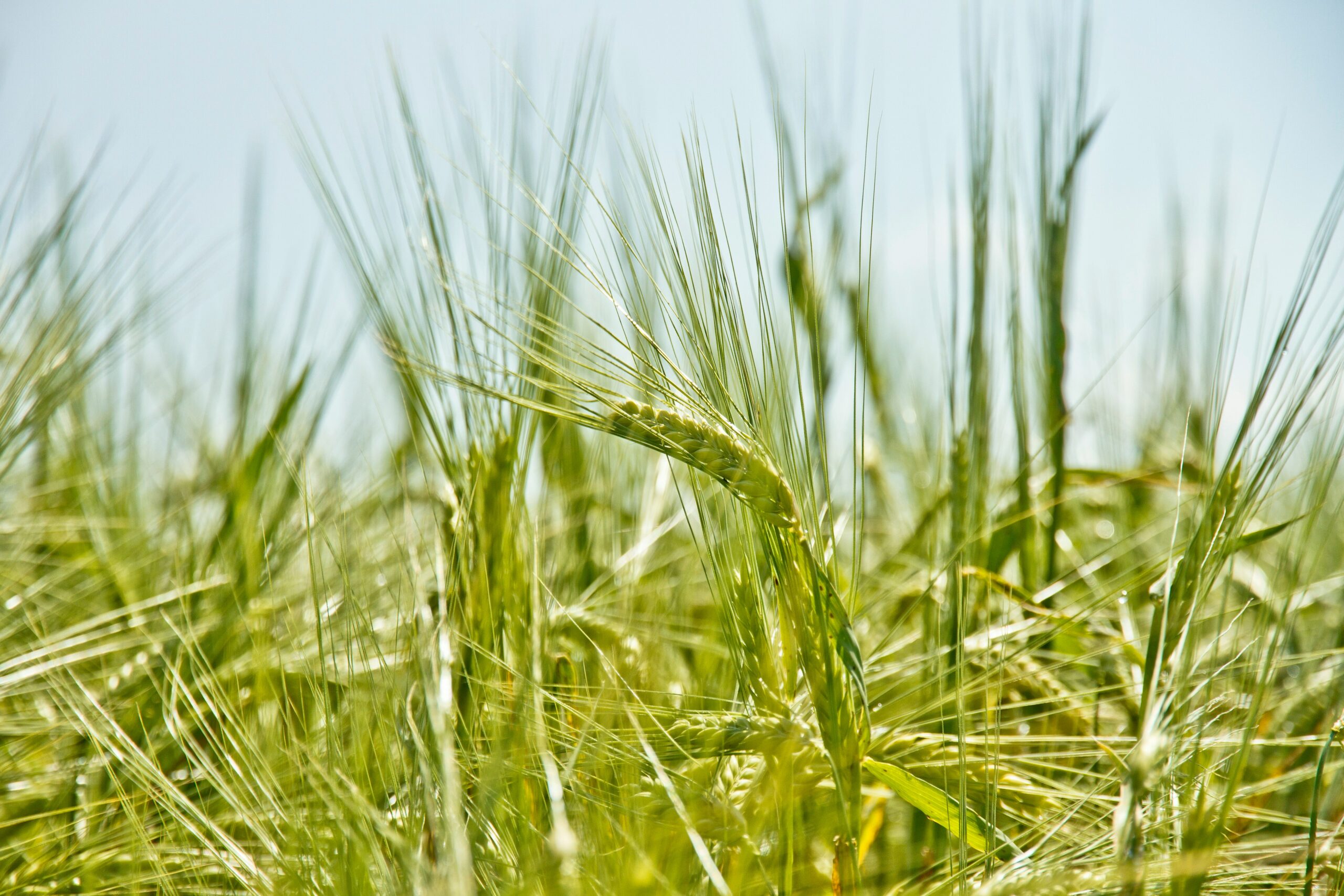
Mycotoxins develop primarily in the field, when cereals are exposed to environmental conditions favorable to the growth of the fungi that produce them. Climate is a key factor: high humidity, combined with mild or warm temperatures, creates an environment conducive to mold growth, particularly during cereal flowering. For example, Fusarium species , which produce mycotoxins such as deoxynivalenol (DON), thrive in humid and rainy conditions. Rainfall during the flowering period increases the risk of ear infection and, consequently, mycotoxin contamination.
Besides climatic conditions, agricultural practices also play a major role. Crop management methods, such as crop rotation, can reduce or increase the risk of contamination. Limited rotation, for example, by successively growing cereals on the same plot, promotes the accumulation of crop residues on which fungi can survive from one season to the next. Tilling is another important practice, as it buries crop residues, thus limiting the presence of molds on the soil surface and reducing the risk of contamination for subsequent crops.
Contamination in storage
Even after harvest, cereals remain vulnerable to mycotoxin contamination if storage conditions are not properly controlled. Mycotoxin-producing molds, such as those of the genera Aspergillus and Penicillium , thrive particularly well in humid and poorly ventilated environments. If grains are stored with high humidity or at inappropriate temperatures, the risk of contamination increases significantly.
Storage must therefore adhere to specific conditions to limit mold growth. Maintaining low grain moisture levels and ensuring well-ventilated storage facilities are essential to prevent moisture buildup. Grain should also be inspected regularly to identify and remove any damaged or contaminated parts, as damaged grain is more susceptible to fungal infections.
Impact of climate change on the proliferation of mycotoxins
Climate change adds another layer of complexity to managing mycotoxins in cereals. Rising average temperatures, combined with more frequent periods of drought and heavy rainfall, are altering the growth conditions of mycotoxin-producing fungi. Studies have shown that some fungal species could thrive in regions where they were previously absent, thus increasing the risk of contamination in new geographic areas.
Furthermore, extreme weather events can compromise plants' natural resistance to fungal infections. For example, prolonged drought followed by heavy rainfall creates stressful conditions for crops, making them more vulnerable to mold infections. In this context, farmers and producers must adapt their practices and closely monitor weather forecasts to anticipate periods of risk and adjust their prevention methods accordingly.
Are you looking for an analysis?
4. European regulations on mycotoxins
Regulatory framework in Europe
The European Union (EU) has established a strict regulatory framework to limit the presence of mycotoxins in food. This framework is primarily governed by Regulation (EU) 2023/915, which sets maximum permitted levels for several types of mycotoxins in cereals and other food products. In 2024, this framework was strengthened with Regulation (EU) 2024/1038, which introduced stricter limits for certain mycotoxins due to growing public health concerns.
The main types of mycotoxins regulated in Europe include aflatoxins, deoxynivalenol (DON), zearalenone, fumonisins, and trichothecenes T-2 and HT-2. Each type of mycotoxin has a specific maximum concentration threshold that must not be exceeded in food intended for human consumption. For example, the threshold for DON in common wheat was lowered from 1250 to 1000 µg/kg in 2024, and the threshold for trichothecenes T-2 and HT-2 was also increased for raw oats.
Maximum permitted limits for mycotoxins
The maximum permitted levels vary depending on the type of cereal and its intended use. Products intended for infant feeding, for example, are subject to much stricter limits due to the increased sensitivity of infants to the effects of mycotoxins. Here is an overview of the main maximum permitted levels:
- Aflatoxins : The limit for aflatoxins in maize and rice intended for human consumption is generally 10 µg/kg, with a specific limit of 5 µg/kg for aflatoxin B1 due to its higher toxicity.
- Deoxynivalenol (DON) : The threshold for DON is set at 1000 µg/kg in common wheat and barley, and at 1500 µg/kg for maize and durum wheat.
- Zearalenone : The limits for zearalenone in cereal products vary from 50 µg/kg to 100 µg/kg, depending on the type of product.
- Fumonisins : The maximum limit is 2000 µg/kg for fumonisins in maize intended for human consumption.
- Trichothecenes T-2 and HT-2 : The maximum thresholds for these toxins are 50 µg/kg in common wheat and 150 µg/kg in malting barley.
These thresholds aim to ensure that mycotoxin levels remain low enough to minimize health risks. Authorities regularly reassess these limits based on new scientific data and the risks of population exposure.
Mycotoxin monitoring and control mechanisms
To ensure product compliance with regulatory thresholds, rigorous monitoring mechanisms have been implemented at various levels of the supply chain. In Europe, each member state is responsible for implementing monitoring plans to control mycotoxin levels in food . The Directorate General for Competition, Consumer Affairs and Fraud Control (DGCCRF) in France, for example, regularly conducts checks on batches of cereals to verify that they comply with the established thresholds.
Controls involve sampling and laboratory analysis to measure mycotoxin concentrations. Laboratories must be accredited according to quality standards such as ISO 17025, ensuring accurate and reliable analyses. If a batch of grain exceeds the maximum levels, it is withdrawn from the market and may be repurposed for non-food use or destroyed. Regulations also prohibit the dilution of non-compliant batches with compliant batches to prevent any circumvention of regulatory limits.
Reassessment and adaptation of regulatory thresholds
Regulatory limits for mycotoxins are regularly reassessed based on scientific advances. For example, the EFSA (European Food Safety Authority) collects exposure data through monitoring programs and issues recommendations to adjust the limits as needed. The aim is to take into account new scientific knowledge, particularly regarding the toxic effects of certain mycotoxins, as well as changes in agricultural practices and climatic conditions, which influence cereal contamination.
5. Techniques for analyzing mycotoxins in cereals
Introduction to laboratory analysis methods
Mycotoxin analysis in cereals relies on high-precision methods, primarily chromatography and mass spectrometry. These techniques are designed to detect minute traces of toxins, often at concentrations on the order of micrograms per kilogram (µg/kg). By adhering to ISO 17025 and COFRAC standards, accredited laboratories guarantee the reliability and repeatability of analyses, thus providing producers with assurance of compliance with current regulatory thresholds.
Specialized laboratories, such as those in the YesWeLab group, use complex protocols to ensure that each analysis is performed according to rigorous standards. Modern equipment and the expertise of analytical chemistry specialists play a key role in ensuring the quality of the results.
Chromatography techniques: LC-MS/MS for multi-residue detection
Liquid chromatography coupled with tandem mass spectrometry (LC-MS/MS) is one of the most common and effective methods for mycotoxin analysis. The LC-MS/MS technique allows for the separation and detection of multiple mycotoxins in a single sample (multi-residue analysis), making it particularly useful for cereals that may contain various toxins, such as deoxynivalenol, zearalenone, and fumonisins.
The LC-MS/MS process consists of two key steps:
- Separation by liquid chromatography : The components of the sample are first separated according to their polarity. This step makes it possible to differentiate the molecules of interest (mycotoxins) from other compounds present in the cereals.
- Detection by tandem mass spectrometry : The separated molecules are then detected and quantified with high precision. Tandem mass spectrometry is particularly sensitive and allows the measurement of extremely low concentrations, even below regulatory thresholds.
This method is widely used to analyze multiple mycotoxins in a single operation, reducing analysis time and associated costs, while providing reliable results to ensure grain safety.
Laboratory accreditations and quality standards
Laboratories performing mycotoxin analyses must meet high quality standards, including ISO 17025, which guarantees technical competence and the validity of results. In France, COFRAC-accredited laboratories benefit from official recognition that attests to their ability to perform analyses according to standardized procedures.
Accreditations include regular checks of methods and equipment, as well as audits of analysts' skills. These stringent requirements ensure that analytical results are accurate and can be used to make food safety decisions.
Innovations and future detection methods
The field of mycotoxin analysis is constantly evolving, with innovations aimed at improving the sensitivity, speed, and accuracy of results. Next-generation mass spectrometry techniques, such as ultra-high-performance liquid chromatography (UPLC), are increasingly being adopted to reduce analysis times while increasing resolution. Similarly, rapid detection methods, such as sensor- and biosensor-based assays, are being developed to provide real-time monitoring solutions in the field.
6. Prevention of mycotoxin contamination of cereals
Agricultural practices to limit mycotoxins
Agricultural practices play a crucial role in preventing mycotoxins in the field. By adopting specific techniques, farmers can reduce the presence of mycotoxin-producing molds from the very beginning of plant growth.
- Crop rotation : Crop rotation is crucial to breaking the life cycle of mycotoxin-producing fungi. Alternating cereals with other crops, such as legumes, reduces the proliferation of contaminated residues and decreases the risk of fungal contamination.
- Selecting resistant varieties : Some cereal varieties exhibit better natural resistance to Fusarium or Aspergillus . Choosing resistant varieties, especially in high-risk areas, helps limit infestation of ears and grains.
- Sowing and harvesting dates : Planning sowing and harvesting minimizes the exposure of cereals to periods of high humidity or rainfall, conditions conducive to mold growth. Early sowing, for example, can reduce the risk of contamination by allowing the ears to mature before the wettest periods.
- Tillage and residue management : Tillage buries contaminated crop residues, thus limiting the sources of inoculum for subsequent crops. This reduces the likelihood of fungi surviving from one season to the next and contaminating new crops.
Storage practices to reduce the risk of contamination
Once the grain is harvested, storage becomes a crucial step to prevent mycotoxin contamination. Inadequate storage conditions can promote the growth of toxin-producing molds, even after harvest.
- Moisture control : Managing grain moisture is essential to prevent mold growth. Before storage, grain must be dried to an ideal moisture content (generally below 14%). Excessive moisture promotes mold growth in silos and other storage facilities.
- Ventilation and temperature control : Storage facilities must be well ventilated and kept at cool temperatures to prevent condensation and moisture buildup. Ventilation systems help reduce hot spots, which can accelerate mold growth.
- Grain cleaning and sorting : Before storage, grains must be sorted to remove damaged grains, as these are more susceptible to contamination. Cleaning storage facilities and equipment is also important to prevent cross-contamination.
- Regular monitoring and testing : During storage, it is essential to regularly monitor humidity and temperature conditions and to conduct tests to check mycotoxin levels. This monitoring allows for the early identification of any signs of contamination and intervention before toxin levels become problematic.
Integrated pest management
Pests, such as borer insects, can also contribute to mycotoxin contamination of cereals by damaging the grains, making them more vulnerable to fungal infections. Integrated pest management is an effective approach to limiting the impact of these pests on cereal crops.
- Biological methods : The use of biological methods, such as the introduction of parasitoid trichogramma or the application of Bacillus thuringiensis , makes it possible to reduce populations of harmful insects without resorting to chemical insecticides.
- Insecticides that respect beneficial insects : When the use of insecticides is necessary, choosing products that respect beneficial insects (natural predators of pests) helps to maintain an ecological balance while protecting cereals from parasites.
7. Importance of mycotoxin analysis for the agri-food industry
The role of analytical laboratories in food safety
Analytical laboratories play a crucial role in enabling agri-food companies to verify the presence and levels of mycotoxins in cereal products. The analyses conducted by these laboratories identify hazardous mycotoxins, such as deoxynivalenol, aflatoxins, and fumonisins, by quantifying their concentration to ensure compliance with regulatory limits.
Laboratories like YesWeLab, specializing in agri-food analysis, offer a range of analytical services tailored to the needs of every player in the supply chain. By conducting rigorous checks at each stage – from harvesting to processing – these laboratories guarantee the safety of products placed on the market and prevent risks to consumer health.
Advantages for cereal producers
For producers, using mycotoxin testing helps ensure the quality of their harvests and secure their supply chain. Producers can therefore:
- Check the quality of their harvests before sale or storage, ensuring that mycotoxin levels remain within permitted limits.
- Anticipating risks by quickly identifying contaminated batches helps prevent mixing with clean batches and minimizes economic losses.
- Optimizing their agricultural practices based on analysis results provides them with valuable insights to adapt crop prevention and management techniques.
Producers who adopt practices based on analytical results can improve the safety of their products, thereby limiting the risks of downgrading and rejection of their harvests.
Ensuring compliance for transformers and distributors
For grain processors, ensuring batch compliance is essential to avoid penalties and protect their reputation. Mycotoxin testing offers several advantages at this stage of the supply chain:
- Quality assurance of processed products : Processors can ensure that finished products, such as flours, pasta or biscuits, meet health and regulatory standards.
- Proactive risk management : By detecting contaminated batches before processing, companies limit losses by avoiding the processing of non-compliant raw materials.
- Enhanced traceability : Analysis results allow for documenting product quality at each stage, facilitating batch tracking and traceability, thus ensuring transparency towards customers and authorities.
Distributors, for their part, also benefit from the reliability of the analyses to offer quality products to consumers. Product compliance on the shelves ensures their safety and helps maintain customer confidence.
Centralizing analytical needs with YesWeLab
YesWeLab stands out for its innovative approach to centralizing analytical needs. Through a digital platform, YesWeLab enables agri-food professionals to manage all their analyses in a simplified way. This solution offers several advantages for professionals in the grain sector:
- Ordering and tracking analyses : The platform allows customers to easily find the analyses they need, ship samples, and track the progress of tests in real time.
- Full traceability and archiving of results : Results are accessible online, facilitating access to traceability data and archiving for audits and inspections.
- Reduced execution times : By centralizing analyses, processing times are optimized, and results are available more quickly, enabling proactive risk management.
YesWeLab's offering is therefore a valuable tool for cereal producers, processors, and distributors, enabling them to ensure that their products comply with standards and meet the expectations of consumers and authorities.