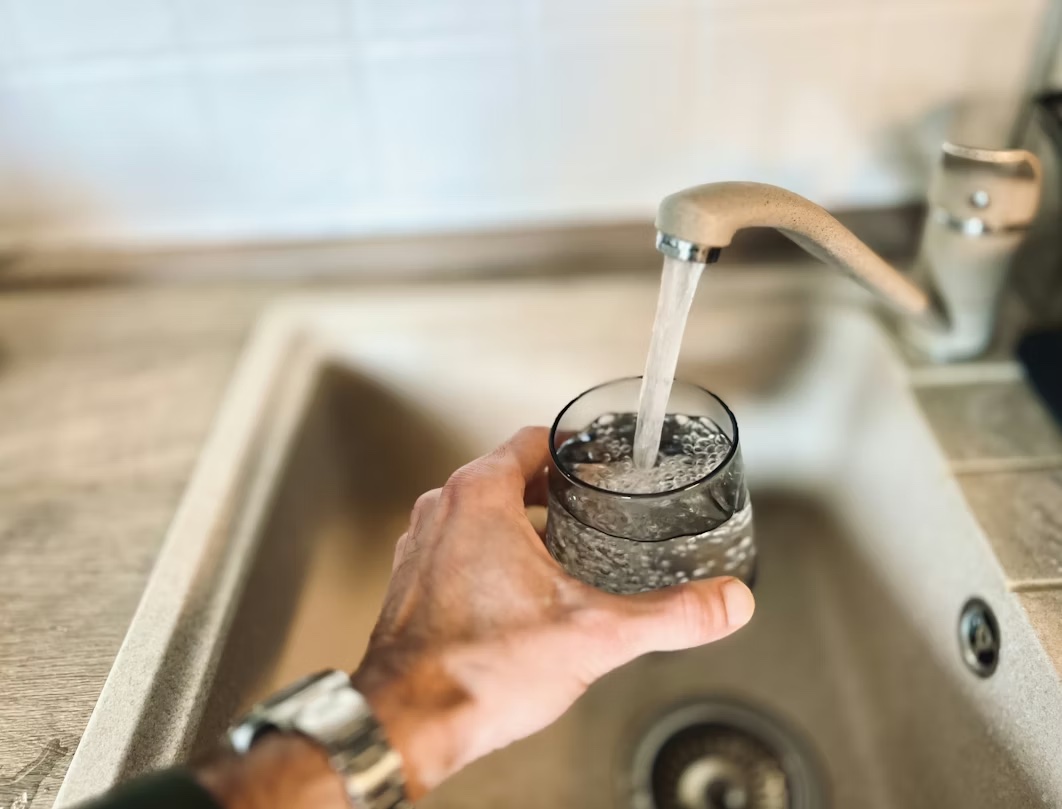
Ethylenediaminetetraacetic acid, more commonly known as EDTA, is a versatile chemical used in numerous sectors, from medicine and industry to food and beverage . Since its discovery in 1935 by chemist Ferdinand Münz, EDTA has distinguished itself through its metal-binding properties, making it a highly effective chelating agent. This chemical compound is essential for treating metal ions in solutions, stabilizing consumer products, and even playing a crucial role in medical treatments and laboratory analyses.
In this first part, we will explore in detail the chemical properties of EDTA, its structure, as well as its functioning at the molecular level.
1. Chemical properties of EDTA
Molecular structure and chemical formula
EDTA, or ethylenediaminetetraacetic acid, has the chemical formula C10H16N2O8. Its complex structure consists of four carboxylate groups (-COO-) and two amine groups (-NH-), allowing it to act as a hexadentate ligand, meaning it can bind to a metal ion through six different bonding sites. Depending on the application and the nature of the metals to be complexed, EDTA can also act as a tetradentate ligand by using only the carboxyl sites, thus leaving the amine groups available.
EDTA is frequently used in salt form to improve its solubility and facilitate its use in various applications. Commonly used salts include disodium EDTA, tetrasodium EDTA, and calcium disodium EDTA. These forms allow EDTA to be used in aqueous solutions, where it can effectively bind to dissolved metal ions.
Physicochemical properties
As a chemical compound, EDTA has interesting physicochemical characteristics, which make it versatile in its applications:
- Solubility : EDTA is soluble in water in its salt form, although its solubility decreases in its free acid state. This characteristic allows its use in a variety of aqueous solutions, particularly for cleaning, medicine, and industry.
- Chemical stability : EDTA is stable over a wide range of temperatures and pH, although it is most effective in neutral to slightly basic media.
- Melting point : Pure EDTA has a relatively high melting point, making it a stable compound even at industrial temperatures.
These properties allow EDTA to interact with metals without undergoing rapid degradation, thus ensuring prolonged and reliable action in the applications where it is used.
How chelation works
The main property of EDTA lies in its ability to capture metal ions through chelation. Chelation is a process where a chelating agent, such as EDTA, binds to metal ions to form a stable complex, making the metal less reactive. This ability to form metal complexes stems from its chemical structure: the carboxylate and amine groups of EDTA form covalent bonds with metals, immobilizing the metal ions in a chemical cage.
A common example of complexation is the capture of iron ions (Fe3+ or Fe2+). In this case, EDTA binds to the ferrous ions to form a stable complex, which can be particularly useful for preventing oxidation or isolating iron in a solution. Similarly, EDTA can bind calcium ions (Ca2+), which is important in applications such as water treatment, where water hardness is often caused by calcium and magnesium ions.
Thus, thanks to its unique structure and multiple binding sites, EDTA is a versatile tool for stabilizing metals and keeping them in soluble form, thereby reducing their reactivity in industrial, food, cosmetic, and of course, medical applications.
2. Applications of EDTA in industry and everyday life
Use of EDTA in industry and chemistry
EDTA is a versatile agent used in several industrial processes, mainly because of its ability to complex metal ions and keep them in solution.
- Paper and textile industry : In the paper industry, EDTA is used to neutralize metal ions such as manganese (Mn2+), which can accelerate the degradation of hydrogen peroxide used for paper bleaching. Similarly, in the textile industry, it prevents the formation of metallic deposits that could alter the color of fabrics during the dyeing process.
- Water treatment : EDTA is widely used for water treatment because it reduces water hardness by binding to calcium (Ca2+) and magnesium (Mg2+) ions, which cause limescale buildup. This helps protect plumbing fixtures and improves the effectiveness of detergents.
- Food industry : In the food sector, EDTA is used as a preservative and antioxidant. It stabilizes products by preventing oxidation reactions that can cause discoloration or flavor degradation, particularly in carbonated beverages containing ascorbic acid and sodium benzoate.
Role of EDTA in cosmetics and hygiene products
In the cosmetics industry, EDTA is frequently used to ensure the stability and durability of products.
- Product stabilization : EDTA acts as a stabilizer by preventing metal ions present in ingredients from causing degradation. For example, in creams and lotions, it prevents changes in color, texture, and odor due to oxidative reactions.
- Antibacterial effect : By binding to metal ions, EDTA deprives bacteria of certain essential nutrients, thus limiting their proliferation. This property makes it a useful additive in cosmetic products where microbiological stability is crucial.
- Applications in hair care products : In shampoos and conditioners, EDTA improves the effectiveness of cleansing agents by reducing water hardness, which allows for better distribution of active ingredients on the hair.
Use of EDTA in medicine and laboratory
EDTA also plays a major role in medicine, particularly for its chelating properties in the management of metal ions and heavy metals.
- Chelation therapy : In medicine, EDTA is used to treat heavy metal poisoning, particularly lead and mercury poisoning. By forming complexes with these metals, it facilitates their elimination from the body. It is also a treatment for iron overload, where it reduces iron accumulation in the organs.
- Use in medical laboratories : EDTA is a very common anticoagulant in blood samples. By chelating calcium ions (Ca2+), it inhibits the coagulation process, thus preserving the cellular morphology of blood samples for analysis. It is found in blood collection tubes with a lavender or pink cap.
- Research tools in molecular biology : In the laboratory, EDTA is used to inhibit the activity of certain enzymes, particularly those dependent on metal ions such as nucleases. These enzymes, which require magnesium ions (Mg2+) to function, are deactivated by EDTA, thus preserving nucleic acids (DNA and RNA) during extraction and analysis procedures.
The role of EDTA in agriculture
Agriculture uses EDTA for its ability to improve the bioavailability of metallic nutrients in soils.
- Correction of trace element deficiencies : EDTA is often added to soils or hydroponic solutions to make nutrients like iron and zinc more available to plants. This is particularly useful in calcareous soils, where iron is often in an insoluble form and therefore not readily absorbed by plant roots.
- Impact on crop growth : By improving nutrient availability, EDTA helps stimulate crop growth and prevent deficiencies, thus contributing to the optimization of agricultural yields.

3. Role of EDTA in complexation processes and in medicine
The fundamental role of EDTA in complexation
EDTA is known for its exceptional ability to form stable metal complexes, making it a very powerful chelating agent.
- Chelation process : EDTA is capable of stably binding to metal ions such as calcium, magnesium, lead, and iron. During complexation, EDTA surrounds the metal ions to form highly stable structures called chelates, rendering these metals chemically inactive.
- Usefulness in complexometric titrations : In analytical chemistry, EDTA is often used in titrations to measure the concentration of metal ions in a solution, particularly for assessing water hardness. This method is essential in the treatment of drinking and industrial water, where the presence of metal ions could impair the efficiency of plumbing and heating systems.
- Environmental applications : In environmental analyses, EDTA is used to determine the presence of heavy metals in soils and water. This approach allows for the quantification of metal pollution and the planning of effective remediation strategies.
Role of EDTA in blood sampling and analysis
EDTA is also indispensable in medical biology laboratories, where it is used for blood collection and analysis.
- Anticoagulation of blood samples : By binding to calcium ions, which are essential for the coagulation process, EDTA prevents blood from clotting. This keeps samples stable, ensuring accurate analysis of the complete blood count (CBC) and other biological parameters.
- Preservation of blood cell morphology : Unlike other anticoagulants, EDTA helps preserve the shape and structure of blood cells, which is crucial for the correct assessment of red blood cells, white blood cells and platelets in routine examinations.
- Use in EDTA tubes : Collection tubes containing EDTA, recognizable by their purple or pink cap, are specifically designed for whole blood analysis, used in blood cell count and blood glucose measurement tests.
Application of EDTA in chelation therapy
EDTA is also used in medicine to treat cases of heavy metal poisoning, thus exploiting its chelating properties to help eliminate these toxins from the body.
- Treatment of heavy metal poisoning : By forming stable complexes with heavy metals such as lead, mercury, and iron, EDTA allows their elimination through natural pathways, thus helping to reduce the risks associated with exposure to toxic metals. This is particularly important for patients suffering from lead poisoning, a form of lead intoxication.
- Management of iron overload : In patients who undergo frequent blood transfusions, such as those with thalassemia, iron can accumulate in the organs. EDTA is then used to reduce iron overload, minimizing potential damage to vital organs.
- Use in radiology : The EDTA complex with chromium (III), called chromium-EDTA, is used in radiology to assess the glomerular filtration rate, a key indicator of kidney function. This technique allows for the precise measurement of the kidneys' efficiency in filtering blood.
Are you looking for an analysis?
4. Industrial and laboratory applications of EDTA
Use of EDTA in industrial processes
EDTA is widely used in the chemical, food, paper and cosmetics industries for its metal ion stabilization and sequestration properties.
- Paper industry : In paper manufacturing, EDTA inhibits the effect of metal ions that can catalyze undesirable reactions, such as the decomposition of hydrogen peroxide used for bleaching. By capturing these ions, EDTA enables efficient, chlorine-free bleaching while minimizing potential damage to cellulose fibers.
- Food industry : In the food sector, EDTA is used as an additive to prevent the oxidation of food products, particularly in soft drinks and canned goods. By capturing metal ions that could accelerate oxidative degradation, EDTA helps extend the shelf life of products without altering their taste or color.
- Cosmetics : EDTA plays a key role in stabilizing cosmetic formulations, particularly in shampoos, creams, and lotions. By neutralizing metal ions, it prevents the degradation of active ingredients, thus ensuring prolonged product stability. This is essential to guarantee that products retain their efficacy and texture over time.
Role of EDTA in water treatment
In water treatment, EDTA is used to reduce water hardness by binding to calcium and magnesium ions.
- Water hardness reduction : The presence of calcium and magnesium ions in water often leads to limescale deposits in plumbing systems and industrial equipment. EDTA, by complexing these ions, prevents the formation of limescale deposits, thus increasing the efficiency of heating and cooling processes.
- Industrial cleaning : EDTA is also used in cleaning solutions to remove metallic residues and scale deposits in industrial facilities. This is particularly valuable in sectors requiring sterile equipment, such as the pharmaceutical industry, where EDTA helps maintain equipment cleanliness.
Applications of EDTA in the laboratory
In research and quality control laboratories, EDTA is a valuable analytical tool for the determination of metal ions and the preparation of biological samples.
- Complexometric analyses : EDTA is commonly used for complexometric titrations, allowing for the precise quantification of metal ions in solution. This method is essential for environmental analyses, such as measuring water hardness, and for laboratories analyzing metal contaminants in food or biological samples.
- Preparation of biological samples : In biochemistry and molecular biology, EDTA is used to protect biological samples by inactivating metallo-dependent enzymes. For example, in DNA purification, EDTA prevents the degradation of nucleic acids by binding to magnesium ions, an essential cofactor for many nucleases.
- Stabilization of enzymes and proteins : EDTA is used in some storage solutions to preserve the activity of enzymes and proteins by removing metal ions that could alter their structure or function. This is particularly useful for analyses requiring enzymes to be stabilized over a long period.

5. Environmental impact of EDTA and alternative solutions
Environmental problems linked to EDTA
EDTA, as a powerful chelating agent, presents ecological challenges, particularly when discharged into industrial wastewater.
- Accumulation in aquatic ecosystems : EDTA is poorly biodegradable, meaning it persists in the environment and can accumulate in rivers, lakes, and soils. When present in large quantities, EDTA can chelate metal ions in the water, which can disrupt the mineral balance of aquatic ecosystems.
- Heavy metal mobilization : By capturing heavy metals such as lead or mercury, EDTA can unintentionally contribute to the dispersion of these elements in drinking water, since it cannot be effectively removed by activated carbon filters or conventional wastewater treatment plants.
- Risk of contamination of drinking water resources : Due to its low retention by common filtration methods, EDTA can end up in drinking water, posing risks to human health by transporting metal ions that it has trapped in water distribution systems.
Regulations and standards governing the use of EDTA
In response to these risks, several regulations have been put in place to limit the use and release of EDTA into the environment.
- European regulations : The European Union imposes strict limits on the use of EDTA in detergents and cleaning products to minimize its presence in industrial wastewater. Some products bearing the EU Ecolabel exclude the use of EDTA due to its potential for bioaccumulation and its environmental impact.
- Guidelines on industrial waste management : Specific protocols aim to encourage industries to treat effluents containing EDTA before discharging them into water systems. Pretreatment solutions include advanced oxidation to break down EDTA into more readily biodegradable byproducts.
Ecological alternatives to EDTA
In response to environmental concerns, more environmentally friendly alternatives are being explored to replace EDTA in certain applications.
- Biodegradable chelating agents : Substitutes such as EDDS (ethylenediamine-N,N'-disuccinic acid) and MGDA (methylglycindiacetic acid) offer chelation properties similar to those of EDTA, but decompose more rapidly in the environment. These biodegradable agents are used in detergents and cleaning applications, thus reducing environmental impact while maintaining effectiveness.
- Natural aminopolycarboxylic acids : Industries are also exploring the use of chelating agents derived from natural sources, such as certain amino and polycarboxylic acids, for their chelating capabilities. These compounds offer potential applications in cosmetics and personal care products, where there is a strong demand for environmentally friendly solutions.
- Use of polycarboxylates : In the textile and skin care industry, certain biodegradable polycarboxylates, used as sequestering agents, are effective in preventing metallic precipitation while having a reduced environmental impact compared to EDTA.
The future of EDTA in a context of sustainable development
With increasing awareness of the effects of EDTA on the environment, new strategies are being developed to reduce its use or minimize its impact.
- Technological innovations : Research is focused on creating advanced filtration systems capable of capturing and breaking down EDTA in wastewater. These solutions, while costly, could limit the amount of EDTA released into aquatic ecosystems.
- Optimizing industrial processes : Industries are rethinking their processes to integrate chelating alternatives where possible. By choosing more environmentally friendly substitutes or reducing EDTA concentrations, they are contributing to a more sustainable use of natural resources.