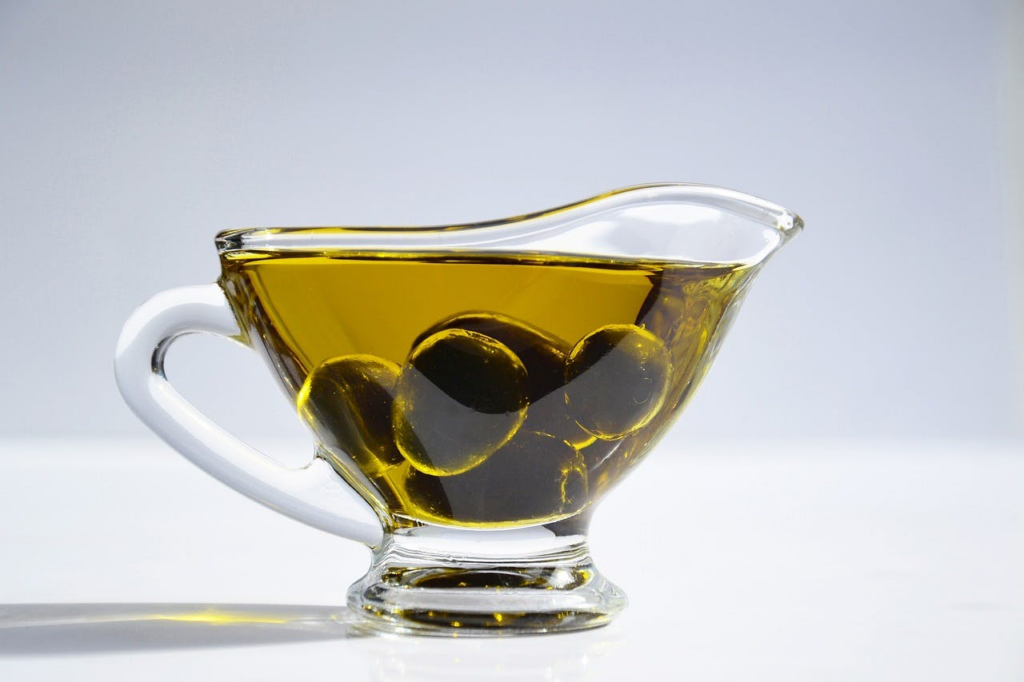
Oil is a fat of animal, vegetable, or mineral origin. It can be characterized by different types of saturated or unsaturated fatty acids. Vegetable oils are very frequently victims of food fraud (addition of inferior quality oil, addition of chemicals, etc.).
What is adulteration of vegetable oils?
Adulteration of vegetable oil is the most common type of fraud in the food industry. It involves the fraudulent practice of adding lower-quality oils to a high-quality oil. As a result, oil labels become misleading or inaccurate. This type of fraud poses a real risk to food industries and their consumers.
How can this fraud be highlighted?
YesWeLab and its partners can uncover any potential misrepresentation of your product. We assist you in analyzing the composition of your oil and determining its fatty acid profile. Our team of experts will help you interpret your results and identify any potential adulteration.
We analyze all vegetable oils:
Mango kernel, Amaranth, Peanut, Argan, Avocado, Oat, Sea buckthorn berry, Cocoa butter, Shea butter, Borage, Camelina, Safflower, Hemp, Chia, Rapeseed, Copra, Crambe, Cumin, Black cumin, Cuphea ilavea, Cuphea leptopoda, Fenugreek, Wheat germ, Sea buckthorn seed, Cottonseed, White mustard seed, Flax, Lupin, Corn, Hazelnut, Walnut, Coconut, Macadamia nut, Pili nut, Olive, Evening primrose, Palm, Palm kernel, Blackcurrant seed, Melon seed, Watermelon seed, Grape seed, Perilla, Pistachio, Purslane, Samphire, Buckwheat, Sesame, Soy, Sunflower, etc.