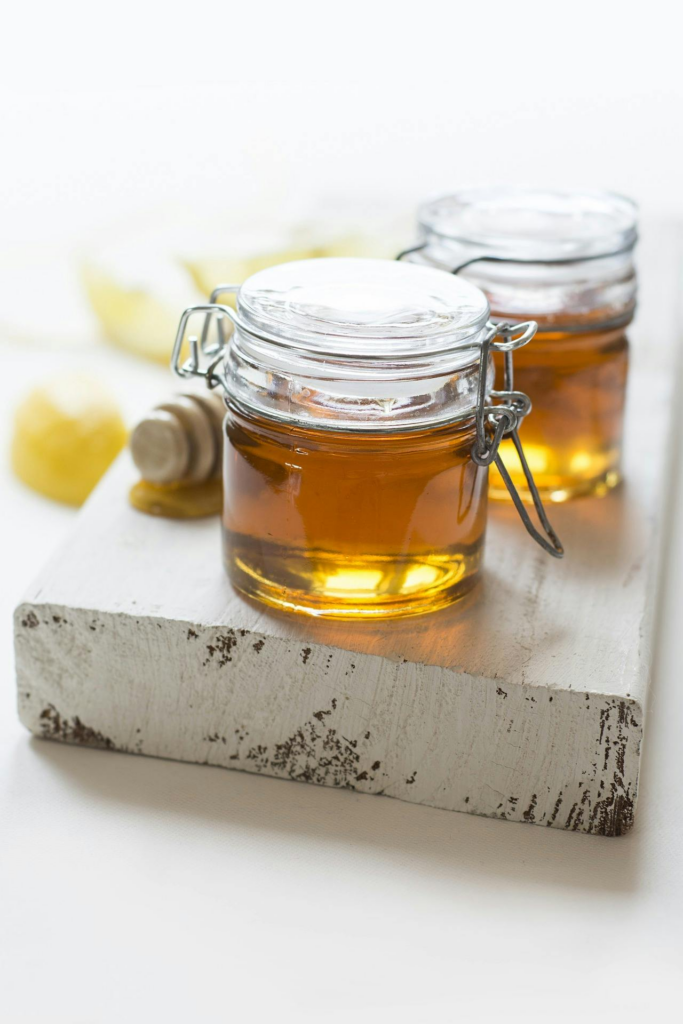
Fraud involving French or imported honey is increasingly common. It is estimated that one in two honeys imported into Europe is fraudulent. The main types of fraud concern the honey's composition and origin.
What are the most common frauds?
Adulteration and Counterfeiting: One of the most common frauds in honey marketing is adulteration, which involves adding substances such as high-fructose corn syrup, glucose, or water to honey to increase its volume and reduce its cost. Adulterated honey is often sold as pure honey, which can deceive consumers who are willing to pay more for genuine honey.
Mislabeling of the country of origin: Some honey producers may mislabel the country of origin to deceive consumers who are willing to pay more for honey from certain regions. For example, honey labeled "Manuka honey" from New Zealand may not actually come from New Zealand or may not contain the levels of active compounds typically found in genuine Manuka honey.
Ultrafiltration: This is a process where honey is filtered to remove impurities, such as pollen and wax. While ultrafiltration can improve the clarity and texture of honey, it can also remove beneficial compounds present in honey, such as pollen, which can be used to determine the country of origin and whether the honey is authentic or adulterated.
Misleading Health Claims: Some honey manufacturers may make exaggerated or unsubstantiated claims about honey's health benefits to persuade consumers to buy their product. While honey does offer some health benefits, such as its antimicrobial and antioxidant properties, the evidence for many of these claims is weak, and consumers should be wary of products that make unrealistic claims.
Incomplete Information: Some honeys are labeled with incomplete information about their origin or processing. For example, it may be labeled as "blended" without specifying the honey's sources or how it was blended. To avoid falling victim to these common honey marketing frauds, consumers should read labels carefully and do their research before buying honey. It's also a good idea to buy honey from reputable sources and support local beekeepers whenever possible.
How can we fight back as beekeepers or industrialists?
Drawing on its expertise, YesWeLab has developed various analysis methods to highlight different types of fraud:
- Authenticity analyses: C3/C4 adulteration, oligosaccharides, NMR profiling
- Contaminant analysis: pesticides, veterinary residues, heavy metals, etc.
- Physico-chemical analyses: Hydroxymethylfurfural – HMF, pH, conductivity, sugar levels, etc.
- Pollen analysis: qualitative or quantitative