Oxalic acid , commonly known as sorrel salt, is one of the most common organic acids, used in numerous industrial sectors. This chemical compound is found both in nature, notably in many plants, and in the human body. While its concentration is crucial in certain industries, it can also pose a danger when consumed in excess, particularly due to its role in the formation of kidney stones. This article explores the properties, uses, and methods of measuring oxalic acid, as well as its importance in various industrial applications, especially in the food industry .
1. What is oxalic acid?
1.1 Definition and chemical structure
Oxalic acid (HOOC-COOH), also known as ethanedioic acid, is the simplest of the aliphatic dicarboxylic acids. It is an organic molecule that occurs as colorless crystals or a white powder in its dihydrate form. It is primarily used for its properties of rapid decomposition into carbon dioxide (CO2) and carbon monoxide (CO), making it a strong and highly reactive acid (pKa1 = 1.27 and pKa2 = 4.27).
1.2 Natural origin of oxalic acid
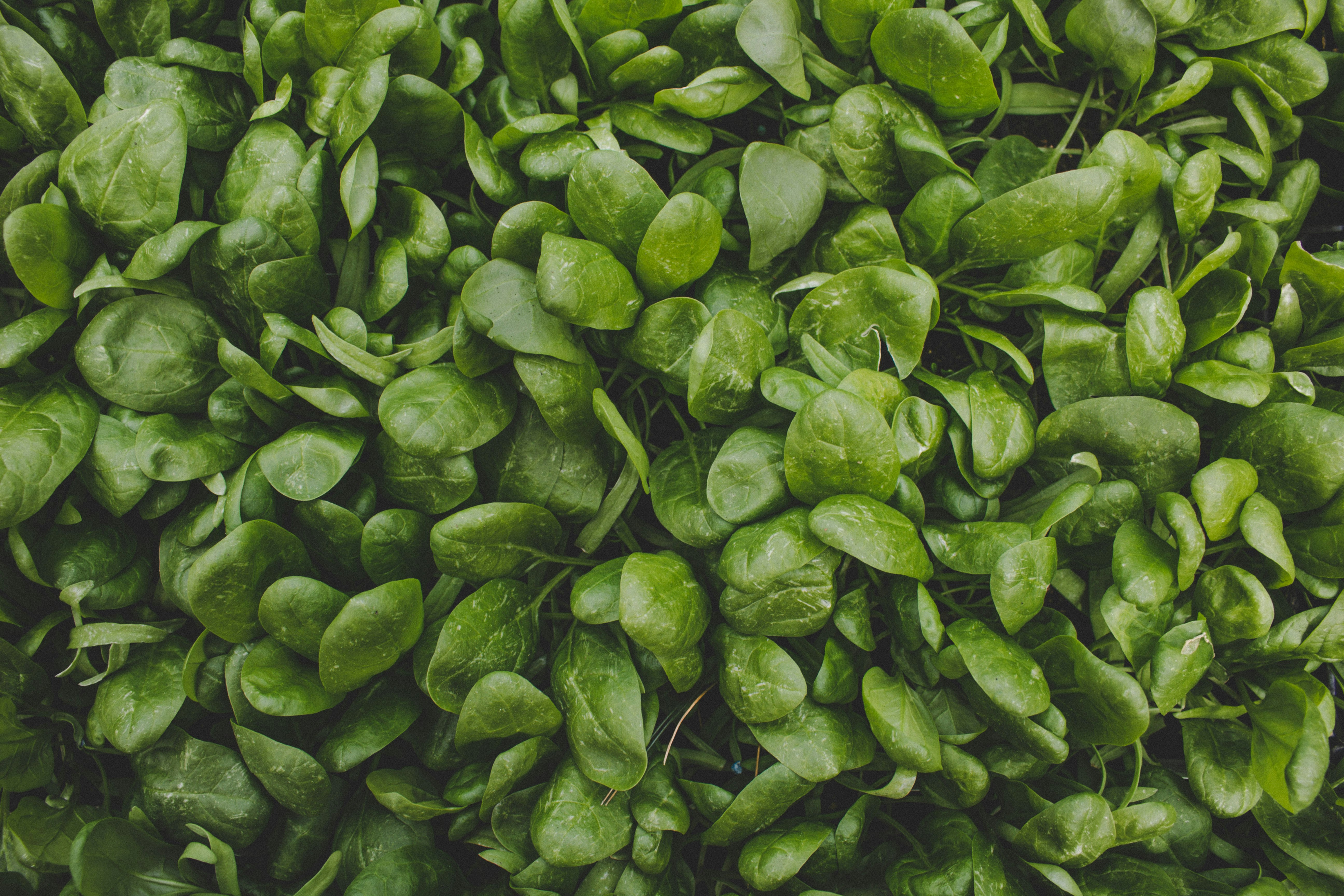
Oxalic acid occurs naturally in various plants, including sorrel, rhubarb, spinach, and beets. It is also present as potassium and calcium oxalates in certain roots and rhizomes. Oxalic acid is naturally produced by the metabolism of ascorbic acid (vitamin C) and glyoxylic acid.
1.3 Main uses of oxalic acid
Oxalic acid is used in various industrial sectors, notably for the surface treatment of metals, as a bleaching agent in the textile and wood industries, and as a descaling agent in household cleaning. It is also used in some professional cosmetic products due to its chelating properties, which can bind metal ions and improve the stability of formulations.
2. Foods rich in oxalic acid
2.1 Foods containing oxalic acid
Oxalic acid occurs naturally in many foods, especially fruits and vegetables. Among the richest sources are rhubarb, spinach, and sorrel, as well as common foods like tea, cocoa, and nuts. These foods contain oxalates, which are salts or esters of oxalic acid, and are safe for consumption by healthy individuals.
2.2 Effects of cooking on oxalic acid
The cooking method greatly influences the oxalic acid content of food. For example, steaming for 20 minutes can reduce the oxalate content of vegetables such as spinach or celosia by more than 40%. This process makes these foods safer for people prone to kidney stones.
2.3 Consumption and health
Excessive consumption of foods high in oxalic acid can lead to adverse health effects, such as the formation of kidney stones. Oxalic acid can combine with calcium in the body to form calcium oxalate, a component of kidney stones. People with kidney disease or calcium metabolism disorders should limit their consumption of oxalate-rich foods.
3. Toxicity of oxalic acid
3.1 Health risks
Oxalic acid is a toxic substance that, when present in excessive amounts in the body, can cause severe irritation, vomiting, abdominal pain, and kidney problems. Calcium oxalate, when it precipitates in the kidneys, can cause painful blockages in the form of kidney stones. Acute oxalic acid poisoning can also be fatal if the ingested dose exceeds 600 mg per kg of body weight.
3.2 Precautions for use and regulations
Oxalic acid is regulated in several industries, particularly in the manufacture of cosmetic products. In the European Union, the maximum permitted concentration of oxalic acid in cosmetic products is 5%, due to its potential toxicity when applied to the skin. Strict usage standards ensure the safety of consumers and workers handling this compound in industrial settings.
4. Methods for the determination of oxalic acid in the laboratory
4.1 Common Dosage Techniques
The determination of oxalic acid in the laboratory is carried out using various analytical techniques, the most common of which is high-performance liquid chromatography coupled with a UV detector (HPLC-UV) . This technique allows for the precise separation and quantification of oxalic acid molecules in samples.
4.2 Sample collection procedure
Samples intended for analysis must be collected under strict conditions to prevent contamination. They are generally collected in airtight, inert containers and transported to the laboratory under controlled conditions. A minimum sample size of 10 g is usually required to perform the analyses.
4.3 Use of the HPLC-UV technique
The HPLC-UV technique allows for the analysis of oxalic acid molecules based on their absorption spectra. After chromatographic separation, the UV detector captures the signals emitted by the molecules, thus enabling the precise quantification of concentrations present in the sample.
Are you looking for an analysis?
5. Industrial applications of oxalic acid determination
5.1 In the food industry
acid is measured in food products to monitor oxalate levels. This allows for the assessment of potential health risks, particularly regarding the formation of kidney stones, and ensures consumer safety. Manufacturers must adhere to strict standards for oxalic acid levels in food, especially in products rich in green vegetables and fruits.
5.2 In the cosmetics industry
Oxalic acid is used in cosmetic formulations for its metal ion chelation properties. Regularly measuring this compound in products ensures that concentrations comply with applicable standards, particularly the 5% limit permitted in cosmetic products. This prevents toxicity risks and ensures greater formulation stability.
5.3 In the chemical and textile industry
Oxalic acid is widely used in the chemical industry for treating metal surfaces, as a polishing and derusting agent. In textiles, it is used as a fiber bleaching agent. Precise oxalic acid dosage is essential to ensure the safety of industrial processes and the effectiveness of final products.
6. Standards and regulations for the determination of oxalic acid
6.1 Applicable regulations
Oxalic acid levels are regulated by various authorities depending on the application sector (cosmetics, food, etc.). In cosmetics, the limit is 5% in the European Union, while in the food industry, the presence of oxalates is strictly controlled to avoid risks associated with excessive consumption.
6.2 Laboratory Accreditation
Laboratories that perform oxalic acid analyses must be ISO 17025 accredited, a standard that guarantees the quality of the analyses. This ensures that the measurements taken to determine oxalic acid levels comply with international standards and provide reliable results for industry.
7. Precautions and recommendations for the use of oxalic acid
7.1 Precautions for use
Oxalic acid is a highly toxic product and must be handled with care. Professionals working with this substance must use personal protective equipment (gloves, goggles, masks) to avoid direct exposure.
7.2 Dietary Recommendations
For people prone to kidney stones or other health problems, it is recommended to limit the consumption of foods high in oxalic acid. Advice from a healthcare professional is often necessary to adjust the diet and avoid the risks associated with oxalate accumulation in the body.