
Formaldehyde is a reactive and volatile chemical compound ubiquitous in industry due to its fixing, hardening, and preservative properties. Present in resins, textiles, cosmetics, construction materials, and medical devices, it nevertheless raises serious health concerns. A known carcinogen, allergen, and irritant, formaldehyde is subject to strict regulations, particularly regarding thresholds, labeling, and quality control. In this context, laboratory analysis of formaldehyde is essential to guarantee regulatory compliance, control emissions, and ensure the safety of finished products. This article guides you through the characteristics of formaldehyde, its uses, its risks, the most reliable measurement methods, and alternative solutions to consider.
Table of Contents
Definition and chemical characteristics
Formaldehyde (CH₂O), also known as methanal or formalin when dissolved in water, is the simplest of the aldehydes. At room temperature, it is a colorless gas with a strong, pungent odor, readily soluble in water, ethanol, and organic solvents.
Chemically, it is highly reactive: it spontaneously forms covalent bonds with amine, thiol, and hydroxyl groups, making it an excellent crosslinking and binding agent in many industrial processes. This reactivity explains both its useful applications (preservation, hardening, adhesion) and its potential danger in the event of repeated biological contact (binding of proteins and DNA).
A hazardous substance
Formaldehyde is a chemical substance that poses a very high risk to human health. Its irritant properties are well documented, particularly in the upper respiratory tract (nose, throat, trachea), eyes, and skin. It is also known for its potent allergenic effects, with cases of contact dermatitis and respiratory sensitization.
Since 2004, the International Agency for Research on Cancer (IARC) has classified formaldehyde as a known human carcinogen (Group 1). This classification is based in particular on epidemiological studies that have demonstrated a correlation between occupational exposure to formaldehyde (in the wood, healthcare, or embalming industries) and certain types of nasopharyngeal cancer or leukemia.
Chronic exposure to formaldehyde is also a major concern in indoor environments, where it can be released from furniture, wall coverings, or cleaning products. Due to its volatility, even low concentrations in ambient air can have long-term health effects, particularly in children, the elderly, or sensitive individuals.
Finally, the use of formaldehyde is all the more problematic because it can be generated or released by substances known as “formaldehyde-releasing agents,” present in certain chemical formulations. These releasers pose a particular challenge in terms of labeling, analytical measurement, and regulation, especially in cosmetics and engineering polymers.
In this context, formaldehyde analysis becomes a key issue for manufacturers wishing to guarantee the conformity of their products while ensuring the safety of consumers and workers.
Health risks associated with formaldehyde: why monitor it
Formaldehyde exposure is a major public health issue. Its acute and chronic toxicity is well established, and its harmful effects affect a wide variety of organs and biological systems. This second part presents the main effects of formaldehyde on human health and the populations most exposed, justifying the need for strict monitoring in many industrial sectors.
Irritations, allergies and short-term effects
Formaldehyde is a powerful irritant to mucous membranes. Even short-term exposure to low concentrations can cause:
- Eye irritations : watering, conjunctivitis, burning sensation.
- Irritation of the nose and throat : sneezing, runny nose, sore throat.
- Respiratory problems : dry cough, shortness of breath, chest discomfort.
The effects are generally reversible after exposure is stopped, but they may be exacerbated in asthmatic or allergic individuals. In some people, sensitization to formaldehyde may develop, leading to allergic reactions even at very low doses (rhinitis, asthma, contact dermatitis, etc.).
Carcinogenicity: IARC classification and epidemiological evidence
The most concerning risk associated with formaldehyde is its carcinogenic potential . In 2004, the IARC (International Agency for Research on Cancer) classified it in Group 1 , meaning as a substance "known to cause human carcinogens".
This ranking is based on robust epidemiological studies, primarily conducted on workers occupationally exposed in the wood, healthcare, embalming, and chemical industries. The cancers implicated include:
- Nasopharyngeal cancer
- Some forms of myeloid leukemia
- Suspicions also exist regarding cancers of the sinuses , lungs, and nasal cavities.
The carcinogenic mechanism of formaldehyde relies on its strong reactivity with proteins and DNA, causing mutations and disrupting cellular repair processes. These genetic alterations can initiate a tumor process in tissues in direct contact with the molecule, particularly the upper respiratory tract.
Vulnerable populations and at-risk environments
Certain population groups are particularly vulnerable to the effects of formaldehyde:
- Children : due to their faster metabolism, more frequent breathing and proximity to the ground (where concentrations can be higher).
- Pregnant women : chronic exposure could have teratogenic or endocrine-disrupting effects.
- Older people : more likely to experience respiratory conditions aggravated by exposure to formaldehyde.
- The professionals at risk : workers in the wood, chemical, textile, construction, health, or thanatopraxy industries.
In poorly ventilated homes, schools, or offices, formaldehyde can be continuously emitted by particleboard furniture , wall coverings , household products , or certain treated textiles . These invisible sources create a level of chronic exposure , particularly in urban areas or renovated housing.
Regulatory limits and thresholds
Faced with these risks, many countries have set exposure limits for formaldehyde. In France, regulations are based in particular on ANSES recommendations and European directives:
- Occupational exposure limit (OEL) : 0.37 mg/m³ (or 0.3 ppm) for short-term exposure (15 minutes)
- Indoor air quality guideline value : 10 µg/m³ over 8 hours (ANSES value)
- Maximum concentration in cosmetics : 0.2% in rinse-off products (with mandatory labeling above 0.05%)
These thresholds are expected to be strengthened under the CLP (Classification, Labelling and Packaging) regulation and the REACH regulation of the European Union, particularly in the CMR (carcinogenic, mutagenic, reprotoxic) categories.
Manufacturers are therefore obligated to monitor formaldehyde emissions or residual levels in their finished products to ensure regulatory compliance and user safety. Laboratory analysis is an essential step in managing this chemical risk.
Are you looking for an analysis?
Presence of formaldehyde in industrial products: materials and uses to monitor
Formaldehyde is a ubiquitous molecule in industrial and domestic environments due to its highly sought-after chemical properties. Used as a binder, preservative, or hardener, it is a component in the formulation of numerous materials and consumer products. This third section details the main industrial sources of formaldehyde, the relevant application sectors, and the matrices that should be analyzed as a priority.
Building materials and furniture
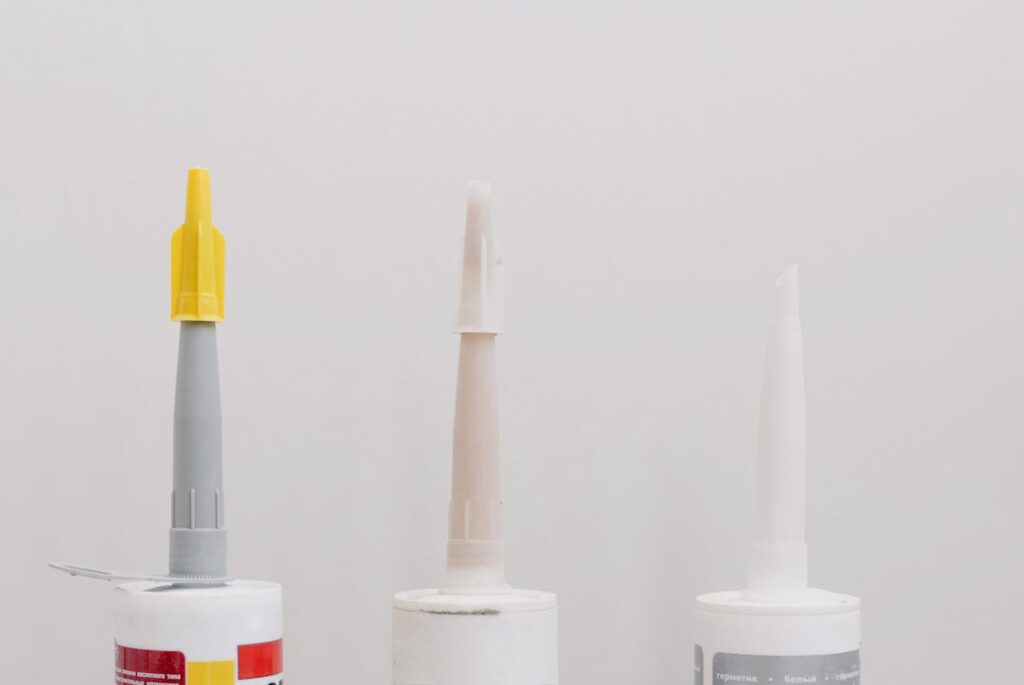
The construction sector is one of the most affected by formaldehyde emissions, particularly from wood-based composite materials. Urea-formaldehyde, melamine-formaldehyde, and phenol-formaldehyde resins are widely used as binders in manufacturing:
- particle boards
- plywood
- mediums (MDF)
- particleboard
These materials release formaldehyde through slow outgassing over time, especially in poorly ventilated environments. Formaldehyde concentrations can reach concerning levels in new or renovated homes.
Wall coverings , adhesives , insulating foams , as well as some floor coverings (vinyl, laminate) can also contain or release it in small quantities.
Textile products and clothing
In the textile industry, formaldehyde is used as a finishing agent to improve the performance of fabrics, including:
- wrinkle resistance
- water-repellent or fire-retardant properties
- color retention
It can be present in clothing, curtains, sheets, upholstery, or shoes, especially when they have been treated to prevent shrinkage or wrinkling. Special attention is required for baby clothes , bed linens , or clothing worn next to the skin , where prolonged contact can lead to contact dermatitis .
Laboratory analyses make it possible to determine the content of free or releasable formaldehyde ISO 14184-1 or OEKO-TEX® standards .
Cosmetics, skincare and nail polish
Formaldehyde has long been used as an antimicrobial preservative in many cosmetic formulations: shampoos, soaps, creams, and hair styling products. Due to its allergenic and carcinogenic potential, its use has been severely restricted by European regulations (Regulation (EC) No 1223/2009).
Today, its use is limited primarily:
- to nail polish , for its hardening properties
- to certain medical disinfectants or antiseptic solutions , in the form of formaldehyde
Laboratory analyses must verify that the residual concentration complies with regulatory limits (0.2% max, with mandatory labeling from 0.05%). Preservatives known as “formaldehyde-releasing agents” (e.g., DMDM hydantoin, imidazolidinyl urea) may also be tested, as they release formaldehyde during use.
Industrial resins, polymers and adhesives
Formaldehyde is an chemical precursor in the synthesis of many thermosetting resins used in the following sectors:
- automobile
- electronic
- construction
- furniture
Among the most common are formo-phenolic resins , formo-urea , melamines , and aminoplasts . Their polymerization releases formaldehyde, which can be detected in small quantities in finished products or in ambient air during their manufacture or use.
Analyses are generally performed by HPLC/UV after derivatization (DNPH) to ensure accurate quantification of residual formaldehyde. These tests are essential in the context of material qualification , REACH regulatory validation , or customer complaint management .
Paints, varnishes and coatings
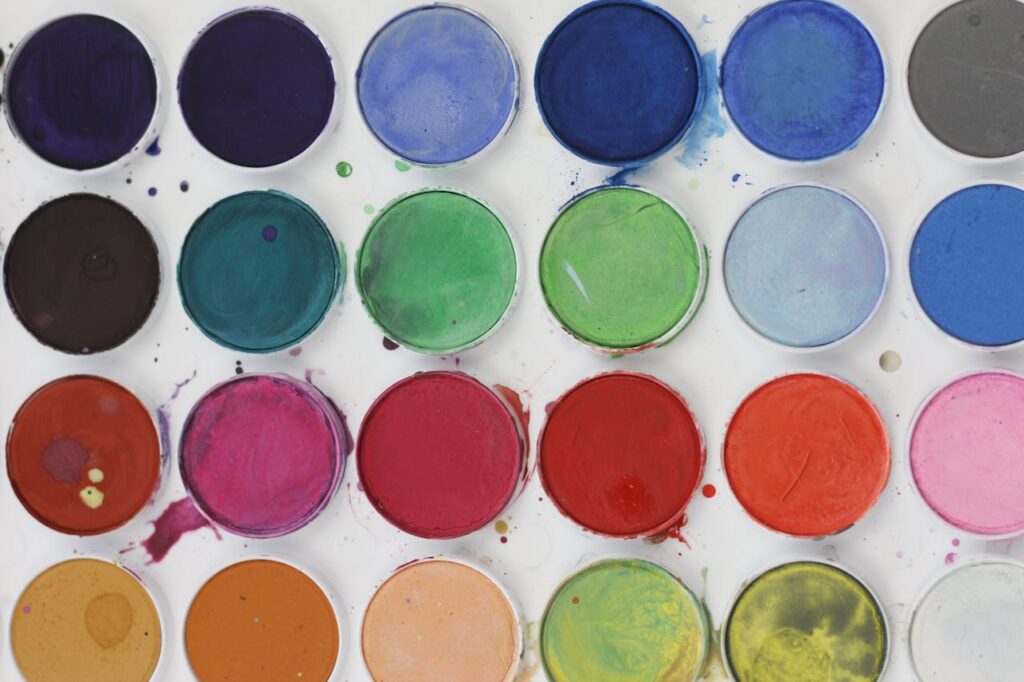
Coating products, including industrial paints , varnishes , lacquers , inks and glues , may contain formaldehyde or release it during application and drying.
VdL-RL 03 protocol , notably used in Germany, is a reference method for assessing formaldehyde emissions in these products. It is commonly required for paints and varnishes used indoors (public buildings, public facilities, buildings).
ambient air emission tests (e.g. emission chamber, sorbent tubes DNPH), especially in the context of HQE or BREEAM projects.
Food and food packaging
In the food industry, formaldehyde can appear:
- intentionally , as a preservative now banned in the EU
- or accidental , via packaging materials or migrants resulting from heat treatments (smoking, cooking)
Some plastic packaging, adhesives, or inks can release formaldehyde if their formulation is not properly controlled. Specific migration tests, in accordance with EC Regulation No. 1935/2004 , ensure that the amount of formaldehyde transferred into food remains below the safety limit (15 mg/kg according to the European directive on recycled plastics).
YesWeLab offers migration analyses coupled with regulatory testing in a COFRAC , to guarantee the compliance of packaging with European and FDA standards.
In all these sectors, formaldehyde detection is essential to prevent health risks, comply with regulations, and reassure consumers. Specialized laboratories can precisely measure the concentration of this molecule in all kinds of complex matrices using validated and recognized techniques.

Laboratory Formaldehyde Measurement Techniques
Determining formaldehyde levels in industrial products, cosmetics, or environmental matrices requires the use of sensitive, accurate, and validated analytical methods. In the laboratory, several techniques are used depending on the matrix, the expected concentration, and the applicable regulatory framework. This fourth section describes the most common methods, their principles, their advantages, and their application contexts.
HPLC/UV after derivatization: a reference method
chromatography (HPLC) coupled with a UV detector, after derivatization with 2,4-dinitrophenylhydrazine (DNPH) , is one of the most widely used methods for the determination of formaldehyde.
Principle
Formaldehyde is first stabilized as a hydrazone derivative (using DNPH), which absorbs strongly in the ultraviolet range. This derivative is then separated and quantified by HPLC/UV. This method allows the detection of very low concentrations , down to 0.01 mg/L in water or aqueous extracts.
Benefits
- Very good sensitivity and selectivity
- Applicable to many types of matrices (resins, polymers, textiles, paints, cosmetics)
- Standardized method (e.g., ISO 16000-3, VdL-RL 03)
Applications
- Formaldehyde content determination in formo-phenolic resins
- Indoor air emissions control
- Analyses in construction products, varnishes and adhesives
Colorimetric Spectrophotometry
Some conventional methods use dye reagents , such as Nash reagent or chromotropic , to form a colored complex proportional to the formaldehyde concentration. This complex is then measured by UV-Visible spectrophotometry .
Benefits
- Simple, quick and inexpensive methods
- Suitable for routine measurements in simple matrices (water, aqueous solutions, air)
Boundaries
- Lower specificity than HPLC
- Possible interference with other aldehydes
Applications
- Control of formaldehyde content in disinfectant solutions
- Dosage in textiles according to certain ISO or Oeko-Tex® standards
Analysis by GC (gas chromatography)
Formaldehyde can also be measured after volatile derivatization (e.g., with PFBHA) by gas chromatography (GC) , often coupled with a flame ionization detector (FID) or mass spectrometry (GC-MS).
Benefits
- Very high sensitivity and robustness
- Allows the speciation of aldehydes present
- Used for air emission testing (ambient air or air extracted from emission chambers)
Applications
- Indoor air quality control in buildings (ISO 16000-6)
- Monitoring occupational exposure in industrial settings
Techniques specific to cosmetics
In the cosmetics field, formaldehyde levels are often measured by HPLC or standardized methods according to European regulations (EC Regulation No. 1223/2009).
Special Features
- Regulatory limit of 0.2% for most products (nail polish, disinfectants, etc.)
- Mandatory statement “releases formaldehyde” from 0,05 %
- Also research formaldehyde releasers : DMDM hydantoin, imidazolidinyl urea, etc.
Specialized laboratories certified to ISO 22716 (cosmetic GMP) and ISO 17025 carry out these tests to ensure regulatory compliance of finished products.
Development of specific analytical methods
In some cases, particularly for complex matrices (reinforced plastics, foams, composite materials, etc.), standard methods are not directly applicable. Expert laboratories like YesWeLab and its partners then develop customized methods that include:
- validation of analytical protocols (linearity, accuracy, precision, LOD/LOQ…)
- the development of suitable extraction methods (solvents, acid digestion, etc.)
- the establishment of specific calibration curves
These approaches are essential in R&D projects, patent filings, non-compliance investigations, or third-party certifications.
Regulatory framework and permitted limits for formaldehyde
Regulations surrounding the use and presence of formaldehyde in industrial, cosmetic, construction, and consumer products are particularly strict due to its well-documented health effects. This fifth section presents the main applicable standards, regulatory thresholds by sector, and obligations regarding labeling, analysis, and compliance.
Regulatory classification of formaldehyde
Since 2004, formaldehyde (CAS: 50-00-0) has been classified by the International Agency for Research on Cancer (IARC) as a known human carcinogen (Group 1). This classification has major implications for industry:
- In Europe, it is classified as CMR 1B (carcinogenic category 1B, possible mutagen), according to the CLP regulation (EC No. 1272/2008) .
- It is also included on the list of substances of very high concern (SVHC) under the REACH regulation .
This status implies strict obligations regarding traceability, analysis and information for professional and consumer users.
Regulations in cosmetic products
Formaldehyde is prohibited in cosmetic products in its free form, except in very specific circumstances. According to EC Regulation No. 1223/2009 on cosmetic products:
- It may be present in certain products provided that its concentration does not exceed 0.2% .
- From 0.05% (i.e., 500 ppm), the labeling must include the statement "contains formaldehyde".
- It is permitted only in nail hardeners , due to its specific chemical properties.
- Formaldehyde releasers ( DMDM hydantoin, quaternium-15…) are also monitored, as they can release formaldehyde on contact with water or over time.
These measures have led to a gradual withdrawal of formaldehyde from the majority of cosmetic formulations, replaced by other preservatives (parabens, methylisothiazolinone, etc.).
Limitations in building materials, resins and furniture
In the building, materials and furniture sector, regulations aim to limit formaldehyde emissions into indoor air , a key factor in environmental quality.
European standards
- E1 / E2 classification : for wood panels (chipboard, plywood, etc.), the EN 13986 distinguishes materials according to their formaldehyde emission.
- Class E1: < 0.124 mg/m³ of air
- Class E2: > 0.124 mg/m³ (not permitted in some EU countries)
- Construction Products Regulation (CPR) : requires a declaration of emission performance for products placed on the market.
French standards
- The decree of April 19, 2011 imposes mandatory labeling of emissions into indoor air from construction and decoration materials (classification A+, A, B, C).
- Formaldehyde a reference component, measured according to ISO 16000-3 .
Requirements for imported textiles and products
In the textile sector, strict standards apply, particularly for children's products or products in prolonged contact with the skin:
- The Oeko-Tex® Standard 100 sets very low thresholds for free formaldehyde:
- Baby products: undetectable (< 16 ppm)
- Other categories: up to 75 ppm
- In France, the DGCCRF can carry out checks on imported or marketed textile products to ensure compliance with these thresholds.
Limits in water, air and environmental media
The presence of formaldehyde in the environment is monitored by several sector-specific regulations:
- Indoor air : the guideline value recommended by ANSES is 10 µg/m³ in chronic exposure.
- Occupational air : the occupational exposure limit value (OEL) is:
- 0.37 mg/m³ on average over 8 hours
- 0.74 mg/m³ in short exposure (15 min)
- Drinking water : the WHO recommends a maximum concentration of 0.9 mg/L .
Accredited laboratories carry out sampling and analysis using standardized methods (HPLC, GC, spectrophotometry), enabling compliance with applicable regulations to be demonstrated.
Alternatives to formaldehyde and industrial prospects
Faced with the proven dangers of formaldehyde and evolving international regulations, many industrial sectors are forced to adopt safer alternatives. This transition involves not only the search for substitute substances, but also the implementation of rigorous reformulation strategies, supported by advanced laboratory analyses.
Substitute substances used
Parabens: a declining alternative
Parabens have long been used as preservatives in cosmetics and pharmaceuticals, replacing formaldehyde. Their antimicrobial efficacy and low cost made them attractive. However, their use has declined sharply due to suspected endocrine-disrupting effects. Consequently, they are now subject to strict regulatory limits and no longer represent a sustainable long-term alternative.
Methylisothiazolinone (MIT) and chloromethylisothiazolinone (CMIT)
These two molecules, belonging to the isothiazolinone family, have been widely adopted as preservatives in formaldehyde-free formulations, particularly in cleaning products, paints, and some cosmetics. Their biocidal power is high, but their allergenic potential has led to strict restrictions in Europe, especially in leave-on products.
- In cosmetics, the maximum permitted concentration of MIT is currently 0,0015 %.
- The CMIT/MIT combination has not been permitted in leave-on products in the EU since 2016.
Preservative-free solutions: sterile packaging and anhydrous formulas
water-free (anhydrous) formulations , in which microbial growth is naturally limited. Others are relying on sterile packaging systems , such as airless bottles, which prevent external contamination.
These approaches require rigorous analytical validation, particularly in microbiology, to ensure the stability and safety of the finished product.
Reformulation strategies and associated analyses
Analytical development of formaldehyde-free matrices
Reformulating a product to eliminate formaldehyde requires extensive laboratory testing:
- Evaluation of the stability of the new formula without traditional preservatives.
- Compatibility testing of ingredients with packaging materials.
- Control of microbiological resistance via challenge tests.
YesWeLab's partner laboratories support manufacturers in this process by offering tailor-made analytical developments , adapted to each matrix (cosmetic, polymer, detergent, etc.).
Trace control or cross-contamination
Even after formaldehyde has been removed from the formulation, residual contamination can occur during storage or production (emissions from materials, migration from packaging, impurities in raw materials). To detect this, laboratories perform the following tests:
- Trace-level assays by UPLC/UV, HPLC, GC-MS,
- Emission analyses in the air or in climate chambers ,
- Specific migration tests on materials in contact with food or cosmetics.
These controls ensure that the product is truly free of formaldehyde and complies with the claims “formaldehyde-free”.
Towards stricter regulations?
Revision of regulatory thresholds
Chronic exposure to formaldehyde, even at low doses, remains a growing concern for health authorities. Several revisions are under consideration:
- Cosmetics : lower permitted thresholds and stricter labeling requirements.
- Building products : strengthening of emission criteria within the framework of CE marking.
- Indoor air quality : integration of formaldehyde into mandatory monitoring plans for public access buildings.
Towards systematic substitution in sensitive sectors
Following the example of the bans on certain phthalates and bisphenols, a European strategy for the systematic substitution of formaldehyde could become widespread in the coming years. The sectors most exposed (cosmetics, textiles, furniture, packaging) are already being encouraged to develop alternative products. Manufacturers must therefore anticipate this development through R&D programs , reformulation trials, and robust analytical validation.
YesWeLab services for your formaldehyde analysis
YesWeLab provides manufacturers with comprehensive expertise in formaldehyde measurement and analysis , regardless of the industry or matrix being analyzed. Through its network of over 200 certified partner laboratories, YesWeLab guarantees reliable, fast services that comply with international regulatory requirements.
All partner laboratories involved in formaldehyde analysis are ISO 17025 accredited to guarantee the quality, reliability, and traceability of results. Compliance with COFRAC (or local authority requirements for export) is ensured for all services.
Advanced analytical techniques
YesWeLab offers a wide range of techniques adapted to each need:
- HPLC (high-performance liquid chromatography) for the analysis of residues in cosmetics, polymers and varnishes.
- UPLC/UV after DNPH derivatization for the determination of trace amounts in formo-phenolic resins.
- GC-MS (gas chromatography coupled with mass spectrometry) for complex matrices or volatile emissions.
- Spectrophotometry for routine monitoring of free or total formaldehyde.
Analyses on various matrices
YesWeLab supports formaldehyde analysis in numerous industrial matrices:
- Cosmetics (nail polish, lotions, shampoos),
- Thermosetting polymers and resins,
- Paints, varnishes, glues,
- Textiles and furniture products,
- Indoor air and working atmospheres (ISO 16000, VDA 275),
- Food packaging (migration tests EC 1935/2004).
Regulatory and R&D support
YesWeLab experts will support you through every stage of your project:
- Development of customized analytical methods,
- Migration or emission studies,
- Formaldehyde-free reformulation,
- Assistance with REACH declarations , INCI dossiers, export dossiers
- Validation of labeling and “formaldehyde-free” claims.
YesWeLab can also assist you in cases of non-compliance or dispute , with an audit and technical consulting service on request.
A digital platform for smooth and secure monitoring
Thanks to the online platform YesWeLab:
- Order your analyses in just a few clicks,
- Track your samples in real time,
- Download your analysis reports and certificates of conformity,
- Access a complete history of your analytics campaigns.
This solution allows for centralized, rapid management that complies with the quality and traceability requirements of manufacturers.
For all your formaldehyde analyses, rely on YesWeLab's sector and regulatory expertise. Our goal: to provide you with reliable results, as quickly as possible , with tailored scientific and regulatory support .