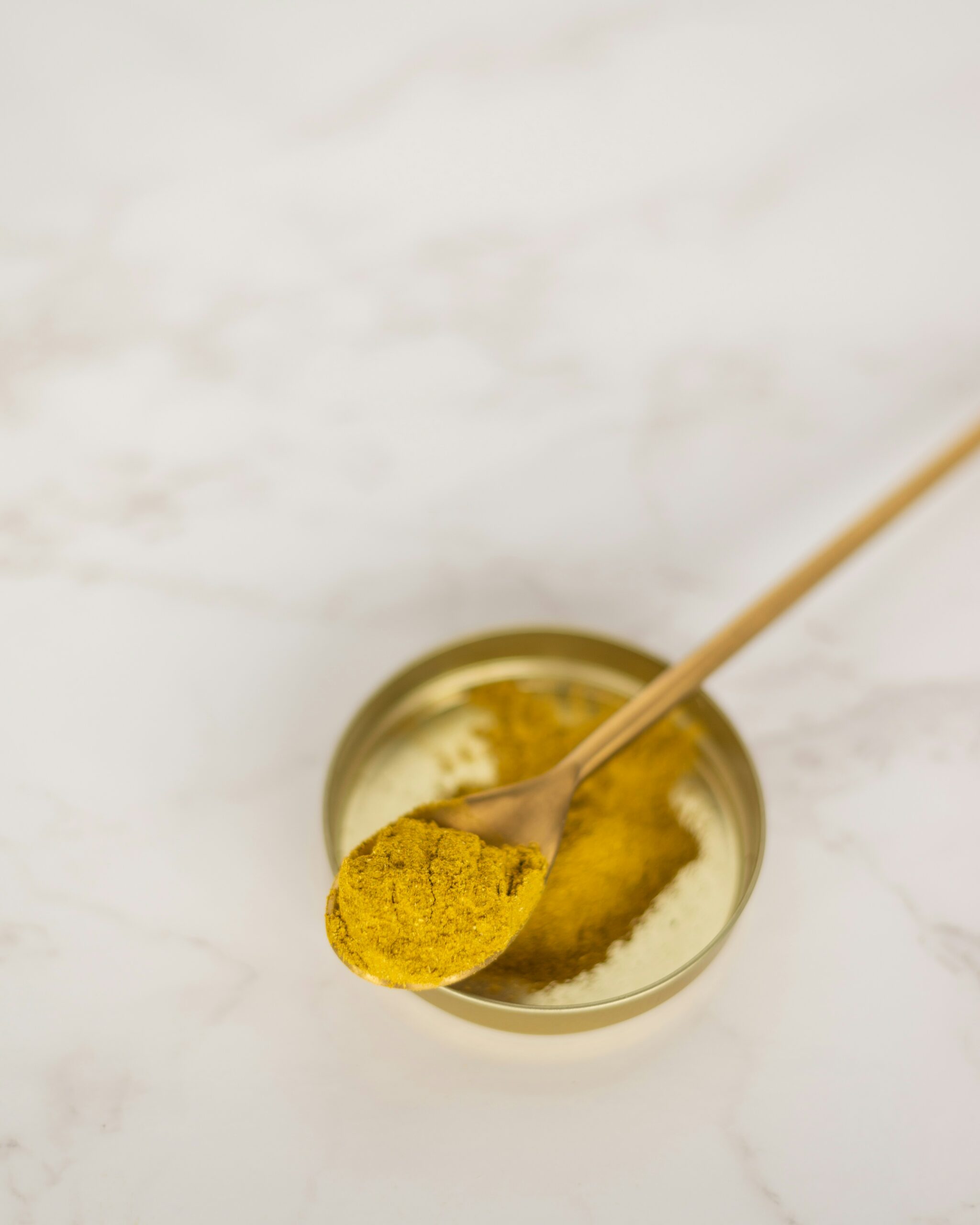
Curcuminoids have become a subject of growing interest in the nutrition, cosmetics, and natural health sectors. Known for their antioxidant and anti-inflammatory properties, these phenolic compounds extracted from turmeric are now widely used in dietary supplements, functional products, and certain pharmaceutical applications. But what exactly are curcuminoids? What is their structure? Where do they come from, and why are they attracting so much attention in scientific research and processing industries?
This article provides the necessary background to understand the origin, composition, classification of these active substances, and their laboratory analysis.
1. What are curcuminoids?
1.1 Definition and classification
Curcuminoids are natural chemical compounds belonging to the linear diarylheptanoid . Structurally, they consist of two aromatic rings linked by a heptanoic chain and bear hydroxyl and methoxyl groups characteristic of polyphenols . Their general chemical formula gives them both high biological reactivity and marked coloring properties.
Among curcuminoids, three main active molecules stand out:
Curcumin (or diferuloylmethane), the most abundant and most studied.
Demethoxycurcumin , a derivative without a methoxy group.
Bisdemethoxycurcumin , which does not have any methoxy groups on the aromatic rings.
These three components are naturally present in the rhizome of Curcuma longa and are often extracted together in commercial formulations. Their concentration varies depending on the botanical origin, growing conditions, and extraction method used. Curcumin generally represents 75 to 80% of the total curcuminoids in crude turmeric extract.
From a physicochemical standpoint, curcuminoids are poorly soluble in water, which limits their bioavailability in conventional oral formulations. However, they are soluble in organic solvents such as ethanol, acetone, or DMSO, which facilitates their handling in the laboratory or in pharmaceutical formulation.
1.2 Chemical structure of curcuminoids
Curcuminoids are extracted from Curcuma longa , a rhizomatous herbaceous plant belonging to the Zingiberaceae , just like ginger. The rhizome, the underground part of the plant, is rich in yellow pigments, notably curcumin, which gives turmeric its characteristic color. This rhizome is traditionally used in Ayurvedic medicine and in food for its functional properties.
Originally from South Asia, turmeric is now cultivated in many tropical countries, including India, Indonesia, Sri Lanka, and Vietnam. It is consumed in powder, juice, or extract form, or incorporated into culinary preparations, functional drinks, or dietary supplements.
The curcuminoid composition of the rhizome depends on many factors: botanical variety, soil, climate, harvest time, drying techniques, and extraction method. In a standardized turmeric extract, manufacturers ensure a consistent curcuminoid content, often between 95% and 98% for concentrated extracts used in health nutrition.
In addition to their biological function, curcuminoids act as natural coloring agents in the food industry. Curcumin is registered as a food additive under the code E100 , used in sauces, soups, cheeses, baked goods, and certain beverages.
Curcuminoids thus represent a group of plant compounds of major interest, at the crossroads of polyphenol chemistry, traditional medicine, and modern formulation. Their properties will be discussed in detail in the next section.
2. Biological properties and applications of curcuminoids
2.1 Antioxidant and anti-inflammatory activity
The most documented property of curcuminoids is their antioxidant power . By neutralizing free radicals (ROS, reactive oxygen species), they help reduce oxidative stress, a phenomenon involved in cellular aging and many chronic diseases (cancers, cardiovascular diseases, diabetes, neurodegenerative diseases).
At the molecular level, curcuminoids act by:
inhibition of pro-oxidant enzymes (such as lipoxygenase),
stimulation of antioxidant enzymes (superoxide dismutase, catalase, glutathione peroxidase),
chelation of metal ions involved in pro-oxidant reactions (e.g. iron, copper).
In parallel, curcuminoids show significant anti-inflammatory activity . They inhibit the production of inflammatory mediators such as:
pro-inflammatory cytokines (TNF-α, IL-1β, IL-6),
the COX-2 and 5-LOX enzymes , responsible for the synthesis of prostaglandins and leukotrienes,
the transcription factor NF-κB , involved in the inflammatory response.
These effects make curcuminoids interesting candidates for relieving chronic inflammatory conditions , such as osteoarthritis, inflammatory colitis, or certain dermatological diseases.
2.2 Other potential effects studied
In addition to their antioxidant and anti-inflammatory activity, curcuminoids are the subject of research on several other therapeutic areas :
Anticancer activity : In vitro studies have shown that curcumin can inhibit the proliferation of cancer cells, induce apoptosis (programmed cell death), and inhibit tumor angiogenesis. Clinical trials are underway, particularly for colon, breast, and prostate cancers. However, the effects remain moderate in monotherapy, mainly due to low oral bioavailability.
Neuroprotective effects : Curcumin may play a role in preventing neurodegenerative diseases such as Alzheimer's by reducing neuronal inflammation and inhibiting the aggregation of beta-amyloid proteins. These properties still need to be clinically confirmed.
Cholesterol reduction and liver protection : some animal and human studies suggest a decrease in LDL cholesterol and an improvement in liver function in subjects who consumed turmeric extracts rich in curcuminoids.
Antimicrobial effects : curcumin shows activity against several bacterial, fungal and viral strains, but this activity remains less developed than the antioxidant properties.
Regulation of mood and mild to moderate depression : preliminary data suggest antidepressant activity comparable to some reference antidepressants in short-term clinical trials.
These multiple properties make it a promising molecule in integrative health , especially in combined formulations (e.g., curcumin + piperine, curcumin + polyphenols) for synergistic efficacy.
3. What is the difference between turmeric and curcumin?
3.1 Turmeric: a complete medicinal plant
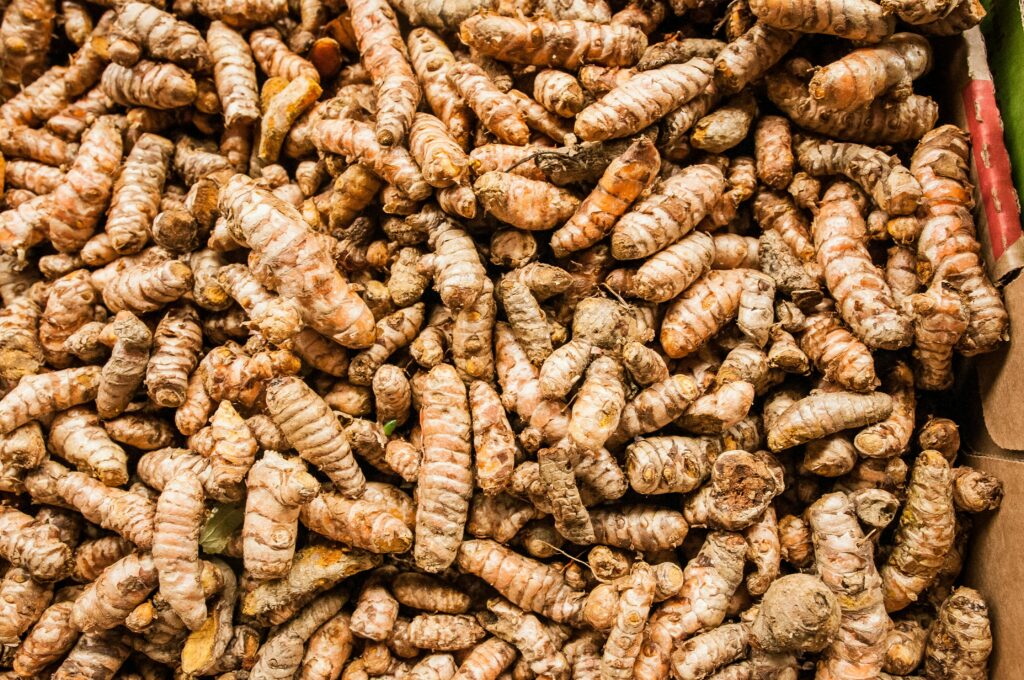
Turmeric is the rhizome of the Curcuma longa . As a spice and traditional remedy, it has been used for thousands of years for its beneficial health effects. Turmeric contains various bioactive compounds, including curcuminoids, with curcumin as the main active component.
3.2 Curcumin: the main bioactive component
Curcumin, meanwhile, is one of the most studied curcuminoids for its anti-inflammatory, antioxidant, and anti-cancer effects. While turmeric is widely used as a spice, curcumin is often extracted and used in dietary supplements and medicinal products.
Curcuminoids have become a subject of growing interest in the nutrition, cosmetics, and natural health sectors. Known for their antioxidant and anti-inflammatory properties, these phenolic compounds extracted from turmeric are now widely used in various fields, including traditional medicine, cosmetics, food processing, and dietary supplements. But what exactly are curcuminoids? What is their structure? Where do they come from, and why are they attracting so much attention in scientific research and processing industries? This first part of the article provides the necessary background to understand the origin, composition, and classification of these active substances.
Are you looking for an analysis?
4. How are curcuminoids used?
4.1 Uses in the food industry
Curcuminoids are primarily used as natural food colorings under the additive E100 , particularly in jams, juices, candies, and meat products. Their antioxidant effect also helps stabilize food against oxidation.
4.2 Applications in cosmetics
In the cosmetics , curcuminoids are used for their brightening, antioxidant, and anti-aging properties. They help combat skin damage caused by free radicals and can improve the appearance of the skin by reducing blemishes and imperfections.
4.3 Medical and therapeutic use
Curcumin is available as a dietary supplement to help fight chronic inflammation, improve digestion, and support immune function. Research is also underway to evaluate its potential effects in the prevention and treatment of neurodegenerative diseases.
5. Who should not take turmeric?
5.1 Medical precautions
Turmeric and its derivatives, while generally safe, are not recommended for everyone. Those taking blood thinning medication should consult a doctor before consuming turmeric supplements due to the increased risk of bleeding.
5.2 Possible side effects
In high doses, turmeric can cause digestive problems, such as bloating or nausea. Pregnant or breastfeeding women should also avoid consuming high therapeutic doses.
6. Is it good to take turmeric every day?
6.1 Recommended dosage
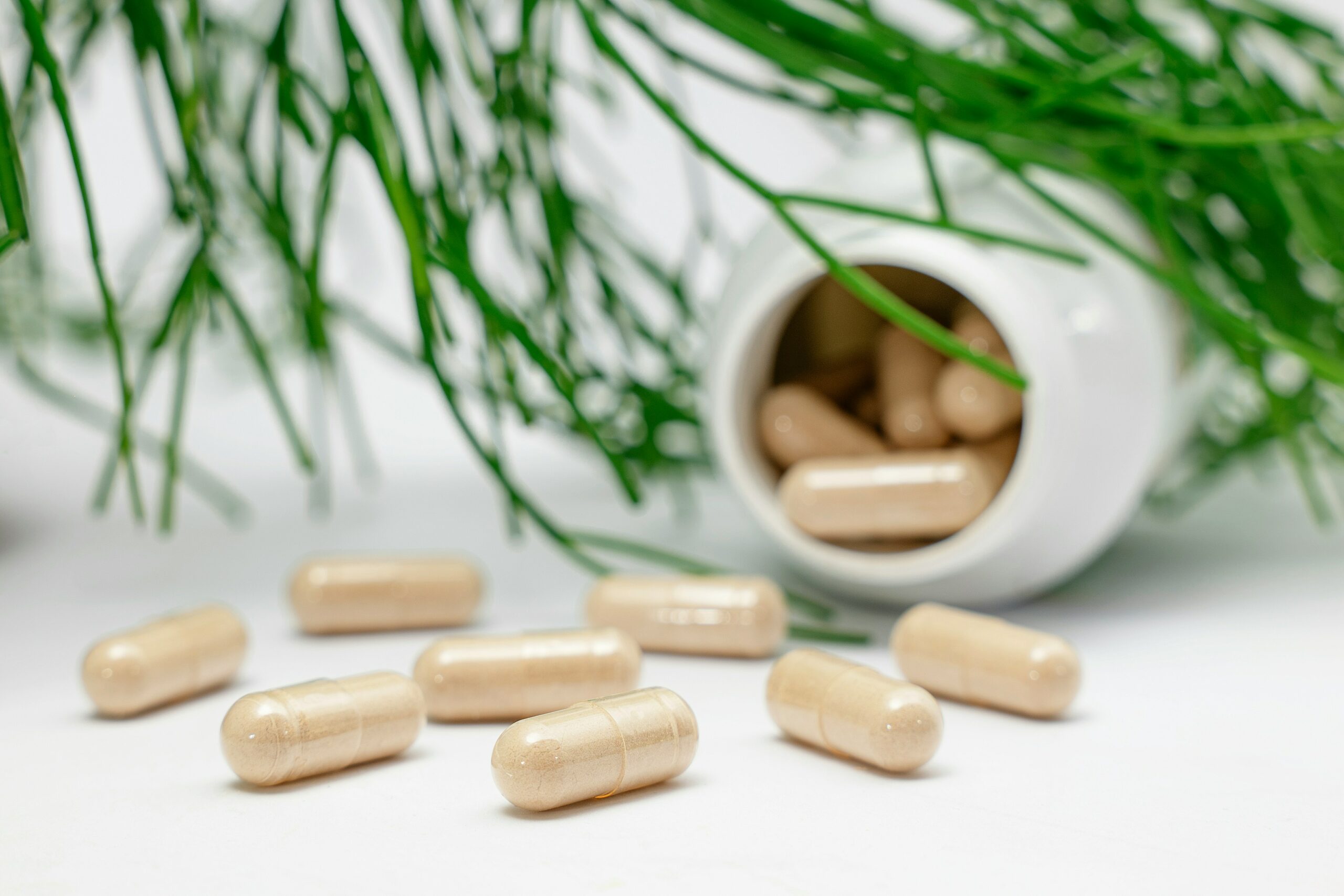
Daily consumption of turmeric, whether as a spice or supplement, is generally safe. For supplements, a daily dose of 500 to 2000 mg is recommended to experience benefits without side effects.
6.2 Effects of excessive consumption
Excessive consumption can lead to adverse effects, such as stomach upset. It is advisable to start with low doses and gradually increase them according to individual tolerance.
7. Importance of laboratory curcuminoid analysis
7.1 Why analyze curcuminoids?
Curcuminoids, as active compounds found in many food and medicinal products, require rigorous analysis to guarantee their concentration and purity. This analysis ensures that turmeric-based products meet quality and efficacy standards.
7.2 Analytical techniques used
Specialized laboratories use techniques such as high-performance liquid chromatography (HPLC) to quantify curcuminoids in complex matrices. HPLC allows for the precise separation and quantification of different curcuminoids in samples.
7.3 Standards and certifications
Curcuminoid analyses must be performed in ISO 17025 certified laboratories, thus guaranteeing the reliability of the results. In France, laboratories must be COFRAC to ensure that their analytical methods meet international standards.
7.4 Advanced methods to guarantee purity and effectiveness
In addition to HPLC, techniques such as mass spectrometry (MS) and gas chromatography (GC) are used to detect impurities and verify the purity of curcuminoids at very low concentrations. These methods help ensure that marketed products meet safety and quality standards.
Conclusion
Curcuminoids are natural compounds with numerous health benefits. While their bioavailability has been a challenge, scientific advances are now improving their absorption. Thanks to rigorous laboratory analysis techniques, curcuminoid-based products can be tested to ensure their efficacy and safety.