Polyphenols are bioactive compounds found in large quantities in the plant kingdom. They play a vital role in plant protection and possess numerous beneficial properties for human health. Thanks to their strong antioxidant capacity, they contribute to the prevention of cardiovascular, inflammatory, and neurodegenerative diseases. They are found primarily in fruits, vegetables, tea, red wine, and dark chocolate. In the agri-food sector , and due to their increasing importance in nutrition and health, their laboratory analysis is essential to guarantee their quality and efficacy. YesWeLab supports you in implementing reliable and tailored analyses for the quantification and characterization of polyphenols, drawing on a broad network of specialized laboratories.
Table of Contents
What are polyphenols?
Definition and chemical structure
Polyphenols are a family of organic molecules characterized by the presence of at least two phenolic groups attached to a more or less complex carbon structure. These compounds are produced by the secondary metabolism of plants and are involved in various defense mechanisms against external aggressions, such as UV radiation, insect attacks, or microbial infections.
Polyphenols are distinguished by their chemical diversity and their ability to interact with other biomolecules, which gives them antioxidant, anti-inflammatory, and antimicrobial properties. They exist in free form or bound to carbohydrates, which influences their bioavailability and assimilation by the body.
Origin and role in the plant world
Polyphenols are present in almost all plants and perform several essential functions:
- Protection against UV and pathogens : by absorbing ultraviolet radiation and neutralizing free radicals, they limit oxidative stress in plant cells.
- Defense against herbivores : some plants produce polyphenols with astringent or toxic effects to deter predators.
- Pigmentation and pollination : anthocyanins, a subcategory of polyphenols, give flowers and fruits their bright colors, thus promoting the attraction of pollinators.
- Growth and cell signaling : polyphenols regulate the expression of certain genes involved in plant growth and development.
Presence of polyphenols in food
Polyphenols are naturally present in a wide variety of plant-based foods. Their concentration varies depending on several factors, including the ripeness of the fruit or vegetable, growing conditions, and processing and preservation techniques.
The main dietary sources of polyphenols are:
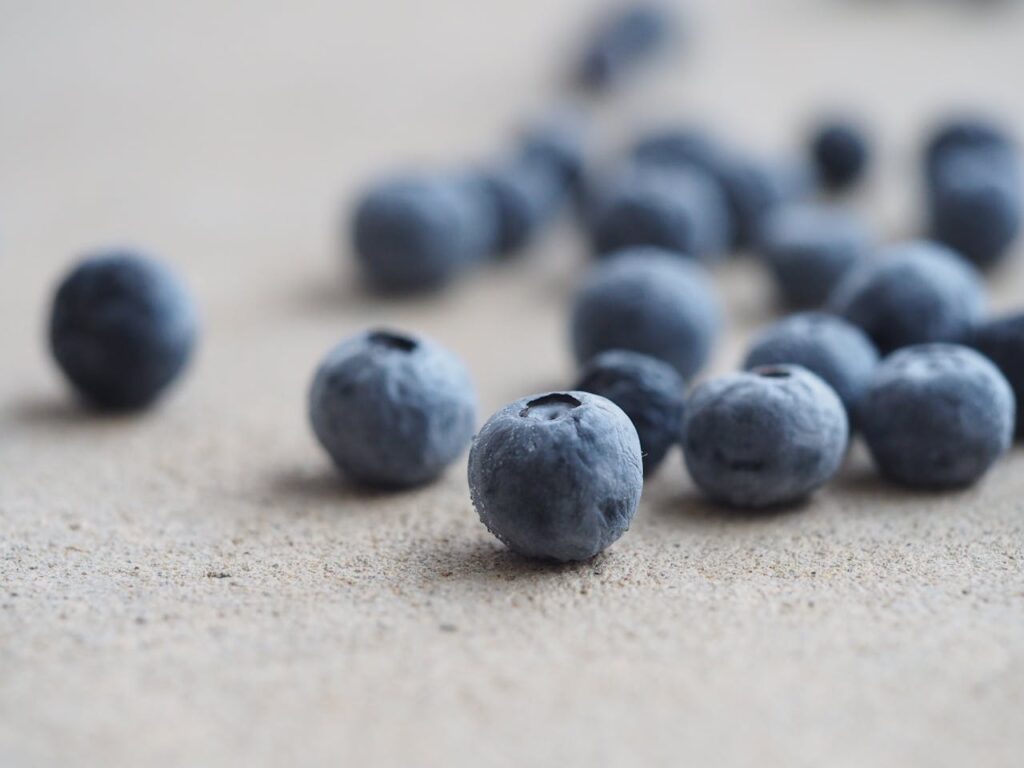
- Red fruits and berries : strawberries, blueberries, raspberries, blackcurrants.
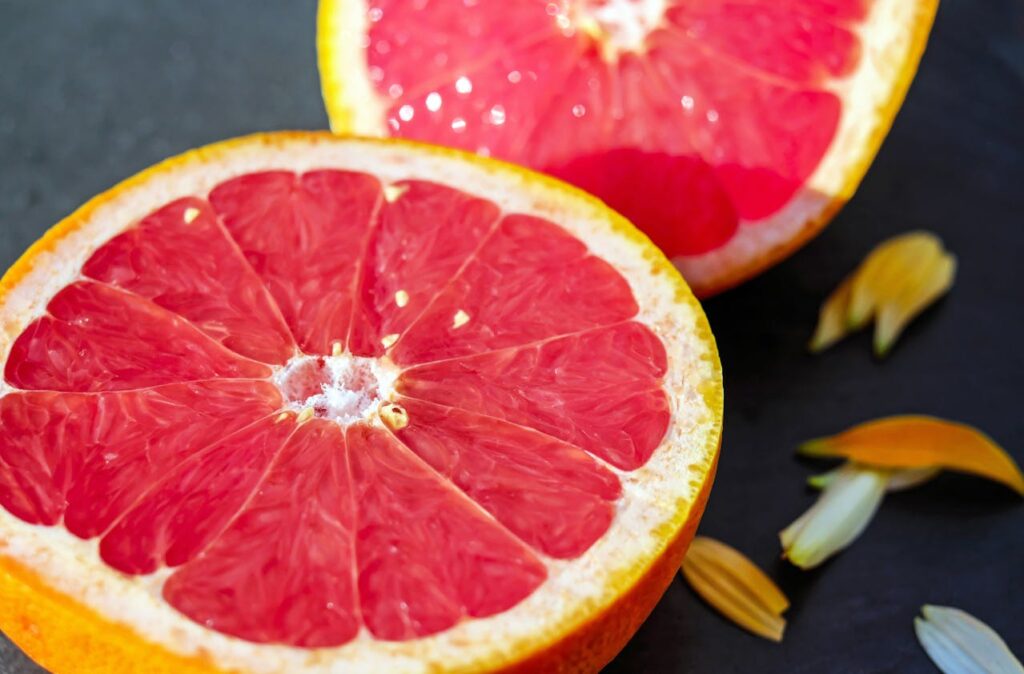
- Citrus fruits : oranges, lemons, grapefruits.
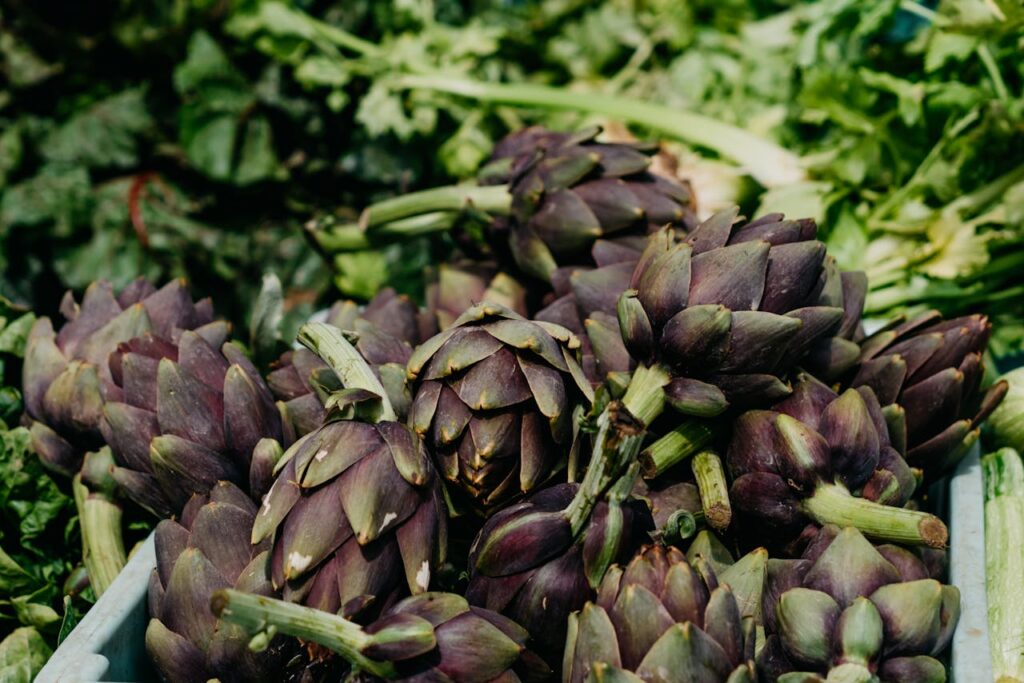
- Vegetables : onions, broccoli, artichokes, spinach.
- Drinks : green tea, coffee, red wine.
- Derivative products : dark chocolate, virgin olive oil, spices.
The bioavailability of polyphenols depends on their chemical structure and their interaction with the gut microbiota. Some polyphenols, such as the catechins in green tea or the resveratrol in red wine, are well absorbed by the body, while others, such as tannins, require transformation by the gut flora to be effectively assimilated.
Classification of polyphenols
Polyphenols form a highly diverse family of molecules, classified into two main categories: flavonoids and non-flavonoids. Each subgroup possesses specific properties and is found in various food sources. This classification allows for a better understanding of their biological role and their importance for health.
Flavonoids: antioxidants with multiple benefits
Flavonoids represent the largest class of polyphenols and are distinguished by a common structure composed of two benzene rings linked by an oxygenated ring. They are found in abundance in fruits, vegetables, tea, and wine. They are recognized for their antioxidant, anti-inflammatory, and cardiovascular-protective properties .
The main subgroups of flavonoids are:
- Flavonols : found in onions, broccoli and green tea, they include compounds like quercetin, known for its protective effect against oxidative stress and inflammation.
- Flavones : found in parsley, celery and certain medicinal plants, they have anti-inflammatory and neuroprotective effects.
- Flavanones : abundant in citrus fruits, they include naringenin and hesperidin, which contribute to vascular health and cholesterol regulation.
- Flavan-3-ols (catechins) : found mainly in green tea, cocoa and wine, these molecules play a key role in protecting against cardiovascular diseases.
- Anthocyanins : responsible for the red, purple and blue colors of berries, grapes and certain flowers, they possess strong antioxidant activity and protect blood capillaries.
- Isoflavones : found mainly in soy and legumes, they have an action similar to estrogens and are studied for their effects on hormonal and bone health.
Non-flavonoids: a diversity of structures and functions
Non-flavonoids encompass several subfamilies of polyphenols with varied structures and specific roles. Although less studied than flavonoids, these compounds play a key role in cell protection and the modulation of the gut microbiota.
The main groups of non-flavonoids are:
- Phenolic acids : found in coffee, whole grains, and berries, they include gallic acid, ferulic acid , and caffeic acid . These compounds are known for their antioxidant and anti-inflammatory properties, as well as their ability to neutralize free radicals.
- Stilbenes : resveratrol, the main representative of this family, is present in grapes and red wine. It is studied for its anti-aging and cardioprotective properties.
- Lignans : found in flax seeds, cereals and certain vegetables, they are transformed by the intestinal microbiota into compounds with phytoestrogenic effects, beneficial for hormonal health.
- Tannins : abundant in tea, cocoa, and certain fruits, they have a strong ability to interact with proteins and modulate nutrient absorption. They are also known for their astringent action and their protective effect on the digestive mucous membranes.
Factors influencing polyphenol concentration
The polyphenol content of a food varies depending on several factors:
- Botanical origin : some varieties of fruits and vegetables are naturally richer in polyphenols than others.
- Growing conditions : sun exposure, soil type and agricultural methods influence the production of these compounds.
- The degree of ripeness : polyphenols develop as fruits and vegetables ripen. For example, berries picked at peak ripeness are richer in anthocyanins.
- Processing and storage methods : cooking, pasteurization, and prolonged storage can alter the polyphenol content of foods. Green tea, for example, retains more catechins than black tea, which undergoes prolonged oxidation.
Thanks to this classification, it is possible to better understand how polyphenols act in the body and which food sources to favor to benefit from their protective properties.
Are you looking for an analysis?
Health benefits of polyphenols
Polyphenols play a vital role in protecting the body against various stressors and chronic diseases. Thanks to their antioxidant, anti-inflammatory, and antimicrobial properties, they contribute to the prevention of numerous pathologies. Regular consumption, through a varied and balanced diet, is associated with positive effects on cardiovascular, metabolic, and neurological health.
Antioxidant properties and cell protection
Polyphenols are among the most powerful dietary antioxidants. They neutralize free radicals , unstable molecules generated by metabolism or environmental factors (pollution, UV, tobacco), which can damage cells and accelerate aging.
- They limit oxidative stress , a key factor in the development of chronic diseases.
- Their antioxidant power is sometimes superior to that of vitamins C and E , according to some in vitro studies.
- Certain polyphenols, such as flavonols and anthocyanins , protect cell membranes and DNA from oxidative damage.
Protective effects on the cardiovascular system
A high intake of polyphenols is associated with a reduced risk of cardiovascular disease . They act on several levels to improve the health of the heart and blood vessels:
- Reduction of hypertension : certain flavonoids, such as quercetin (found in onions and green tea), contribute to the dilation of blood vessels and the regulation of blood pressure.
- Improvement of lipid profile : polyphenols limit the oxidation of LDL cholesterol (the "bad" cholesterol), a key factor in the formation of atherosclerotic plaques.
- Antiplatelet effect : certain polyphenols, particularly those in red wine (resveratrol), reduce the risk of blood clot formation and prevent vascular accidents.
Anti-inflammatory and immunomodulatory effects
Chronic inflammation is implicated in many diseases, such as arthritis, diabetes, and certain autoimmune diseases. Polyphenols possess anti-inflammatory properties that help reduce these harmful processes.
- They modulate the activity of cytokines (pro-inflammatory molecules) and reduce the production of substances involved in chronic inflammation.
- Some flavonoids, such as the catechins in green tea, inhibit the production of prostaglandins , which are responsible for pain and inflammation.
- Resveratrol is being studied for its effects in preventing chronic inflammatory diseases such as inflammatory bowel disease.
Prevention of neurodegenerative diseases
Polyphenols have a neuroprotective effect thanks to their antioxidant and anti-inflammatory action on the brain. They play a key role in the prevention of neurodegenerative diseases such as Alzheimer's and Parkinson's .
- They reduce the accumulation of amyloid plaques , one of the key factors in the development of Alzheimer's disease.
- They improve cerebral circulation and promote neurogenesis (the formation of new nerve cells).
- The flavonoids in cocoa and grapes contribute to the preservation of cognitive abilities and memory.
Impact on the gut microbiota and digestion
Polyphenols modulate the composition of the gut microbiota , promoting the growth of beneficial bacteria and limiting the development of pathogenic bacteria.
- Certain polyphenols, such as those in tea and wine, reduce the adhesion of Helicobacter pylori , a bacterium involved in gastric ulcers.
- They promote a balanced microbiota by stimulating the growth of bifidobacteria and lactobacilli, which are beneficial for digestion and immunity.
- Certain tannins and flavonoids help protect the intestinal lining , thus reducing inflammation and the risk of digestive disorders.
Role of polyphenols in weight and metabolism control
Several studies show that polyphenols can help regulate lipid and carbohydrate metabolism , playing a potential role in the prevention of obesity and diabetes .
- They stimulate fat oxidation and promote energy expenditure.
- They reduce inflammation associated with obesity , a key factor in insulin resistance.
- Certain polyphenols, such as those in green tea (EGCG), increase thermogenesis , that is, the body's ability to burn calories.
Thanks to their numerous benefits, polyphenols are now considered essential compounds for preventing chronic diseases and maintaining good health. Regular consumption, through a diet rich in fruits, vegetables, and other plant-based sources, is recommended to fully benefit from their protective effects.
Where are polyphenols found?
Polyphenols are naturally present in a wide variety of plant-based foods. Their concentration varies depending on several factors, including the plant species, the stage of ripeness, growing conditions, and processing methods. Some foods are particularly rich in polyphenols and thus contribute to their health benefits.
Fruits and vegetables: the main sources of polyphenols
Fruits and vegetables are the most important dietary sources of polyphenols. Their content depends on the variety, ripeness, and growing method.
- Red fruits and berries : strawberries, blueberries, raspberries, blackcurrants, blackberries and cranberries are rich in anthocyanins, polyphenols with powerful antioxidant effects.
- Citrus fruits : oranges, lemons, grapefruits and tangerines contain flavanones, which improve blood circulation and reduce inflammation.
- Apples and pears : they are an important source of flavonoids and phenolic acids, especially in their skin.
- Green vegetables : onions, broccoli, spinach and artichokes are rich in flavonols and phenolic acids, playing a key role in cell protection.
- Legumes : soybeans and chickpeas are rich in isoflavones, which have beneficial effects on hormonal metabolism.
Drinks rich in polyphenols
Certain beverages are particularly concentrated sources of polyphenols and contribute significantly to our daily intake.
- Green tea and black tea : rich in catechins and theaflavins, they possess powerful antioxidant and anti-inflammatory properties.
- Coffee : contains phenolic acids, including chlorogenic acid, which promotes the regulation of glucose metabolism and protection against certain metabolic diseases.
- Red wine : thanks to the polyphenols in grapes, including resveratrol and tannins, it has protective effects on the cardiovascular system when consumed in moderation.
- Fruit juices and smoothies : especially those made from red fruits, grapes or citrus fruits, which retain a good polyphenol content when fresh and unpasteurized.
Derivative products and other food sources
Besides fruits, vegetables and drinks, other foods are also rich in polyphenols and deserve to be included in a balanced diet.
- Dark chocolate and cocoa : cocoa is one of the most concentrated food sources of flavan-3-ols, including catechins and proanthocyanidins, known for their role in cardiovascular protection.
- Spices and aromatic herbs : turmeric, cloves, cinnamon, oregano and thyme are rich in polyphenols with antioxidant and anti-inflammatory properties.
- Seeds and nuts : almonds, walnuts, hazelnuts and flax seeds provide lignans and flavonoids that are beneficial for hormonal and cardiovascular health.
- Vegetable oils : extra virgin olive oil contains polyphenols such as oleuropein, which has anti-inflammatory and antioxidant properties.
The influence of transformation and storage processes
The polyphenol content of foods can be altered by processing and storage methods. Some practices help preserve their richness in bioactive compounds, while others result in significant losses.
- Effects of cooking : prolonged cooking, especially at high temperatures, can reduce the concentration of polyphenols, particularly in vegetables. Steaming is preferable to preserve their beneficial properties.
- Impact of storage : prolonged exposure to air and light degrades certain oxidation-sensitive polyphenols. It is advisable to keep fruits and vegetables refrigerated and to consume juices soon after extraction.
- Industrial processing : processes such as pasteurization or hot extraction can reduce the polyphenol content of juices and beverages. Conversely, fermentation, such as that of tea or cocoa, can increase the bioavailability of certain compounds.
The polyphenol content of a food therefore depends not only on its origin, but also on how it is grown, processed, and consumed. Eating a varied diet, including fresh and minimally processed foods, is the best way to fully benefit from these bioactive compounds.
Laboratory methods for analyzing polyphenols
Laboratory analysis of polyphenols is essential for quantifying their concentration in food, beverages, dietary supplements, and cosmetic products. These analyses help guarantee product quality, validate health claims, and ensure compliance with applicable regulations. Several analytical methods are commonly used to identify and quantify these compounds.
Why analyze polyphenols?
The analysis of polyphenols offers several major advantages in various industrial sectors:
- Agri-food : assess the polyphenol content of foods and beverages to guarantee their nutritional quality.
- Nutraceuticals : validate the composition of food supplements and guarantee the effectiveness of the polyphenols used.
- Cosmetics : analyze the presence of polyphenols in plant extracts intended for anti-aging care and protective formulations.
- Oenology : measuring the tannin and anthocyanin content of wines to ensure their stability and organoleptic quality.
- Scientific and pharmaceutical research : studying the effects of polyphenols on health and developing new therapeutic formulations.
Spectrophotometric methods
Spectrophotometric methods are commonly used to quantify the total concentration of polyphenols in a sample. They are rapid, simple to implement, and provide reproducible results.
- Folin-Ciocalteu method : This technique, widely used in laboratories, is based on the reaction between polyphenols and the Folin-Ciocalteu reagent, resulting in a color change measurable by UV-visible spectrophotometry. It allows for the evaluation of the total polyphenol content in a plant extract, food, or beverage.
- Specific assay of flavonoids and tannins : some spectrophotometric methods allow the analysis of subgroups of polyphenols, such as flavonoids (aluminum test) or tannins (vanillin-HCl reagent for proanthocyanidins).
These techniques are mainly used for routine analyses , but they do not allow for the precise identification of the structure of polyphenols present in a sample.
Chromatographic methods
Chromatographic methods are more precise and allow for the separation, identification, and quantification of the different polyphenols present in a complex mixture. They are widely used in industry and research.
- Thin layer chromatography (TLC) : a qualitative method used to identify the presence of certain polyphenols in a plant extract by comparing their migration with reference standards.
- High-performance liquid chromatography (HPLC-UV/MS) : the reference technique for polyphenol analysis, it allows for the precise identification of each compound and the quantification of its concentration. Detection can be performed by UV (HPLC-UV) or by mass spectrometry (HPLC-MS) for greater sensitivity and more precise identification.
- Gas chromatography coupled with mass spectrometry (GC-MS) : used for the analysis of volatile polyphenols after chemical derivatization, particularly in certain plant extracts and essential oils.
These techniques allow for precise mapping of a product's polyphenolic profile, which is essential for food supplement formulations, polyphenol absorption studies, and quality control .
Electrochemical and biological methods
More recent approaches allow us to assess the biological activity of polyphenols and their potential impact on health.
- Electrochemical methods : these are based on the ability of polyphenols to transfer electrons and allow for the evaluation of their overall antioxidant power.
- In vitro biological tests : some methods such as the ORAC (Oxygen Radical Absorbance Capacity) test or the DPPH test allow the antioxidant capacity of polyphenols to be evaluated by neutralizing specific free radicals.
- Metabolomic analyses : used in research, they allow the study of the bioavailability of polyphenols and their metabolism in the body after ingestion.
These methods complement chemical analyses and provide information on the actual effectiveness of polyphenols in the body .
Standards and regulations for polyphenol analysis
The analysis of polyphenols must meet strict regulatory requirements , particularly for the agri-food and nutraceutical sectors.
- ISO 17025 standards : guarantees the reliability of analyses performed in the laboratory.
- International Organisation of Vine and Wine (OIV) : references the Folin-Ciocalteu method for the analysis of polyphenols in wine.
- European regulations and EFSA (European Food Safety Authority) : impose requirements on the labeling and health claims of polyphenols in food supplements and fortified foods.
Adherence to these standards is crucial to ensure the traceability and reliability of analytical results , particularly in sectors where the quality of polyphenols directly influences the effectiveness of the final product.
Thanks to these advanced methods, laboratories are able to provide precise data on the polyphenol composition of food, beverages and health products , thus guaranteeing their quality and regulatory compliance.
YesWeLab's expertise in polyphenol analysis
YesWeLab is a key player in polyphenol analysis thanks to its network of over 200 partner laboratories across France and Europe. Specializing in analyses for the food, nutraceutical, cosmetic, and wine , YesWeLab provides manufacturers with advanced solutions for the quantification and characterization of polyphenols.
Why have polyphenols analyzed with YesWeLab?
Polyphenol analysis is essential to guarantee the quality and efficacy of products containing these bioactive compounds. YesWeLab offers an analytical service tailored to the needs of professionals, addressing several key challenges:
- Optimizing product formulation : ensuring precise dosing of polyphenols in food supplements, beverages and cosmetics.
- Quality control and traceability : ensuring the stability of polyphenols in food and pharmaceutical matrices.
- Compliance with regulations : meeting the requirements of ISO 17025, COFRAC and European (EFSA) and American (FDA) regulations .
- Validation of health claims : providing scientific evidence of the benefits of polyphenols in a product, particularly for food supplements and functional drinks .
- Improving shelf life : identifying interactions between polyphenols and other compounds to prevent their degradation during storage.
Analysis methods proposed by YesWeLab
YesWeLab provides manufacturers with advanced analytical methods to guarantee accurate and reproducible results.
Spectrophotometric methods
- Total polyphenol assay (Folin-Ciocalteu method) : reference in oenology and agri-food.
- Specific assay of flavonoids and tannins : evaluation of polyphenol subfamilies by UV-visible spectrophotometry.
Chromatographic methods
- HPLC-UV/MS (High Performance Liquid Chromatography with UV detection and mass spectrometry) : identification and quantification of specific polyphenols.
- TLC (Thin Layer Chromatography) : rapid analysis of polyphenols in plant extracts.
Biological and electrochemical methods
- ORAC (Oxygen Radical Absorbance Capacity) test : measurement of the antioxidant power of polyphenols in a product.
- Evaluation of antimicrobial and anti-inflammatory activity : specific tests for plant extracts intended for the nutraceutical and cosmetic sectors.
Thanks to this expertise, YesWeLab supports manufacturers in choosing the methods best suited to their analytical and regulatory needs.