Phytic acid, also known as phytate in its ionized form, is an organic compound naturally present in plants, primarily in their seeds. Although its role is crucial in plant development, it is currently the subject of scientific debate. Considered an antinutrient due to its interactions with minerals, it nevertheless possesses properties beneficial to human health.
Furthermore, its impact on animal nutrition is also widely studied, particularly for optimizing mineral absorption in livestock. This article explores in depth the chemical nature, biological functions, and nutritional impact of phytic acid.
1. Introduction
Definition of phytic acid
Phytic acid, with the chemical formula C6H18O24P6 , is an inositol hexakisphosphate . It is a derivative of myo-inositol, a six-carbon cyclic molecule where each hydroxyl group is substituted by a phosphate. This compound is therefore particularly rich in phosphorus in its organic form.
Under physiological pH conditions, such as in the digestive tract, phytic acid partially dissociates to form phytate ions . This polyanionic character allows it to easily bind to minerals such as zinc, iron, calcium, and magnesium, forming insoluble complexes that are difficult for the body to absorb.
Why do plants produce phytic acid?
A key role in phosphorus storage
Phytic acid is the primary storage form of phosphorus in plants. It accounts for up to 90% of the total phosphorus contained in seeds and other plant tissues. During germination, the phosphorus stored in phytic acid is released through the action of enzymes called phytases . This process allows the young seedling to access an energy and nutrient reserve essential for its growth.
Protection against herbivores and pathogens
Phytic acid also plays a defensive in plants. By forming insoluble complexes with minerals, it reduces their bioavailability to herbivores and omnivores that consume these plants. This defense mechanism thus limits the assimilation of essential nutrients by predators and contributes to seed survival.
Where is phytic acid found? The main sources
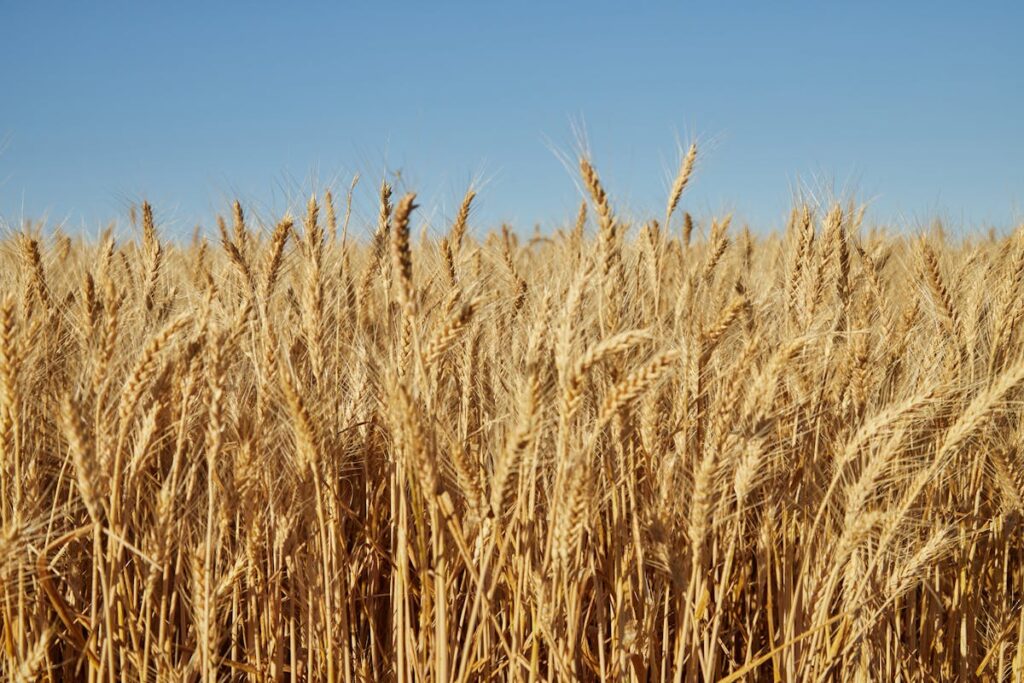
Phytic acid is abundant in the plant kingdom , particularly in the reproductive parts of plants, such as seeds and nuts . Here is a detailed overview of the main sources:
- Cereals : Wheat, rice, corn, barley, oats. Phytate is found mainly in the outer layers of the grains, such as bran.
- Pseudo-cereals : Quinoa, buckwheat, amaranth. These seeds, although not related to classic cereals, are also rich in phytates.
- Legumes : Beans, lentils, chickpeas, broad beans. Phytates are concentrated in the cotyledons .
- Oilseeds : Soybeans, flaxseeds, chia seeds, sesame seeds, rapeseed seeds. Contents vary depending on growing conditions and varieties.
- Nuts : Almonds, walnuts, hazelnuts, Brazil nuts. Almonds and Brazil nuts are particularly rich in phytic acid.
Impact of phytic acid in the modern diet
Phytic acid is often associated with a nutritional paradox . In developed countries, where diets are generally varied and balanced, moderate consumption offers health benefits due to its antioxidant properties. Conversely, in regions where the diet is primarily based on unprocessed grains and legumes, excessive consumption can lead to mineral deficiencies .
Positive effects
- Prevention of kidney stones : By limiting the crystallization of calcium in biological fluids.
- Antioxidant activity : Phytate traps free metal ions, thus limiting the formation of free radicals.
- Hypoglycemia : It contributes to the regulation of glucose levels in the blood.
Negative effects
- Mineral deficiencies : Insoluble complexes formed with zinc, iron and calcium reduce their intestinal absorption.
- Bioavailability problems : Particularly in populations with high consumption of whole grains and unfermented legumes.
2. Chemical structure and properties of phytic acid
Chemical structure of phytic acid
Phytic acid has the molecular formula C6H18O24P6 , making it a phosphate derivative of myo-inositol , a six-carbon cyclic molecule. Its structure is based on a cyclohexane , in which each hydroxyl group (OH) is esterified by a phosphate group (-O-PO(OH)2).
In its native form, phytic acid is neutral . However, in aqueous environments, particularly at a physiological pH between 6 and 7 , the phosphate groups lose hydrogen ions (H+), giving it a polyanionic charge . At this stage, it is called phytate , an ionized form capable of binding strongly to cationic minerals such as calcium (Ca2⁺), zinc (Zn2⁺), iron (Fe2⁺/Fe3⁺), and magnesium (Mg2⁺).
This ability to chelate mineral ions is at the heart of the antinutritional properties of phytate, but it also explains its potential benefits as an antioxidant and protective agent against certain diseases.
Physicochemical properties
Phytic acid has several distinctive properties:
- Solubility : It is slightly soluble in pure water, but its solubility increases in the presence of basic salts or slightly acidic pH.
- Thermal stability : Phytic acid is relatively stable to heat, meaning that normal cooking temperatures are not always sufficient to degrade it.
- Chelation capacity : Its six negatively charged phosphate groups form stable complexes with multivalent metal ions. This property is used to trap minerals and limit their bioavailability in biological systems.
These properties explain why phytic acid is often perceived as an antinutrient in diets rich in unprocessed grains and legumes.
Interaction with minerals
One of the main characteristics of phytic acid is its ability to interact with essential minerals :
- Zinc (Zn²⁺) : Phytate binds strongly to zinc, forming insoluble complexes in the intestine, which reduces the absorption of this trace element essential for cellular metabolism.
- Iron (Fe²⁺/Fe³⁺) : It acts as a powerful chelator of iron, particularly in its ferric form (Fe³⁺), limiting its absorption. This effect is especially problematic in populations prone to iron deficiency anemia.
- Calcium (Ca2⁺) : Phytate-calcium complexes precipitate in the intestine, which decreases the bioavailability of calcium needed for bone health .
- Magnesium (Mg²⁺) : Phytic acid also reduces the absorption of magnesium, which is essential for enzymatic and muscular regulation.
These interactions explain the mineral deficiencies observed in populations whose diet is based on unfermented cereals and legumes rich in phytic acid.
Antioxidant properties of phytic acid
antioxidant properties . Thanks to its ability to trap free metal ions , such as iron (Fe³⁺), it inhibits the production of free radicals through Fenton-type oxidation reactions.
Free radicals are responsible for oxidative stress , a phenomenon implicated in cellular aging, cardiovascular disease, and certain cancers. By neutralizing these reactive species, phytic acid helps protect cells against oxidative damage.
Numerous studies have shown that phytate is capable of reducing inflammation and inhibiting tumor growth in certain experimental models, making it a subject of interest for pharmaceutical research .
Towards a better understanding of its properties
The dual nature of phytic acid, both antinutritional and beneficial , largely depends on dietary conditions and the bioavailability of minerals. In a balanced diet, where micronutrient intake is sufficient, its antioxidant and protective properties prevail. Conversely, in unbalanced diets, its ability to chelate minerals can pose nutritional risks .
Thus, phytic acid is a complex compound whose chemical structure and properties deserve in-depth analysis to better utilize it in the agri-food industry and human health.
Are you looking for an analysis?
3. Dietary sources of phytic acid
Phytic acid is widely present in the plant world, where it plays a key role in plant metabolism. In human nutrition, it is found in many foods, primarily in seeds, grains, and legumes. Identifying food sources rich in phytic acid allows for a better understanding of its health impacts and helps optimize dietary choices to reap its benefits while minimizing risks.
Cereals and pseudo-cereals
Cereals represent a major source of phytic acid in diets, particularly in regions where they are a staple food.
- Wheat : Phytic acid is concentrated in the bran and germ, the outer parts of the grains. Wholemeal bread, made from unrefined flour, therefore contains higher amounts of phytic acid than white bread.
- Rice : Present mainly in brown rice, phytic acid is removed during the refining process to produce white rice.
- Maize : Phytate content varies depending on the variety, but it is particularly important in crops intended for animal feed.
- Pseudo-cereals : Quinoa and buckwheat, although belonging to a different botanical family, also contain significant levels of phytic acid. These grains, often prized in gluten-free diets, offer an interesting nutritional alternative despite their high phytate content.
Legumes: high phytate content
Legumes, such as beans, lentils, and chickpeas, are among the foods richest in phytic acid. The concentration is mainly found in the cotyledons , the nutritious tissues of these seeds.
- Beans : Red and black beans contain a particularly high level of phytates, which can reduce the absorption of minerals such as iron and zinc.
- Lentils : An important source of plant-based protein, but also of phytic acid, requiring specific preparation techniques to improve bioavailability.
- Chickpeas : They offer a wealth of fiber and minerals, but their phytate content can hinder optimal nutrient absorption.
Sprouted legumes, on the other hand, have a significantly reduced phytate content, making them an interesting option from a nutritional point of view.
Oilseeds and nuts
Oilseeds and nuts are also notable reservoirs of phytic acid, although their beneficial properties, including their richness in essential fatty acids, are widely recognized.
- Flax seeds : Their high phytate content, combined with their richness in fiber and omega-3 fatty acids, makes them a nutritious food to be consumed in moderation.
- Chia seeds : Less rich in phytates than flax seeds, they remain an important source of phytic acid for regular consumers.
- Almonds and walnuts : Nuts such as almonds, common walnuts and Brazil nuts have a phytic acid content that varies greatly depending on their origin and growing conditions.
Factors influencing the phytic acid content of foods
The amount of phytic acid present in food depends on several factors:
- Growing conditions : Soil types, irrigation and fertilizers used influence the concentration of phytates in plants.
- Seed maturity : Seeds harvested at maturity generally contain more phytic acid than those harvested prematurely.
- Transformation process : Techniques such as refining, fermentation or germination have a direct impact on the phytate content of the finished products.
List of foods richest in phytic acid
Here are some concrete examples, expressing the average levels of phytic acid (in grams per 100 grams of food):
- Whole wheat : 0.39 – 1.35 g
- Brown rice : 0.06 – 1.08 g
- Beans : 0.61 – 2.38 g
- Flax seeds : 2.15 – 3.69 g
- Almonds : 0.35 – 9.42 g
- Brazil nuts : 0.29 – 6.34 g
These variations show that phytic acid levels are influenced by environmental conditions and preparation methods.

4. The biological role of phytic acid in plants
Phytic acid plays a fundamental role in plant development and survival. Found primarily in seeds, it acts as a key component in biological processes related to germination, growth, and protection against predators and environmental stressors. Understanding this biological role is essential for assessing its impact in food chains and the agri-food industry.
A phosphorus reservoir for germination
Phytic acid constitutes a major reserve of organic phosphorus in plants. This role is particularly important for seeds, where it represents up to 90% of the total phosphorus stored .
- Location : In seeds, phytic acid is found in the outer layers (aleurone) and in the embryo.
- Function during germination : When the seed begins to germinate, phytic acid is broken down by phytase enzymes . These enzymes hydrolyze the phosphate groups to release inorganic phosphorus. This phosphorus then becomes available to the seedling, which needs it for its early stages of growth.
This reserve is crucial, as it ensures a supply of energy and nutrients to young plants in environments where external resources may be limited.
A natural defense against predators
In addition to its role in phosphorus storage, phytic acid helps protect plants against herbivores and omnivores .
- Mineral chelation : By forming insoluble complexes with essential minerals such as calcium, zinc, and iron, phytic acid reduces their bioavailability to animals that consume the seeds. This makes these nutrients less accessible to predators, thus reducing the nutritional value of the seeds for them.
- Antinutritional effect : This mechanism helps to deter predators by limiting their ability to take advantage of seeds rich in phytic acid.
This chemical defense is an effective survival strategy, particularly for seeds that must wait for favorable conditions to germinate.
Mineral storage and cell stabilization
Phytic acid also acts as a mineral reservoir for the plant, storing ions such as calcium, magnesium, iron, and potassium in the form of phytate complexes.
- Nutrient preservation : These complexes allow the seed to retain essential resources for its future development.
- Cell stabilization : In addition to its nutritional role, phytic acid protects plant cells by acting as a natural antioxidant , capable of neutralizing free radicals produced by environmental stress.
An ecological role in seed dispersal
Phytic acid also plays an indirect role in seed dispersal and their ability to establish themselves in new environments.
- Soil adaptation : By gradually releasing phosphorus and other minerals during germination, seeds can adapt to nutrient-poor soils.
- Influence on biogeochemical cycles : The degradation of phytic acid by soil microorganisms contributes to the recycling of nutrients in the ecosystem.
Natural limits of phytic acid
Although phytic acid is essential for plant development, it has limitations in certain contexts:
- Phytase deficiency : If environmental or genetic conditions limit phytase production, phosphorus release may be insufficient to support germination.
- Ecological competition : In soils rich in competing microorganisms, nutrients released by phytic acid can be consumed by other organisms before being used by the seedling.
5. The effects of phytic acid on nutrient absorption
Phytic acid is often classified as an antinutrient due to its impact on the bioavailability of essential minerals. Its ability to bind to nutrients in the digestive tract can limit their absorption and lead to nutritional deficiencies, particularly in populations that consume large quantities of grains and legumes. However, its effects vary depending on dietary contexts and food preparation techniques.
A trap for essential minerals
Mineral complexation
Phytic acid, due to its polyanionic structure, forms stable complexes with metal ions in the intestine. These complexes, often insoluble, make minerals less available for absorption.
- Zinc (Zn²⁺) : The binding of phytate to zinc is particularly strong, significantly reducing its absorption by the intestine. This is a concern because zinc is crucial for the immune system and enzymatic functions.
- Iron (Fe²⁺ and Fe³⁺) : Phytic acid chelates iron, especially in its ferric form (Fe³⁺), decreasing its bioavailability. This can exacerbate the risk of iron deficiency anemia, particularly in vulnerable populations.
- Calcium (Ca2⁺) : Phytate-calcium complexes precipitate in the intestine, leading to a reduction in the absorption of this mineral essential for bone health.
- Magnesium (Mg²⁺) : Phytic acid also decreases the absorption of magnesium, a mineral involved in muscle and nerve function.
Impact on the digestion of proteins and carbohydrates
Phytic acid is not limited to interacting with minerals. It can also form complexes with proteins and carbohydrates, impairing their digestibility.
- Proteins : Phytate-protein complexes resist digestive enzymes such as trypsin and pepsin, thus reducing their assimilation.
- Starch : Phytic acid can inhibit the activity of amylase, an enzyme necessary for the breakdown of starch into simple sugars.
Nutritional deficiencies associated with a diet rich in phytates
High consumption of foods rich in phytic acid, without proper preparation, can lead to micronutrient deficiencies . These effects are particularly pronounced in regions where cereals and legumes make up a significant portion of the diet.
- Iron deficiency anemia : Reduced iron absorption, combined with insufficient intake, can lead to chronic fatigue and decreased cognitive performance.
- Growth retardation : In children, zinc deficiency linked to excessive consumption of phytates is a major cause of growth retardation in developing countries.
- Preventive approach : In these contexts, it is essential to adopt food preparation techniques that reduce phytic acid content and improve the bioavailability of minerals.

6. Methods for reducing phytic acid content
Phytic acid, while useful for plants and beneficial to human health in certain contexts, can cause problems when present in excess in the diet. To minimize its antinutritional effects, several culinary and industrial techniques exist to reduce its content in food. These methods, often used for centuries, rely on biological, chemical, or physical processes.
Soaking: a simple and effective method
Soaking is a traditional technique that involves immersing cereals, legumes or seeds in water for several hours before cooking them.
- Activation of natural phytases : Prolonged contact with water activates phytases , enzymes present in food, which break down phytic acid into simpler and more digestible forms.
- Phytate reduction : Depending on the soaking time and temperature, this method can reduce phytic acid content 50%
- Variable effectiveness : Results depend on the food being soaked. For example, legumes benefit particularly from this method, while some grains, such as rice, require prolonged soaking for a significant effect.
Germination: unlocking the nutritional potential of seeds
Germination is a process in which seeds are moistened and left to germinate under controlled conditions.
- Increased enzymatic activity : Germination stimulates natural phytases in seeds, leading to increased degradation of phytic acid.
- Phytate reduction : Studies show that germination can reduce phytic acid content by 30 to 80% , depending on the duration and type of seed.
- Improved bioavailability : This process also releases other essential nutrients, such as B vitamins, while increasing protein digestibility.
Fermentation: a key lever for cereals
Fermentation, used especially for sourdough bread making, is one of the most effective methods for reducing the phytic acid content of cereal-based foods.
- Lactic acid bacteria and phytases : During fermentation, lactic acid bacteria produce enzymes that lower the pH and activate phytases, thus degrading phytic acid.
- Substantial reduction : Sourdough bread, for example, can contain up to 70% less phytates than bread made from yeast alone.
- Various applications : Besides bread, fermentation is commonly used for soy-based products, such as miso and tempeh, which see their phytic acid content considerably reduced.
Heat treatment: a complementary method
Cooking, especially at high temperature or under pressure, can also reduce phytic acid content, although its effectiveness is often less than that of enzymatic or biological methods.
- Thermal hydrolysis : At high temperatures, phytic acid can be partially hydrolyzed, but this process remains limited without prior activation of phytases.
- Foods concerned : Legumes, such as beans and chickpeas, benefit from a significant reduction in their phytate content after prolonged cooking, especially if it follows soaking.
Combining methods: a synergistic approach
To maximize the reduction of phytic acid, it is often best to combine several techniques.
- Soaking followed by germination : This approach improves both the digestibility and bioavailability of nutrients, while effectively reducing phytate content.
- Germination followed by fermentation : Products like sourdough bread made from sprouted seeds benefit from a double reduction of phytic acid, thus offering better nutritional quality.
Importance of treatment conditions
The success of these methods depends on several factors, including:
- Temperature : Moderate temperatures are ideal for activating phytases.
- Duration : Extended soaking or germination times increase the effectiveness of the methods.
- pH : An acidic environment, such as that created during fermentation, enhances the activity of phytases and accelerates the degradation of phytates.
7. Laboratory analysis of phytic acid
Analyzing phytic acid is essential for understanding its presence and impact in food, agricultural products, and nutritional supplements. Laboratories use a variety of techniques to accurately quantify this compound in different matrices, ranging from grains to animal feed. This section explores the main analytical methods employed and their applications in the agri-food, environmental, and industrial sectors.
Why analyze phytic acid?
The analysis of phytic acid serves several purposes, including:
- Nutritional quality assessment : Foods rich in phytates may require a reduction in their content to improve nutrient bioavailability.
- Formulation validation : In the food and dietary supplement industry, it is crucial to ensure that phytic acid levels meet quality standards.
- Control of environmental impact : In animal feed, excessive phytate levels can lead to high phosphorus discharges, contributing to the eutrophication of soils and waters.
Common methods for the determination of phytic acid
Spectrophotometry
Spectrophotometry is one of the most widely used techniques for the determination of phytic acid in laboratories.
- Principle : This method is based on the detection of colored complexes formed between phytate and specific agents, such as ammonium molybdate.
- Applications : It is often used to analyze cereals, pulses, and animal feed.
- Advantages : Speed and reduced cost.
- Limitations : Lower accuracy in complex matrices containing many other compounds.
Enzyme assay
Enzyme kits, such as K-PHYT, allow for precise quantification of phytic acid.
- Principle : Phytases hydrolyze phytic acid into inorganic phosphates measured by a colorimetric reaction.
- Applications : Analysis of seeds, enriched products and food supplements.
- Advantages : High specificity and precision, suitable for complex matrices.
- Limitations : Slightly longer analysis time and cost of kits.
High-performance liquid chromatography (HPLC)
HPLC is used to precisely separate and quantify the different forms of inositol phosphates.
- Principle : Based on the separation of components according to their chemical properties, this technique offers a precise identification of phytates and their derivatives.
- Applications : Advanced research, validation of industrial products.
- Advantages : Accuracy and the ability to analyze multiple forms of phytic acid simultaneously.
- Limitations : Requires expensive equipment and technical expertise.
Key steps in laboratory analysis
- Sampling : Samples must be collected under sterile conditions to avoid contamination. Common matrices include cereals, pulses, vegetable oils, and dietary supplements.
- Sample preparation : Rigorous extraction of phytic acid is carried out using specific solvents or slightly acidic aqueous media.
- Quantification : Depending on the method chosen, phytic acid is measured using a spectrophotometer, an enzyme kit or a chromatograph.
- Interpretation of results : The data obtained are compared to industry standards to assess product conformity.
Industrial applications of analysis
Food industry
The analyses allow us to:
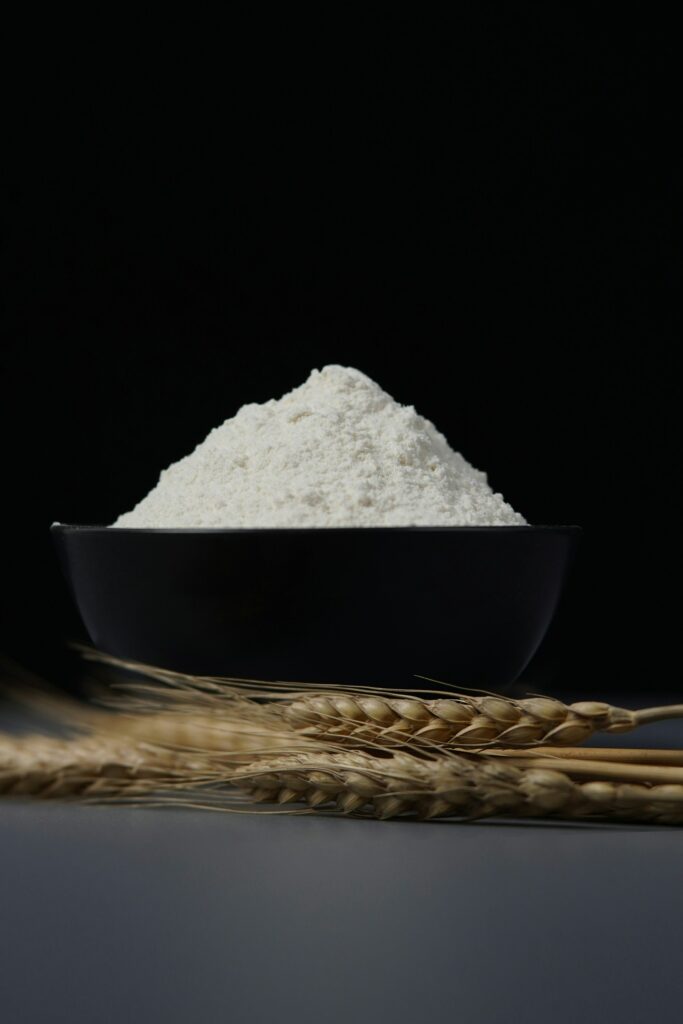
- Control the phytate content of flours and cereal products to optimize their nutritional quality.
- Evaluate the effectiveness of phytate reduction processes, such as fermentation or soaking.
In the food industry, phytic acid analysis allows for the control of phytate content in processed foods.
- Cereal products : Analyses help assess the effectiveness of phytate reduction processes, such as sourdough fermentation or heat treatment. This ensures better bioavailability of essential minerals for consumers.
- Flours and breads : Manufacturers use this data to adapt their manufacturing processes and offer nutrient-rich products while minimizing the antinutritional effects of phytates.
Nutraceuticals and food supplements
In this sector, analyses ensure that products are formulated to maximize their benefits while minimizing the risk of interaction with other nutrients. Data on phytic acid therefore allows for the formulation of mineral-enriched foods tailored to the nutritional needs of target populations, such as children or pregnant women, while taking into account the presence of phytates.
Animal feed
The animal feed uses phytic acid analysis to formulate more digestible feeds and reduce their environmental impact.
- Reducing phosphorus runoff : Excessive phytate levels in animal feed lead to poor phosphorus absorption, which is then released into the environment, contributing to soil and water eutrophication. Analysis allows for the formulation of phytate-enriched feeds to reduce these runoffs.
- Formulation optimization : Data from analyses helps balance mineral ratios in animal feed to maximize absorption and improve animal growth and health.
Use in the cosmetics industry
In the cosmetics industry, phytates are used for their stabilizing and antioxidant properties.
- Oxidation prevention : Phytic acid is used in some formulations to prevent the oxidation of oils and other sensitive ingredients, thereby increasing product shelf life.
- Skin care : Its chelating properties help to neutralize heavy metals present on the surface of the skin, thus improving the effectiveness of skincare.
Contribution to environmental sustainability
Phytic acid analysis plays a key role in environmental sustainability efforts, particularly in agriculture and waste management.
- Soil management : Phytates present in agricultural residues can be assessed to determine their potential as organic fertilizers, thereby promoting nutrient recycling.
- Pollution reduction : Analyses make it possible to monitor industrial discharges containing phytates and to adopt measures to minimize their impact on the environment.